Achieving pristine oral hygiene can often feel like a juggling act. Brushing diligently, flossing meticulously, and rinsing thoroughly all demand time and effort, leaving many wondering if there’s a simpler, more effective way. Enter the Waterpik water flosser with a toothbrush – an innovative device designed to revolutionize your daily routine by combining two essential tools into one powerful system. This guide will delve into everything you need to know about these integrated oral care solutions, helping you discover if they are the perfect fit for your smile.
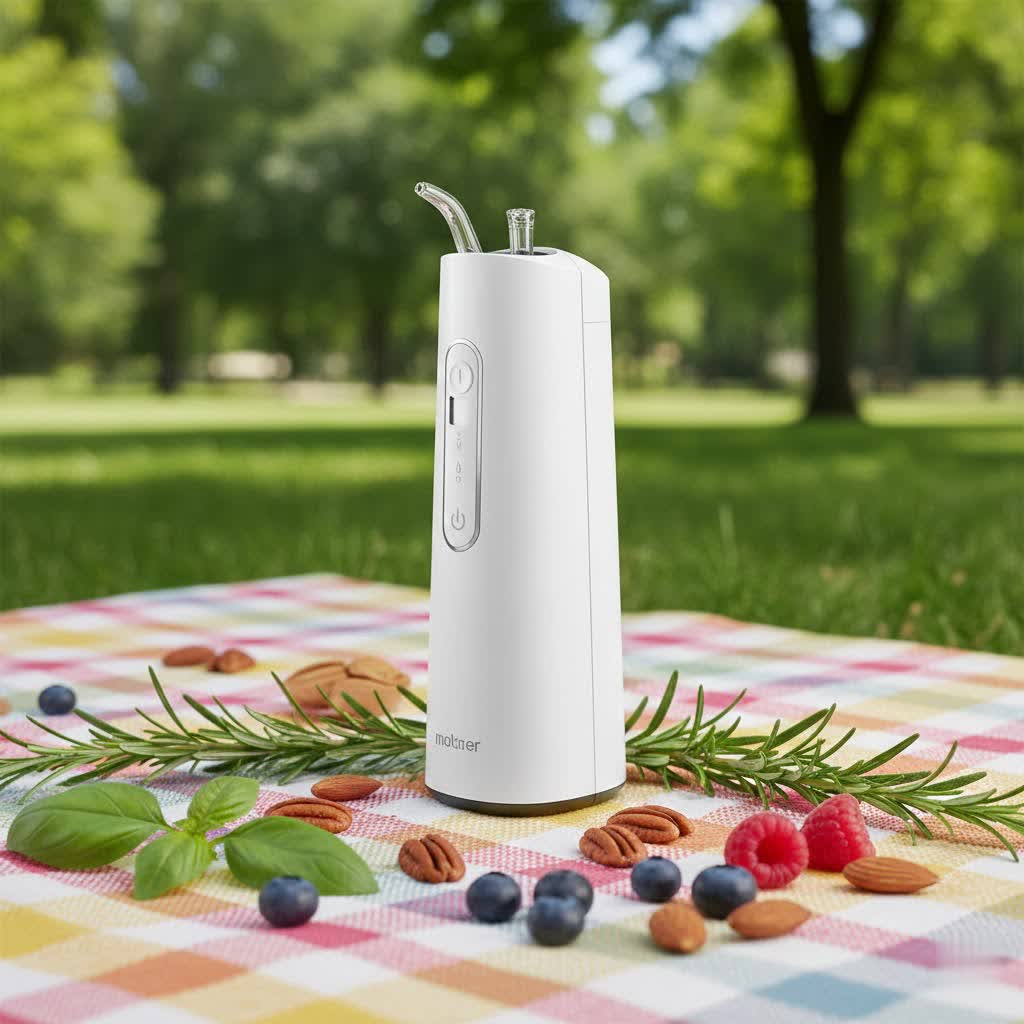
What is a Waterpik Water Flosser with Toothbrush?
A Waterpik water flosser with a toothbrush integrates an electric toothbrush with water flossing technology, offering a comprehensive approach to oral cleaning. These systems combine the mechanical action of sonic brushing with the pulsating power of a water jet. The electric toothbrush effectively cleans tooth surfaces, while the water flosser component directs a targeted stream of water to remove plaque, food particles, and bacteria from between teeth and below the gumline – areas often missed by traditional brushing alone. This dual-action mechanism provides a significantly deeper clean than manual methods, promoting healthier teeth and gums.
Types of Waterpik Water Flosser and Toothbrush Systems
Waterpik offers two primary types of systems that combine brushing and flossing, each designed to cater to different preferences and oral care needs. Understanding their distinctions is key to choosing the right one for you.
Integrated Flossing Toothbrushes (e.g., Waterpik Sonic-Fusion Series)
The Waterpik Sonic-Fusion series represents the pinnacle of integration, offering a truly all-in-one device. With these models, the electric toothbrush and water flosser are built into a single handle and brush head. This unique design allows users to brush and water floss simultaneously, or choose to use each function independently with the flick of a switch.
Pros:
- Ultimate Convenience: Combines brushing and flossing into a single, streamlined step.
- Space-Saving: Reduces countertop clutter with one compact device.
- Simultaneous Action: Allows for brushing and water flossing at the same time for efficiency.
Cons:
- Specialized Performance: While effective, the brushing or flossing performance might not always match that of two separate, top-tier dedicated devices.
- Battery Life: The integrated toothbrush component might have a shorter battery life compared to standalone electric toothbrushes, and often charges only on the main unit.
- Higher Initial Cost: These advanced systems typically come with a higher price tag.
|
Our Picks for the Best Water Flosser in 2026
As an Amazon Associate I earn from qualifying purchases.
|
||
| Num | Product | Action |
|---|---|---|
| 1 | Benhip Water Flosser with Electric Toothbrush – 3 Sonic Toothbrush Modes & 5 Water Flossing Pressure – Fast Charging & IPX7 Waterproof – Portable Travel Case Included |

|
| 2 | Water Flosser, Water Dental Flosser Pick for Teeth, 300ML IPX7 Waterproof Oral Irrigator, 3 Modes 4 Replaceable Jet Tips, Professional Flossing Cleaning Picks for Home Travel Gums, Braces Care (Black) |
|
| 3 | COSLUS Water Dental Flosser Teeth Pick: Portable Cordless Oral Irrigator 300ML Rechargeable Travel Irrigation Cleaner IPX7 Waterproof Electric Flossing Machine for Teeth Cleaning C20(F5020E) |
|
| 4 | OILSAO Electric Toothbrush with Water Flosser Combo, All in One Sonic Toothbrush with 3 Modes & 5 Flossing Speeds, Rechargeable & Portable for Adult Teeth Cleaning and Plaque Removal,Pearl White |
|
| 5 | COSLUS Portable Water Flosser for Teeth: 3 Modes & 6 Pressure Settings with Jet Mode Water Dental Pick for Orthodontic, Braces, Sensitive Gums, Compact for Travel, 300ML for Multiple Users, White C51 |
|
| 6 | Bitvae Water Dental Flosser for Teeth, Cordless Water Teeth Cleaner Picks, 3 Modes 5 Intensities, IPX7 Waterproof, Rechargeable Water Dental Picks for Cleaning - Black |
|
| 7 | Waterpik Aquarius Water Flosser For Teeth Cleaning, Gums, Braces, Dental Care, Electric Power With 10 Settings, 7 Tips For Multiple Users And Needs, ADA Accepted, White WP-660, Packaging May Vary |
|
| 8 | COSLUS Portable Water Flosser for Teeth: 4 Modes & 5 Intensity Levels Professional Electric Dental Pick for Sensitive Gums, Braces & Orthodontic - Cordless for Travel Use, for Adults, BPA-Free, Pink |
|
| 9 | Onlyone Rechargeable Cordless Water Flosser with Adjustable Water Pressure for Daily Oral Care, Power Dental Flosser for Home and Travel Use, Portable Oral Irrigator for Sensitive Gums and Braces Care |
|
| 10 | Waterpik Cordless Pulse Rechargeable Portable Water Flosser for Teeth, Gums, Braces Care and Travel with 2 Flossing Tips, Waterproof for Shower, ADA Accepted, WF-20 Blue, Packaging and Tips May Vary |
|
Complete Care Systems (e.g., Waterpik Complete Care Series)
The Waterpik Complete Care systems offer a different approach to combination oral care. Instead of a single integrated device, these units feature a separate electric sonic toothbrush and a water flosser, both housed on one compact base. This design aims to save counter space and simplify charging while still providing distinct tools for brushing and flossing.
Pros:
- Dedicated Performance: Both the electric toothbrush and the water flosser are designed to offer their specialized, high-performance functions independently.
- Custom Control: Users have full control over each tool, allowing for tailored brushing and flossing sessions.
- Space Efficiency: Although separate tools, the shared base is more compact than having two entirely distinct devices.
Cons:
- Less Integrated: Requires switching between two tools, albeit on the same base, which might be less “seamless” than the Sonic-Fusion.
- Counter Space: While compact for a combo, it still takes up more space than a single, integrated Sonic-Fusion unit.
Ultimately, the choice between an integrated flossing toothbrush and a Complete Care system depends on your personal preference for convenience versus specialized tool performance and the amount of counter space you have available.
Choosing Your Ideal Waterpik Water Flosser with Toothbrush (Buying Guide)
Selecting the right Waterpik system involves considering several factors to ensure it meets your specific oral care needs and lifestyle. Here’s what to look for:
- Water Pressure Settings: Look for models with adjustable pressure settings. This allows you to customize the intensity from gentle for sensitive gums to powerful for deep cleaning. Most Waterpik models offer a range of pressure options.
- Reservoir Capacity: Larger reservoirs mean fewer refills during your flossing session, which is convenient. Smaller, often removable reservoirs are great for portability and small bathrooms.
- Nozzle and Brush Head Variety: Different tips and brush heads serve different purposes. Classic jet tips are for general cleaning, while specialized tips exist for orthodontic braces, dental implants, periodontal pockets, and tongue cleaning. Ensure the system comes with the necessary attachments or that they are readily available.
- Operating Modes: Integrated systems like Sonic-Fusion offer “brush,” “floss,” and “brush and floss” modes. Complete Care systems provide separate modes for each device. Choose based on your preference for simultaneous action or individual control.
- Noise Level: Some water flossers can be noisy. Newer models, like the Sonic-Fusion 2.0, are often designed for quieter operation, which can significantly enhance the user experience, especially during early morning or late-night routines.
- Size, Weight, and Portability: If you have limited counter space or travel frequently, a more compact or cordless option might be preferable. Countertop units offer more features and reservoir capacity but are less portable.
- Price and Ongoing Costs: Waterpik systems can be a significant investment. Consider both the initial purchase price and the recurring cost of replacement brush heads and flosser tips, which should be changed every 3-6 months.
- Battery Life (for Cordless Components): For integrated or cordless toothbrush models, check the battery life. A longer battery life means less frequent charging, which is ideal for travel or busy schedules.
Top Waterpik Models to Consider
Among Waterpik’s offerings, the Sonic-Fusion 2.0 stands out for its all-in-one brushing and flossing convenience, allowing simultaneous action. For those preferring separate tools on a single base, the Waterpik Complete Care 5.0 and Sensonic Complete Care CC-04 are popular choices, combining a powerful water flosser with a high-performance sonic toothbrush for comprehensive care. Each system aims to deliver superior plaque removal and gum health.
How to Effectively Use Your Waterpik Water Flosser with Toothbrush
Mastering the use of your Waterpik system ensures you get the most out of its advanced cleaning capabilities.
- Preparation: Fill the reservoir with lukewarm water. If using a Complete Care system, attach your desired brush head to the electric toothbrush and your preferred tip to the water flosser handle. For a Sonic-Fusion, simply attach the flossing brush head.
- Positioning: Lean over the sink. Place the brush head or flosser tip in your mouth, starting with your back teeth.
- Power On: Turn on the device. For Sonic-Fusion, select your desired mode (brush, floss, or brush & floss).
- Technique:
- Brushing: Guide the electric toothbrush across all tooth surfaces, spending roughly 30 seconds per quadrant of your mouth.
- Flossing: Direct the water stream at a 90-degree angle to your gumline, tracing along it and pausing briefly between each tooth. Allow the water to flow into the sink.
- Simultaneous (Sonic-Fusion): While brushing, the water jet will simultaneously clean between teeth and below the gumline.
- Duration: Aim for a full two-minute brushing cycle and a one-minute flossing cycle. Many electric toothbrushes include timers and pacers to guide you.
- Rinse and Store: Empty any remaining water from the reservoir, rinse the brush head/tip, and allow the unit to air dry before storing it.
Tips for Optimal Results and Minimizing Mess:
- Close Lips Partially: Keep your lips slightly closed around the brush head or tip to prevent splashing, but allow water to flow into the sink.
- Start with Low Pressure: Begin with the lowest water pressure setting and gradually increase it as your gums become accustomed to the sensation.
- Follow a Routine: Develop a consistent pattern to ensure you clean all areas of your mouth thoroughly.
- Regular Maintenance: Clean the reservoir frequently and replace brush heads and flosser tips as recommended by Waterpik.
The Transformative Benefits for Your Oral Health
Integrating a Waterpik water flosser with a toothbrush into your daily routine offers profound benefits for your overall oral health:
- Superior Plaque and Debris Removal: The combination of sonic vibrations and pulsating water effectively dislodges and washes away up to 99.9% of plaque from treated areas, including hard-to-reach spots.
- Prevention of Cavities and Gum Disease: By consistently removing plaque and bacteria, these systems significantly reduce the risk of cavities, gingivitis, and more severe periodontal diseases.
- Enhanced Gum Health: The gentle yet powerful water pulsations massage and stimulate gums, improving circulation and significantly reducing gum bleeding and inflammation.
- Ideal for Specialized Needs: These devices are exceptionally beneficial for individuals with orthodontic braces, dental implants, crowns, bridges, or periodontal pockets, where traditional flossing can be challenging or ineffective. The specialized tips can navigate around dental work with ease.
- Fresher Breath and Overall Oral Freshness: Eliminating food particles and bacteria, particularly those lurking in interdental spaces and below the gumline, directly contributes to fresher breath and a cleaner-feeling mouth.
Important Considerations for Using a Waterpik System
While Waterpik water flosser with toothbrush systems offer numerous advantages, it’s crucial to understand a few key considerations for optimal oral health.
Firstly, a Waterpik system is not a substitute for regular brushing. While the integrated toothbrush component performs brushing, the water flossing aspect is a supplement to, not a replacement for, twice-daily brushing. Both mechanical brushing and interdental cleaning are vital for comprehensive oral hygiene.
Secondly, adjusting water pressure is essential for both comfort and effectiveness. Starting with a low setting is recommended, especially if you have sensitive gums or are new to water flossing. Gradually increasing the pressure allows your gums to adapt, preventing discomfort while still ensuring thorough cleaning.
Finally, always consult with your dentist or dental hygienist if you have specific oral health concerns, such as advanced gum disease, significant dental work, or persistent sensitivity. They can provide personalized advice on how to best incorporate a Waterpik system into your routine and recommend any specific tips or techniques.
Conclusion
The Waterpik water flosser with a toothbrush stands as a testament to the evolution of home oral care, offering an efficient and effective solution for a healthier smile. Whether you opt for the integrated convenience of the Sonic-Fusion or the dedicated power of a Complete Care system, you’re investing in a deeper clean, improved gum health, and superior plaque removal. By understanding the different types, key features, and proper usage, you can make an informed decision that truly transforms your oral hygiene. Isn’t it time to experience the comprehensive clean that a Waterpik system can provide?
Frequently Asked Questions
Is a Waterpik water flosser with a toothbrush worth it?
Many users find these combined systems highly valuable for their ability to deliver a thorough clean, remove plaque effectively, and significantly improve gum health, all while saving time and counter space compared to separate devices. The convenience and proven benefits make it a worthwhile investment for comprehensive oral care.
Can I use a Waterpik instead of brushing?
No, a Waterpik water flosser, even with an integrated toothbrush, is designed to supplement, not replace, regular brushing. While the toothbrush component cleans tooth surfaces, the water flosser focuses on areas between teeth and below the gumline. Both brushing and flossing are crucial for complete oral hygiene.
How often should I use a Waterpik water flosser with a toothbrush?
For optimal oral health, it is generally recommended to use your Waterpik water flosser with a toothbrush at least once a day, preferably after brushing. Some dental professionals may recommend using it twice daily, depending on your individual oral health needs.
Are Waterpik systems good for sensitive gums?
Yes, many Waterpik systems are suitable for sensitive gums. They often feature adjustable pressure settings, allowing you to start with a gentle stream and gradually increase it as your gums adapt. The pulsating water is generally less abrasive than traditional string floss, making it a comfortable option for many.
How do I clean my Waterpik device?
To clean your Waterpik system, regularly empty and rinse the water reservoir. You can also clean the reservoir with warm, soapy water. For a deeper clean, occasionally run a solution of vinegar and water through the unit to remove mineral deposits and bacteria. Remember to rinse the brush heads and flosser tips after each use and replace them as recommended by the manufacturer.
