Do you ever wonder if you’re truly getting a deep clean for your teeth and gums? The secret to a dazzling smile and healthier gums might just be a powerful, yet gentle, stream of water. Water flossers have revolutionized oral care, offering an effective and often more comfortable alternative or addition to traditional string flossing. Whether you’re struggling with braces, sensitive gums, or simply seeking a superior clean, understanding the world of water flossers can transform your daily routine. This comprehensive guide will explore what water flossers are, their various types, how to choose the perfect one, best practices for use, and the profound benefits they offer for your dental health.
What is a Water Flosser?
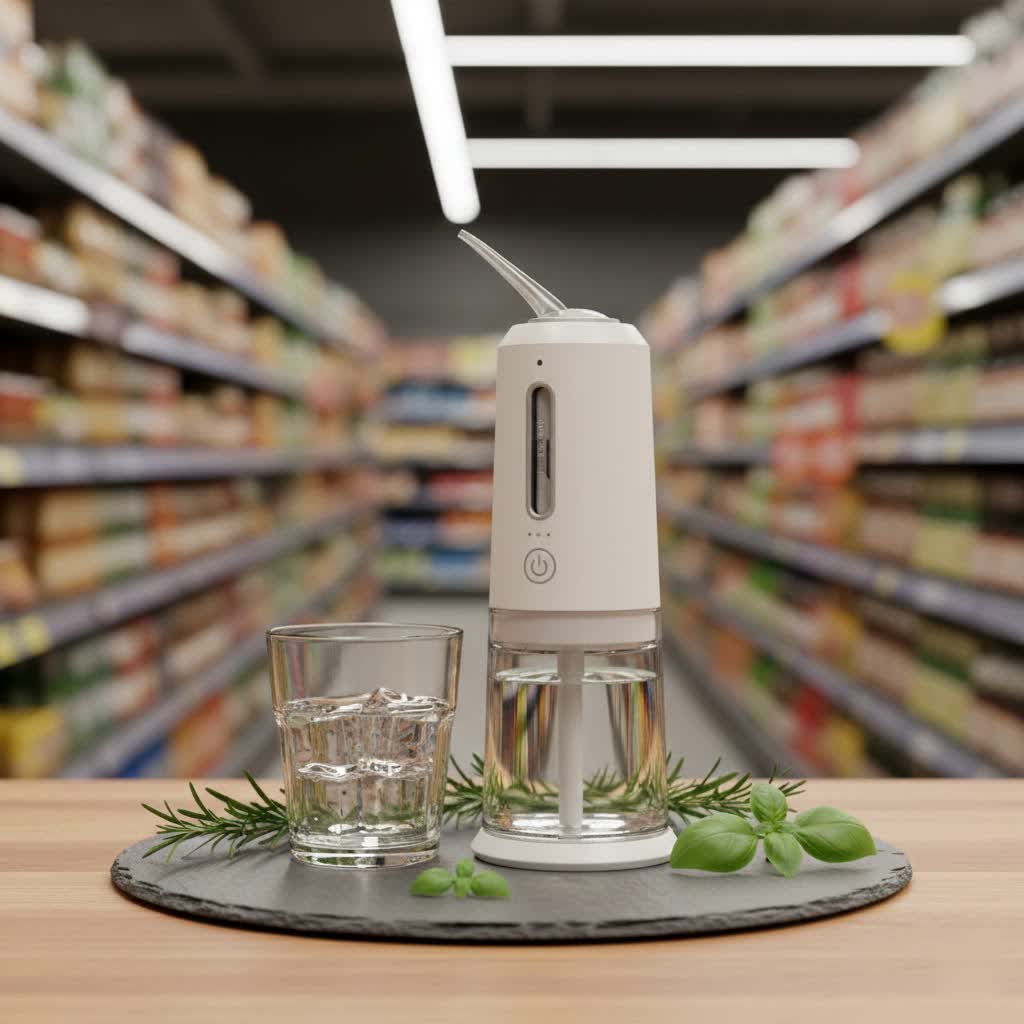
A water flosser, also known as an oral irrigator or dental water jet, is a device that directs a pulsating stream of water to clean between teeth and along the gum line. Unlike traditional string floss that physically scrapes away plaque, a water flosser uses pressurized water to flush out food particles, plaque, and bacteria from hard-to-reach areas in your mouth. This innovative method provides a thorough cleaning, making it an excellent tool for enhancing overall oral hygiene. The pulsating action of the water helps dislodge debris without the abrasive contact that can sometimes irritate gums, making it a gentler option for many users.
The principle behind a water flosser is simple: water under pressure reaches areas where a toothbrush and string floss might struggle. This includes tight spaces between teeth, below the gumline, and around dental work like braces, bridges, and implants. Its ability to clean effectively while being gentle on the gums makes it a popular choice for those seeking to prevent gum disease, reduce inflammation, and maintain fresh breath.
Common Types of Water Flossers
Water flossers come in several designs, each with unique features catering to different needs and lifestyles. Understanding the distinctions can help you determine which type is the best fit for your oral care routine.
Countertop Water Flossers
Countertop models are typically larger and designed for use at a bathroom sink. They feature a substantial water reservoir, meaning fewer refills during a single flossing session, and often provide a wider range of pressure settings and specialized tips.
- Pros:
- Larger water reservoir for extended use.
- More powerful and consistent water pressure.
- Wider variety of pressure settings and specialized nozzle attachments.
- Generally more durable and built for long-term home use.
- Cons:
- Requires dedicated counter space.
- Less portable due to size and power cord.
- Can be noisier than cordless models.
|
Our Picks for the Best Water Flosser in 2026
As an Amazon Associate I earn from qualifying purchases.
|
||
| Num | Product | Action |
|---|---|---|
| 1 | Onlyone Rechargeable Cordless Water Flosser with Adjustable Water Pressure for Daily Oral Care, Power Dental Flosser for Home and Travel Use, Portable Oral Irrigator for Sensitive Gums and Braces Care |

|
| 2 | COSLUS Portable Water Flosser for Teeth: 4 Modes & 5 Intensity Levels Professional Electric Dental Pick for Sensitive Gums, Braces & Orthodontic - Cordless for Travel Use, for Adults, BPA-Free, Pink |
|
| 3 | COSLUS Portable Water Flosser for Teeth: 3 Modes & 6 Pressure Settings with Jet Mode Water Dental Pick for Orthodontic, Braces, Sensitive Gums, Compact for Travel, 300ML for Multiple Users, White C51 |
|
| 4 | Waterpik Aquarius Water Flosser For Teeth Cleaning, Gums, Braces, Dental Care, Electric Power With 10 Settings, 7 Tips For Multiple Users And Needs, ADA Accepted, White WP-660, Packaging May Vary |
|
| 5 | Benhip Water Flosser with Electric Toothbrush – 3 Sonic Toothbrush Modes & 5 Water Flossing Pressure – Fast Charging & IPX7 Waterproof – Portable Travel Case Included |
|
| 6 | OILSAO Electric Toothbrush with Water Flosser Combo, All in One Sonic Toothbrush with 3 Modes & 5 Flossing Speeds, Rechargeable & Portable for Adult Teeth Cleaning and Plaque Removal,Pearl White |
|
| 7 | Waterpik Cordless Pulse Rechargeable Portable Water Flosser for Teeth, Gums, Braces Care and Travel with 2 Flossing Tips, Waterproof for Shower, ADA Accepted, WF-20 Blue, Packaging and Tips May Vary |
|
| 8 | Water Flosser, Water Dental Flosser Pick for Teeth, 300ML IPX7 Waterproof Oral Irrigator, 3 Modes 4 Replaceable Jet Tips, Professional Flossing Cleaning Picks for Home Travel Gums, Braces Care (Black) |
|
| 9 | COSLUS Water Dental Flosser Teeth Pick: Portable Cordless Oral Irrigator 300ML Rechargeable Travel Irrigation Cleaner IPX7 Waterproof Electric Flossing Machine for Teeth Cleaning C20(F5020E) |
|
| 10 | Bitvae Water Dental Flosser for Teeth, Cordless Water Teeth Cleaner Picks, 3 Modes 5 Intensities, IPX7 Waterproof, Rechargeable Water Dental Picks for Cleaning - Black |
|
Cordless/Rechargeable Water Flossers
Cordless water flossers are compact, battery-operated devices ideal for travel or smaller bathrooms with limited counter space. They offer greater flexibility and ease of handling.
- Pros:
- Highly portable and convenient for travel.
- Cordless design allows for use in the shower.
- Space-saving for smaller bathrooms.
- Rechargeable batteries offer flexibility.
- Cons:
- Smaller water reservoir requires more frequent refilling.
- May have fewer pressure settings compared to countertop models.
- Battery life needs to be managed through regular charging.
Which Type is Right for You?
Choosing between a countertop and a cordless water flosser depends primarily on your usage habits and priorities. If you prefer a powerful, consistent clean with many customization options and primarily use it at home, a countertop model might be best. If portability, space-saving, and ease of use on the go are more important, a cordless model would be a suitable choice. Many individuals even opt for both: a countertop unit for daily home use and a cordless version for travel.
How to Choose the Best Water Flosser (Buying Guide)
Selecting the ideal water flosser can feel overwhelming with the array of options available. Consider these crucial factors to make an informed decision:
- Water Pressure: Adjustable water pressure settings are vital. Beginners or those with sensitive gums should start with lower pressure and gradually increase it. Look for models offering multiple settings to customize your experience for optimal comfort and cleaning power.
- Reservoir Capacity: This determines how often you’ll need to refill the tank during a single flossing session. Countertop models typically have larger reservoirs (e.g., 20 ounces or more for 90+ seconds of flossing), while cordless versions are smaller (e.g., 5-10 ounces for 30-60 seconds). A larger capacity ensures a complete clean without interruption.
- Nozzle Types: Water flossers often come with various tips designed for specific needs.
- Classic Jet Tip: For general cleaning.
- Orthodontic Tip: Designed for cleaning around braces and orthodontic appliances.
- Pik Pocket™ Tip: For gentle delivery of therapeutic rinses into periodontal pockets.
- Plaque Seeker™ Tip: For implants, crowns, bridges, and veneers.
- Tongue Cleaner: To remove bacteria from the tongue.
Ensure the model you choose includes tips relevant to your dental needs.
- Modes: Beyond standard cleaning, some water flossers offer different modes such as “massage” for gum stimulation or “pulse” for targeted cleaning. These can enhance your oral hygiene routine.
- Noise Level: Some water flossers can be quite noisy. If you are sensitive to sound, especially during early morning or late-night use, look for models specifically advertised as quiet.
- Size and Weight: For countertop models, consider the available space in your bathroom. For cordless units, portability is key, so a lightweight and ergonomic design is preferable, especially for travel.
- Price: Water flossers range from budget-friendly options to high-end models with advanced features. Determine your budget and look for the best value within that range, balancing features with cost.
- Reputable Brands: Brands like Waterpik, Philips Sonicare, Aquasonic, Quip, Bitvae, and MySmile are well-regarded in the market. Waterpik is often considered the industry standard and has many ADA-accepted products. Choosing a brand with a strong reputation for quality and customer support can provide peace of mind.
Comparing Popular Water Flosser Brands
While a detailed comparison table of specific models requires constant updates, understanding the general strengths of leading brands can guide your choice.
- Waterpik: Often synonymous with “water flosser,” Waterpik offers a vast range of countertop and cordless models. They are known for their effective plaque removal and gum health benefits, often featuring multiple pressure settings and specialized tips. Many Waterpik models are clinically proven and accepted by the American Dental Association (ADA). The Waterpik Aquarius is a popular countertop choice for its versatility, while their Cordless Advanced series offers excellent portability.
- Philips Sonicare: Known for innovative oral care, Philips Sonicare water flossers, like their Power Flosser series, often feature unique X-shaped tips designed for broader coverage and a gentler feel. They are frequently praised for their quiet operation and sleek designs, offering a premium user experience.
- Quip: Quip provides a minimalist and aesthetically pleasing cordless water flosser, focusing on ease of use and portability. It’s a solid option for those who prioritize design and a straightforward flossing experience, often with two pressure settings.
- Aquasonic, Bitvae, MySmile: These brands offer competitive options, often providing good value for money, especially in the cordless category. They typically focus on essential features like multiple pressure modes, various tips, and long battery life, making them excellent choices for budget-conscious users or those new to water flossing.
How to Use Your Water Flosser Effectively
To maximize the benefits of your water flosser, proper technique is essential. Follow these steps for an optimal clean:
- Prepare Your Flosser: Fill the reservoir with lukewarm water. If recommended by your dentist, you can add a mouthwash solution. Select the appropriate tip for your needs and attach it securely.
- Position Yourself: Lean over a sink to prevent splashing. Place the tip of the water flosser in your mouth, aiming it at your gumline. Close your lips enough to prevent splashing, but allow water to flow into the sink.
- Start Flossing: Turn on the device, starting with the lowest pressure setting. Direct the water stream at a 90-degree angle to your gumline.
- Target Each Tooth: Guide the tip along your gumline, pausing briefly between each tooth to allow the water to clean the interdental space. Work your way around your entire mouth, both on the front and back of your teeth.
- Clean All Surfaces: Ensure you target all tooth surfaces: the front, back, and chewing surfaces. For braces or dental work, pay extra attention to cleaning around brackets and wires.
- Rinse and Store: Once finished, turn off the device, empty any remaining water from the reservoir, and rinse the reservoir and tip. Allow them to air dry before storing to prevent bacterial growth.
Tips for Best Results:
- Start Low, Go Slow: Always begin with the lowest pressure setting and gradually increase it as your gums become accustomed to the sensation.
- Use Daily: Consistency is key. Aim to use your water flosser at least once a day, preferably after brushing.
- Follow a Pattern: Develop a routine (e.g., upper right to upper left, then lower right to lower left) to ensure you don’t miss any areas.
- Replace Tips Regularly: Just like toothbrush heads, water flosser tips should be replaced every 3-6 months, or sooner if they show signs of wear.
Benefits of Water Flossers for Oral Health
Incorporating a water flosser into your daily routine offers numerous advantages for maintaining a healthy mouth.
- Superior Plaque and Bacteria Removal: Water flossers are highly effective at dislodging plaque and food particles. Studies indicate that water flossing can remove up to 29% more plaque than traditional string flossing, leading to a cleaner mouth and reduced risk of cavities. This deep cleaning action helps eliminate the sticky film that harbors harmful bacteria.
- Significant Reduction in Gingivitis and Gum Inflammation: The pulsating water stream effectively cleans below the gumline, an area often missed by traditional brushing and flossing. A study published in the Journal of Periodontology found that water flossing was more effective at reducing gingival bleeding and inflammation, with users experiencing a 51% reduction in gingivitis compared to a 30% reduction with traditional floss.
- Improved Gum Health: By consistently removing bacteria and reducing inflammation, water flossers contribute to healthier gums, preventing issues like bleeding gums and the progression of gum disease.
- Ideal for Hard-to-Reach Areas: For individuals with braces, dental implants, crowns, bridges, or crowded teeth, traditional flossing can be a challenge. Water flossers effortlessly navigate around these obstacles, providing a thorough clean without snagging or difficulty.
- Enhanced User Comfort and Compliance: Many find water flossing more comfortable and less cumbersome than string flossing, especially those with sensitive gums or dexterity issues. This ease of use often leads to higher compliance rates, meaning people are more likely to floss regularly.
- Fresher Breath: By eliminating food debris and bacteria, water flossers directly combat the causes of bad breath, leaving your mouth feeling significantly fresher.
Important Considerations When Using a Water Flosser
While water flossers are a powerful tool for oral hygiene, it’s crucial to use them correctly and understand their role.
- Not a Replacement for Brushing: A water flosser is designed to clean between teeth and along the gumline. It does not replace the thorough cleaning of a toothbrush, which removes plaque from the surfaces of your teeth. Always brush your teeth twice a day for two minutes with a fluoride toothpaste.
- Adjust Water Pressure: Always start with the lowest pressure setting, especially if you have sensitive gums or are new to water flossing. Gradually increase the pressure as you become more comfortable to avoid gum irritation.
- Consult Your Dentist: If you have specific dental conditions, such as advanced gum disease or recent oral surgery, consult your dentist before incorporating a water flosser into your routine. They can provide personalized advice on the best technique and settings for your unique needs.
- Regular Dental Check-ups: Water flossers are an excellent adjunct to your oral care, but they are not a substitute for regular professional dental check-ups and cleanings. Continue to visit your dentist biannually for comprehensive care.
Conclusion
Embracing a water flosser can significantly elevate your oral hygiene, offering a gentle yet powerful solution for a truly clean mouth. From effectively removing plaque and reducing gingivitis to making daily flossing more accessible for those with dental work or dexterity challenges, its benefits are clear. While it complements rather than replaces brushing, a water flosser is an invaluable tool in your quest for optimal dental health.
Ready to experience the refreshing difference a water flosser can make? Explore the options, consider your needs, and take a step towards a healthier, brighter smile. Will a water flosser be the game-changer your oral care routine needs?
Frequently Asked Questions
Is a water flosser better than string floss?
Studies suggest that water flossers can be more effective at removing plaque and reducing gingivitis, especially in hard-to-reach areas and for individuals with braces or implants. However, many dental professionals recommend using both string floss and a water flosser for the most comprehensive clean, as they tackle debris in slightly different ways.
Can a water flosser replace brushing?
No, a water flosser cannot replace brushing. Water flossers are designed to clean between teeth and along the gumline, removing debris and plaque that brushing might miss. Brushing remains essential for cleaning the main surfaces of your teeth and removing plaque biofilm.
How often should I use a water flosser?
For optimal oral hygiene, it is recommended to use a water flosser at least once a day, ideally after brushing your teeth. Consistent daily use will provide the best results in terms of plaque removal and gum health.
Is a water flosser good for braces?
Yes, water flossers are exceptionally good for braces. They can effectively clean around brackets and wires, flushing out food particles and plaque that are very difficult to remove with traditional string floss, thereby preventing cavities and gum inflammation during orthodontic treatment.
