Are you seeking a revolutionary way to elevate your daily dental routine beyond just brushing and traditional string floss? Many struggle with reaching every nook and cranny, leaving behind plaque and food debris that can lead to serious oral health issues. A water flosser, often casually referred to by some as a “water flosser pick,” might be the perfect solution you’ve been searching for, offering a powerful yet gentle approach to cleaning between teeth and below the gumline. This comprehensive guide will delve into everything you need to know about water flossers, from understanding their mechanics and benefits to choosing the right model and mastering its use, ensuring you can make an informed decision for a healthier, brighter smile.
What is a Water Flosser?
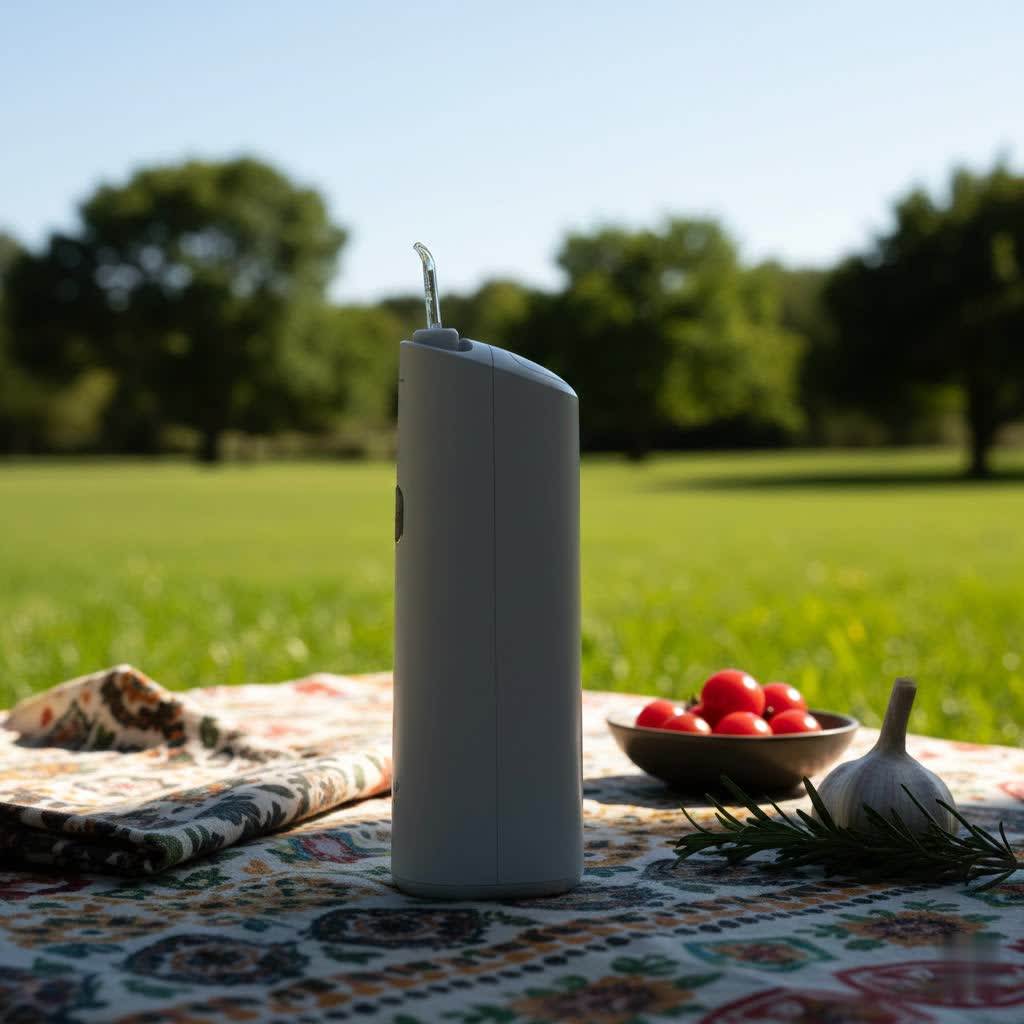
A water flosser, also known as a dental water jet or oral irrigator, is a handheld device designed to spray a stream of pulsating water between your teeth and along the gumline. Unlike traditional string floss that physically scrapes surfaces, a water flosser utilizes water pressure to dislodge food particles, plaque, and bacteria from hard-to-reach areas in your mouth. This method is particularly effective because the water stream can penetrate deeper into gum pockets and navigate around dental work, offering a thorough clean that brushing alone often misses.
The principle behind a water flosser is simple yet effective: a motor inside the device powers a pump that draws water from a reservoir and propels it through a thin nozzle (often called a “tip” or “pick” due to its pointed nature). This pressurized stream then cleans the mouth. The consistent, targeted rinse helps to wash away debris and significantly reduce the buildup of plaque, which is a primary cause of cavities and gum disease.
Types of Water Flossers
Water flossers come in various designs, each offering distinct advantages depending on your lifestyle and oral care needs. Understanding the differences between these types is crucial for selecting the most suitable device.
Countertop Water Flosser
Countertop water flossers are the most common and typically the most powerful type. They feature a larger water reservoir, which means longer flossing sessions without needing refills, and offer a wide range of pressure settings.
- Pros:
- High Power and Pressure Settings: Offers superior cleaning with adjustable intensity.
- Larger Reservoir: Reduces the need for frequent refills during use.
- Multiple Tip Options: Often includes a variety of specialized nozzles for different needs.
- Durable: Generally built for long-term use in one location.
- Cons:
- Less Portable: Designed for home use and can be bulky.
- Requires Outlet Access: Needs to be plugged into a power source.
- Counter Space: Can take up significant space on your bathroom counter.
|
Our Picks for the Best Water Flosser in 2026
As an Amazon Associate I earn from qualifying purchases.
|
||
| Num | Product | Action |
|---|---|---|
| 1 | Water Flosser, Water Dental Flosser Pick for Teeth, 300ML IPX7 Waterproof Oral Irrigator, 3 Modes 4 Replaceable Jet Tips, Professional Flossing Cleaning Picks for Home Travel Gums, Braces Care (Black) |

|
| 2 | Benhip Water Flosser with Electric Toothbrush – 3 Sonic Toothbrush Modes & 5 Water Flossing Pressure – Fast Charging & IPX7 Waterproof – Portable Travel Case Included |
|
| 3 | Waterpik Aquarius Water Flosser For Teeth Cleaning, Gums, Braces, Dental Care, Electric Power With 10 Settings, 7 Tips For Multiple Users And Needs, ADA Accepted, White WP-660, Packaging May Vary |
|
| 4 | COSLUS Portable Water Flosser for Teeth: 3 Modes & 6 Pressure Settings with Jet Mode Water Dental Pick for Orthodontic, Braces, Sensitive Gums, Compact for Travel, 300ML for Multiple Users, White C51 |
|
| 5 | COSLUS Portable Water Flosser for Teeth: 4 Modes & 5 Intensity Levels Professional Electric Dental Pick for Sensitive Gums, Braces & Orthodontic - Cordless for Travel Use, for Adults, BPA-Free, Pink |
|
| 6 | OILSAO Electric Toothbrush with Water Flosser Combo, All in One Sonic Toothbrush with 3 Modes & 5 Flossing Speeds, Rechargeable & Portable for Adult Teeth Cleaning and Plaque Removal,Pearl White |
|
| 7 | Waterpik Cordless Pulse Rechargeable Portable Water Flosser for Teeth, Gums, Braces Care and Travel with 2 Flossing Tips, Waterproof for Shower, ADA Accepted, WF-20 Blue, Packaging and Tips May Vary |
|
| 8 | Onlyone Rechargeable Cordless Water Flosser with Adjustable Water Pressure for Daily Oral Care, Power Dental Flosser for Home and Travel Use, Portable Oral Irrigator for Sensitive Gums and Braces Care |
|
| 9 | COSLUS Water Dental Flosser Teeth Pick: Portable Cordless Oral Irrigator 300ML Rechargeable Travel Irrigation Cleaner IPX7 Waterproof Electric Flossing Machine for Teeth Cleaning C20(F5020E) |
|
| 10 | Bitvae Water Dental Flosser for Teeth, Cordless Water Teeth Cleaner Picks, 3 Modes 5 Intensities, IPX7 Waterproof, Rechargeable Water Dental Picks for Cleaning - Black |
|
Countertop models are ideal for families, individuals who prefer a consistent power source, or those with extensive dental work requiring specialized tips and higher pressure.
Cordless/Rechargeable Water Flosser
Cordless water flossers, also known as portable or rechargeable models, are designed for convenience and travel. They are smaller, battery-operated, and often have a more compact design.
- Pros:
- Portability: Excellent for travel or use in smaller bathrooms.
- Cord-Free Operation: Offers flexibility in where and how you use it.
- Compact Size: Easy to store.
- Cons:
- Smaller Reservoir: Requires more frequent refills during a flossing session.
- Less Power/Fewer Settings: May have fewer pressure options compared to countertop models.
- Battery Life: Needs regular recharging.
Cordless water flossers are best for individuals who travel frequently, have limited bathroom space, or prefer the freedom of a portable device.
How to Choose a Water Flosser (Buying Guide)
Selecting the right water flosser involves considering several key factors to ensure it meets your specific oral hygiene requirements and preferences.
Factors to Consider:
- Water Pressure: Look for models with adjustable pressure settings. Beginners or those with sensitive gums might start with lower pressure, while experienced users or those with braces might prefer higher settings for a deeper clean. A good range allows for customization.
- Reservoir Capacity: A larger reservoir means less refilling during a single use. Countertop models typically have larger capacities, offering 60-90 seconds of continuous flossing, while cordless models might provide 30-45 seconds. Consider your typical flossing duration.
- Nozzle Types (Tips): Different tips are designed for specific needs.
- Standard Jet Tip: For general cleaning.
- Pik Pocket Tip: For deep cleaning gum pockets.
- Orthodontic Tip: Designed for cleaning around braces.
- Plaque Seeker Tip: Targets stubborn plaque around implants, crowns, and bridges.
- Tongue Cleaner: For fresh breath.
Ensure the model you choose comes with the tips relevant to your oral health needs, or that additional tips are readily available for purchase.
- Modes: Beyond standard flossing, some water flossers offer massage modes for gum stimulation or specific cleaning cycles. These extra modes can enhance the overall oral health benefits.
- Noise Level: Some water flossers can be noisy. If you are sensitive to sound or use the device early in the morning or late at night, look for models advertised as quiet.
- Size and Weight: This is especially important for cordless and travel models. Consider how much counter space you have and if you plan to take it on the go.
- Price: Water flossers range widely in price. Determine your budget and look for models that offer the best balance of features, performance, and durability within that range. Investing in a good quality device can lead to better long-term oral health.
Reputable Brands
When it comes to water flossers, several brands consistently receive high ratings for their performance, reliability, and innovation.
- Waterpik: Often considered the industry standard, Waterpik offers a wide range of countertop and cordless models, known for their effectiveness and variety of specialized tips. Many dental professionals recommend Waterpik.
- Philips Sonicare: Known for its electric toothbrushes, Philips Sonicare also offers high-quality power flossers that integrate well into a comprehensive oral care routine.
- Bitvae: A brand gaining popularity for offering good value for money, often with a balance of features and affordability.
- Other notable brands: Oral-B, H2Ofloss, and Aquasonic also produce reputable water flossers.
Comparing the Best Water Flosser Models
Choosing the “best” water flosser depends heavily on individual needs, but a comparison of common features across top-rated types can guide your decision. Here’s a general overview:
| Feature | Countertop Water Flosser (e.g., Waterpik Aquarius) | Cordless Water Flosser (e.g., Waterpik Cordless Advanced) | Hybrid Flosser (e.g., Sonic-Fusion) |
|---|---|---|---|
| Reservoir Capacity | Large (60-90+ seconds) | Small (30-45 seconds) | Integrated (varies by model) |
| Pressure Settings | 10+ settings, highly adjustable | 2-3 settings, moderate adjustability | Varies, often integrated with brush |
| Nozzle Types | Extensive range (7+ tips) | Fewer options (2-4 tips) | Fewer, often specific to model |
| Portability | Low (stationary) | High (travel-friendly) | Moderate |
| Power Source | AC Outlet | Rechargeable Battery | AC Outlet/Rechargeable |
| Noise Level | Moderate to high | Low to moderate | Low to moderate |
| Ideal User | Families, extensive dental work, home-based use | Travelers, small bathrooms, new users | Users seeking all-in-one solution |
| Price Range | Mid to High | Low to Mid | High |
- Waterpik Aquarius: Often praised for its strong performance, multiple pressure settings, and variety of tips. It strikes a good balance between capacity, size, and price for a countertop unit.
- Waterpik Cordless Advanced: A popular choice for portability, offering strong performance for a cordless model, often with a good battery life.
- Philips Sonicare Power Flosser: Known for its sleek design and effective cleaning, often providing a good alternative with strong pulse action.
How to Use a Water Flosser Correctly
Using a water flosser effectively is key to maximizing its benefits. Follow these steps for optimal results:
- Preparation:
- Fill the water reservoir with lukewarm water. You can also add a small amount of dentist-recommended mouthwash if desired.
- Select the appropriate tip (nozzle) and securely attach it to the handle.
- Plug in the device if it’s a countertop model, or ensure your cordless model is charged.
- Positioning:
- Lean over the sink to prevent splashes and allow the water to drain.
- Place the tip in your mouth, aiming it at your gumline. For the most effective cleaning, position the tip at a 90-degree angle to your teeth.
- Close your lips enough to prevent splashing, but allow water to flow into the sink.
- Usage:
- Turn on the water flosser, starting with the lowest pressure setting, especially if you’re new to water flossing or have sensitive gums. Gradually increase the pressure as you become comfortable.
- Begin with your back teeth and work your way around your mouth, focusing on the top of your teeth, the gumline, and the spaces between each tooth. Remember to clean the back surfaces of your teeth as well.
- Briefly pause the water stream between teeth or when moving to a new section to avoid making a mess.
- Ensure you spend about 2 minutes to thoroughly clean all areas of your mouth.
- Mouth Rinse and Emptying:
- Once finished, turn off the device.
- Empty any remaining water from the reservoir to prevent bacterial growth and ensure proper hygiene.
- Rinse your mouth with water or mouthwash.
Tips for Best Results:
- Brush First: While you can water floss before or after brushing, some studies suggest flossing before brushing can remove more plaque. Experiment to see what works best for you.
- Warm Water: Using lukewarm water makes the experience more comfortable.
- Take Your Time: Don’t rush. Methodically clean each tooth surface and gumline.
- Target the Gumline: The most crucial area to clean with a water flosser is along the gumline and in the spaces between your teeth.
- Adjust Pressure: Always start low and increase pressure slowly to find what’s comfortable and effective for you.
Cleaning and Maintenance:
- Rinse After Each Use: After each use, flush the reservoir with clean water.
- Clean the Tips: Remove the tip and rinse it under running water. Replace tips every 3-6 months, or sooner if they become worn.
- Deep Clean Weekly/Monthly: Periodically clean the reservoir and internal components with a mixture of water and white vinegar to prevent mineral buildup and bacteria.
Benefits of Water Flossers for Oral Health
The integration of a water flosser into your daily routine offers a multitude of advantages for maintaining excellent oral health beyond what traditional brushing and flossing can achieve alone.
Eliminates Plaque and Bacteria
Water flossers are highly effective at dislodging and rinsing away plaque and food debris from your teeth and especially from below the gumline. Clinical evidence shows they can remove up to 99.9% of plaque from treated areas, significantly more than string floss in certain situations. This reduction in plaque helps to prevent its hardening into tartar, a key factor in gum disease.
Prevents Cavities and Gingivitis
By consistently removing plaque and food particles, water flossers play a crucial role in preventing tooth decay (cavities) and gingivitis, the early stage of gum disease. The powerful water stream cleans areas that toothbrushes often miss, reducing the acidic environment that leads to enamel erosion and bacterial overgrowth.
Improves Gum Health
Water flossers are known for their ability to significantly improve gum health. The gentle yet effective hydro-pulse massage mode available on many devices stimulates gum tissue, promoting better circulation and reducing inflammation and bleeding. For individuals with periodontal disease, water flossers can be an excellent adjunct to professional care, helping to clean deep gum pockets.
Cleans Hard-to-Reach Areas
One of the most significant benefits of a water flosser is its ability to access and clean areas that are difficult or impossible for traditional string floss or toothbrushes to reach. This includes:
- Between crowded teeth: Where string floss can struggle.
- Around dental work: Such as crowns, bridges, and veneers.
- Under the gumline: Where bacteria often accumulate.
Ideal for Specific Conditions
Water flossers are particularly beneficial for individuals with specific dental needs:
- Braces: The orthodontic tip is designed to effectively clean around wires and brackets, making it much easier to remove trapped food and plaque than with string floss.
- Dental Implants: Specialized tips can gently clean around implants without damaging them, helping to prevent peri-implantitis.
- Periodontal Disease: The Pik Pocket Tip allows for a targeted delivery of water or antimicrobial rinses into deep gum pockets, aiding in the management of gum disease.
- Sensitive Gums: The ability to adjust water pressure means individuals with sensitive gums can still achieve a thorough clean without discomfort.
> “Water flossers provide a unique cleaning action that complements brushing, particularly benefiting those with dental appliances or gum sensitivity by reaching areas traditional methods often miss.” – Dr. Emily R. Chen, Lead Dentist, Bright Smiles Dental Clinic
Important Considerations When Using a Water Flosser
While water flossers offer numerous benefits, it’s essential to understand their role within a complete oral hygiene routine and how to use them safely and effectively.
Not a Substitute for Brushing
A water flosser is a supplementary tool, not a replacement for regular toothbrushing. You still need to brush your teeth twice a day with a fluoride toothpaste for at least two minutes to remove surface plaque and food debris. The water flosser works in conjunction with brushing to achieve a comprehensive clean, targeting areas brushing cannot fully address.
Adjust Water Pressure Appropriately
Always start with the lowest pressure setting and gradually increase it until you find a comfortable and effective level. High pressure can be too intense for sensitive gums or can cause discomfort. If you experience pain or bleeding, reduce the pressure. Consistency at a comfortable pressure is more beneficial than intermittent use at an overly high setting.
Consult Your Dentist
If you have any existing dental conditions, such as severe gum disease, recent oral surgery, or extensive dental work, it’s always wise to consult your dentist or periodontist before incorporating a water flosser into your routine. They can provide personalized advice on the best type of water flosser, appropriate tips, and ideal pressure settings for your specific needs, ensuring you use the device safely and effectively.
Conclusion
Embracing a water flosser, or “water flosser pick,” as a regular part of your oral care regimen can be a game-changer for your dental health. By delivering a powerful yet gentle stream of water, these devices excel at removing plaque, food debris, and bacteria from areas traditional methods often overlook. Whether you choose a robust countertop model for comprehensive home care or a portable cordless unit for on-the-go convenience, the benefits of cleaner teeth, healthier gums, and fresher breath are undeniable. Remember, a water flosser is a fantastic addition to, not a replacement for, daily brushing, and proper technique ensures the best results.
Are you ready to experience the next level of oral cleanliness and truly transform your smile?
