Dealing with sensitive gums can make daily oral hygiene a challenging and often painful experience, especially when traditional string flossing causes discomfort or bleeding. If you’ve ever avoided flossing because of tenderness, you’re not alone. Fortunately, water flossers offer a gentle yet highly effective alternative, transforming how we care for delicate gum lines. This comprehensive guide will delve into the world of water flossers, specifically focusing on how they can provide soothing relief and superior cleaning for those with sensitive gums, helping you achieve a healthier, more comfortable smile.
What is a Water Flosser and How Does It Work?
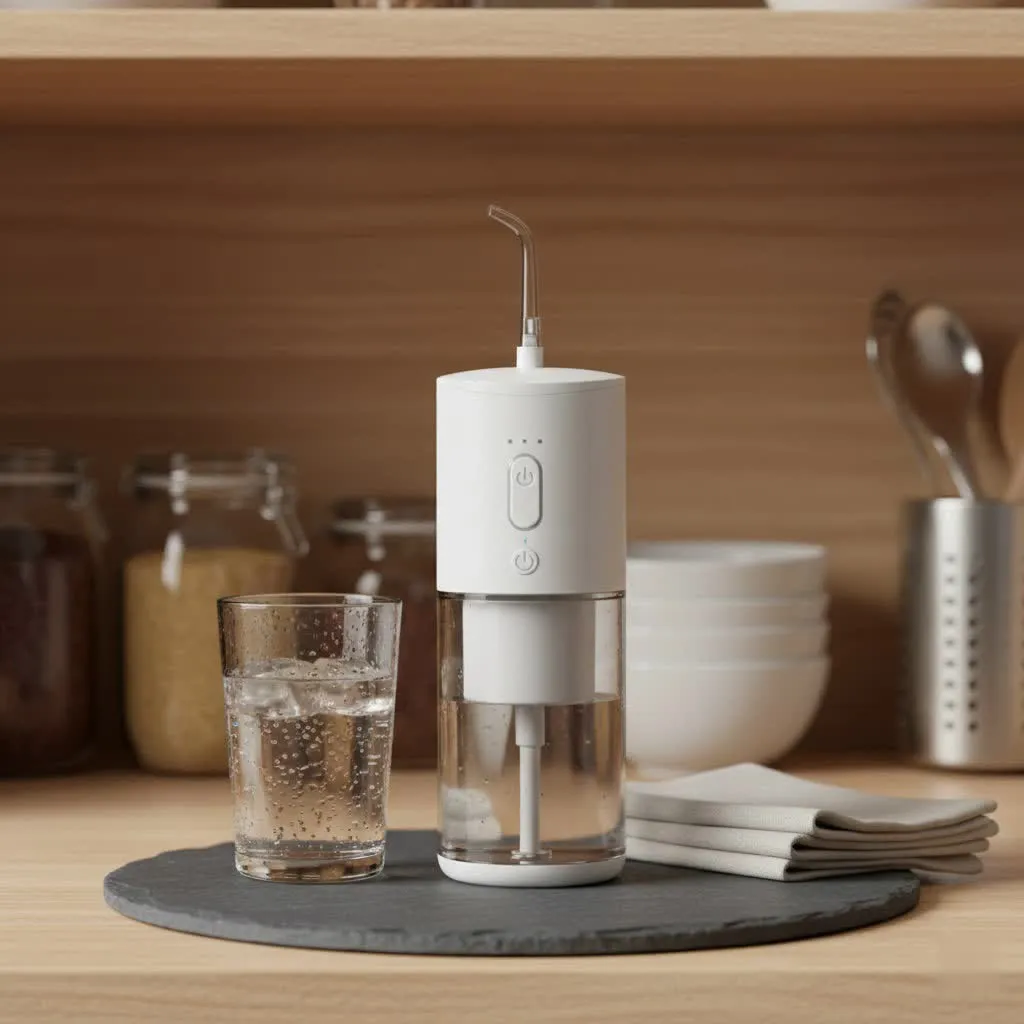
A water flosser, also known as an oral irrigator, is an innovative dental hygiene device designed to clean between teeth and along the gumline using a targeted stream of pulsating water. Unlike traditional string floss, which physically scrapes against the gum tissue, a water flosser uses hydrokinetics—the movement of water—to dislodge food particles, plaque, and bacteria from hard-to-reach areas. This gentle yet powerful action makes it an excellent addition to your oral care routine, particularly if you have sensitive gums. The device typically consists of a motor, a pump, and a water reservoir, delivering a steady, controlled stream of water that effectively cleans without causing irritation.
The primary benefit of a water flosser over traditional floss for sensitive gums lies in its non-abrasive approach. Traditional flossing can sometimes be too harsh, leading to discomfort, bleeding, or even further irritation for already tender gums. A water flosser navigates these delicate areas with a soothing water massage, promoting gum health rather than causing distress.
Why Water Flossers Are Ideal for Sensitive Gums
Water flossers offer several distinct advantages that make them a superior choice for individuals with sensitive gums. Their unique cleaning mechanism provides effective hygiene without the common irritations associated with traditional methods.
Firstly, water flossers deliver a gentle cleaning without irritation. Instead of scraping, the pulsating water stream softly massages the gum tissue while effectively removing plaque and food debris. This gentler approach helps reduce the risk of gum inflammation and bleeding, which are often experienced by those with sensitive or receding gums. Many users find this method significantly more comfortable, encouraging consistent daily use.
Secondly, consistent use of a water flosser can actively reduce inflammation and bleeding. Research indicates that the pulsating motion of a water flosser can significantly decrease gum inflammation and bleeding over time. This is particularly beneficial for individuals prone to gingivitis or periodontal disease, as the water jet helps flush out bacteria and toxins that contribute to these conditions, promoting healthier gum tissue.
Finally, water flossers are highly effective for hard-to-reach areas that traditional floss might miss. This includes cleaning under the gumline, around orthodontic appliances like braces, and around dental restorations such as implants or crowns. For those with limited dexterity, a water flosser simplifies interdental cleaning, ensuring comprehensive oral hygiene without the struggle. The gentle massage also stimulates blood circulation in the gums, further enhancing their health and resilience.
Types of Water Flossers Popular for Sensitive Gums
When considering a water flosser for sensitive gums, understanding the different types available can help you choose the best fit for your lifestyle and oral care needs. The two main categories are countertop and cordless/portable models, each with distinct features.
Countertop Water Flossers
Countertop water flossers are typically larger units designed to sit on your bathroom counter. They usually feature a substantial water reservoir and are powered by an electrical outlet.
- Pros for Sensitive Gums: These models often offer a wider range of pressure settings, from very low to powerful, providing precise control to find the gentlest setting for your gums. Their larger reservoir capacity means you won’t need to refill mid-session, ensuring an uninterrupted and thorough clean. The stability of a countertop unit can also make it easier for some users to control the nozzle without accidental slips.
- Cons: Their size can take up significant counter space, and they require being plugged in, limiting their placement. They are generally less portable, making them less ideal for travel.
|
Our Picks for the Best Water Flosser in 2026
As an Amazon Associate I earn from qualifying purchases.
|
||
| Num | Product | Action |
|---|---|---|
| 1 | Water Flosser, Water Dental Flosser Pick for Teeth, 300ML IPX7 Waterproof Oral Irrigator, 3 Modes 4 Replaceable Jet Tips, Professional Flossing Cleaning Picks for Home Travel Gums, Braces Care (Black) |

|
| 2 | COSLUS Portable Water Flosser for Teeth: 4 Modes & 5 Intensity Levels Professional Electric Dental Pick for Sensitive Gums, Braces & Orthodontic - Cordless for Travel Use, for Adults, BPA-Free, Pink |
|
| 3 | Bitvae Water Dental Flosser for Teeth, Cordless Water Teeth Cleaner Picks, 3 Modes 5 Intensities, IPX7 Waterproof, Rechargeable Water Dental Picks for Cleaning - Black |
|
| 4 | COSLUS Portable Water Flosser for Teeth: 3 Modes & 6 Pressure Settings with Jet Mode Water Dental Pick for Orthodontic, Braces, Sensitive Gums, Compact for Travel, 300ML for Multiple Users, White C51 |
|
| 5 | OILSAO Electric Toothbrush with Water Flosser Combo, All in One Sonic Toothbrush with 3 Modes & 5 Flossing Speeds, Rechargeable & Portable for Adult Teeth Cleaning and Plaque Removal,Pearl White |
|
| 6 | Waterpik Cordless Pulse Rechargeable Portable Water Flosser for Teeth, Gums, Braces Care and Travel with 2 Flossing Tips, Waterproof for Shower, ADA Accepted, WF-20 Blue, Packaging and Tips May Vary |
|
| 7 | Benhip Water Flosser with Electric Toothbrush – 3 Sonic Toothbrush Modes & 5 Water Flossing Pressure – Fast Charging & IPX7 Waterproof – Portable Travel Case Included |
|
| 8 | Onlyone Rechargeable Cordless Water Flosser with Adjustable Water Pressure for Daily Oral Care, Power Dental Flosser for Home and Travel Use, Portable Oral Irrigator for Sensitive Gums and Braces Care |
|
| 9 | Waterpik Aquarius Water Flosser For Teeth Cleaning, Gums, Braces, Dental Care, Electric Power With 10 Settings, 7 Tips For Multiple Users And Needs, ADA Accepted, White WP-660, Packaging May Vary |
|
| 10 | COSLUS Water Dental Flosser Teeth Pick: Portable Cordless Oral Irrigator 300ML Rechargeable Travel Irrigation Cleaner IPX7 Waterproof Electric Flossing Machine for Teeth Cleaning C20(F5020E) |
|
Cordless/Rechargeable Water Flossers
Cordless or portable water flossers are compact, battery-operated devices that are ideal for smaller bathrooms or for those who travel frequently.
- Pros for Sensitive Gums: Their portability and compact design make them convenient for daily use and travel. Many cordless models still offer multiple pressure settings, including gentle options, and are easy to handle and maneuver around the mouth.
- Cons: Cordless units often have smaller water reservoirs, which may require refilling during a single flossing session. While many offer good pressure control, some may have fewer intensity settings compared to their countertop counterparts. Battery life also needs to be managed with regular charging.
When choosing between types, consider your daily routine, available bathroom space, and how often you travel. For sensitive gums, the critical factor remains the availability of truly gentle pressure settings, which can be found in both countertop and quality cordless models.
How to Choose the Best Water Flosser for Sensitive Gums (Buying Guide)
Selecting the right water flosser is crucial for sensitive gums. Focus on features that prioritize comfort and efficacy without causing irritation.
Key Factors to Consider:
- Adjustable Water Pressure: This is paramount. Look for a model that offers a broad spectrum of pressure settings, including a very low or “sensitive” mode. Starting on the gentlest setting is essential to prevent discomfort and gradually increase as your gums adapt. Some models even feature “massage” or “pulse” modes specifically designed to be soothing.
- Reservoir Capacity: A larger water tank (e.g., 500ml or more for countertop, 150ml+ for cordless) is beneficial as it allows you to complete a full flossing session (typically 1-2 minutes) without needing to refill, maintaining consistent water flow and pressure.
- Number and Type of Nozzles: While most water flossers come with standard jet tips, some offer specialized tips like periodontal tips for deep cleaning pockets or orthodontic tips for braces. For sensitive gums, the classic jet tip on a low-pressure setting is usually sufficient and gentle. Ensure replacement tips are readily available.
- Modes: Beyond just pressure levels, some flossers feature distinct modes such as “Clean,” “Deep Clean,” “Sensitive,” or “Massage.” A dedicated sensitive or massage mode can provide a softer, pulsating stream that is more comfortable for tender gums.
- Noise Level: While not directly affecting gum health, a quieter device can make the daily routine more pleasant, especially for early morning or late-night use.
- Size and Weight: If you have limited counter space or plan to travel, a compact, cordless model might be more suitable. For countertop units, consider the overall footprint. An ergonomic design is also important for comfortable handling and maneuverability around the mouth.
- Price: Water flossers range widely in price. While investing in a quality device with good features is wise, you don’t necessarily need the most expensive model. Balance features important for sensitive gums with your budget.
Reputable Brands to Consider:
Several brands are highly regarded for their water flossers, many offering models suitable for sensitive gums:
- Waterpik: Often recommended by dentists, Waterpik offers a variety of models (e.g., Aquarius, ION, Cordless Advanced) with multiple pressure settings and various tips. The Aquarius, for instance, has 10 pressure settings, allowing for a very gentle start.
- Philips Sonicare: Known for innovative oral care, Philips Sonicare models like the Cordless Power Flosser 3000 offer a Quad Stream tip and gentle modes, which some users find beneficial for sensitive gums.
- Burst: The Burst Water Flosser is specifically highlighted for its effective yet gentle clean, even on its turbo mode, making it a strong contender for sensitive gums. It offers standard, turbo, and pulse settings.
- Boka: The Boka Advanced Water Flosser has been noted for feeling more like a firm massage than a harsh blast, even on its strongest setting, suitable for sensitive mouths.
- Aquasonic: The Aquasonic Aqua Flosser is praised for its ergonomics and effective pulse mode, which is gentle yet efficient.
- usmile: The usmile C10 Portable Dental Flosser features a “Massage Mode” specifically for sensitive teeth and gums, alongside other adjustable settings.
When choosing, always look for models that emphasize adjustable pressure and gentle cleaning capabilities to ensure a comfortable and effective experience for your sensitive gums.
Top Water Flossers Recommended for Sensitive Gums
Finding the perfect water flosser for sensitive gums means looking for devices that combine effective cleaning with adjustable, gentle pressure. Here’s a comparison of some highly-rated models that stand out for their suitability for tender gum care:
| Model | Type | Pressure Settings (range/modes) | Reservoir Capacity | Key Features for Sensitive Gums | Pros | Cons |
|---|---|---|---|---|---|---|
| Waterpik Aquarius WP-660 | Countertop | 10 pressure settings | 22 oz (650 mL) | Very gentle low settings, wide pressure range. | High effectiveness, large reservoir, multiple tips, built-in timer. | Can be bulky, requires counter space, short cord. |
| Philips Sonicare Cordless Power Flosser 3000 | Cordless | 3 intensity settings, Quad Stream nozzle | 5 oz (150 mL) | Gentle clean, unique Quad Stream tip, “Sensitive” mode. | Excellent for removing debris, comfortable to hold, gentle on gums. | Smaller reservoir (requires refills), fewer color options, no timer. |
| Burst Water Flosser | Cordless | 3 modes (Standard, Turbo, Pulse) | 7 oz (210 mL) | Effective yet gentle clean, pulse mode. | Comfortable, doesn’t overpower gums, good for consistency. | Power button also changes modes (can accidentally turn off). |
| Boka Advanced Water Flosser | Cordless | 3 pressure settings | 6.8 oz (200 mL) | Feels like a firm massage, gentle on sensitive gums. | Good battery life, five nozzles, 360-degree rotation. | Pressure settings don’t differ widely, not most intuitive controls. |
| Aquasonic Aqua Flosser | Cordless | 3 settings, Pulse mode | 5 oz (150 mL) | Pulse mode is gentle and effective. | Ergonomic design, easy to operate, good value for money, travel pouch. | Fewer advanced settings. |
| usmile C10 Portable Dental Flosser | Cordless | 4 modes (Soft/Normal/Power/Massage) | 6.7 oz (200 mL) | Dedicated “Massage Mode” and “Soft Mode”. | Versatile, portable, budget-friendly, good for first-time users. | Nozzle design might be less ergonomic for some. |
Note: Some sources indicate the Philips Sonicare Power Flosser 5000, while powerful, might be too intense even on its lowest setting for extremely sensitive gums. The 3000 series is often cited as a gentler option.
How to Use a Water Flosser Correctly for Sensitive Gums
Using a water flosser effectively for sensitive gums requires a gentle approach and proper technique to maximize benefits and avoid irritation. Follow these steps for an optimal and comfortable experience:
Preparation Before Use
- Fill the Reservoir with Lukewarm Water: Cold water can exacerbate tooth and gum sensitivity. Always use lukewarm water for maximum comfort. You can also add a dentist-recommended mouthwash for extra benefits.
- Select the Right Tip: For general cleaning and sensitive gums, the standard jet tip is usually best. If your device comes with specialized tips, consult your dentist about their suitability for your specific gum condition.
- Adjust Pressure to the Lowest Setting: This is critical for sensitive gums. Always start with the lowest pressure setting available on your device. You can gradually increase it over time as your gums become healthier and more accustomed to water flossing.
Steps to Use Your Water Flosser
- Lean Over the Sink: To prevent splashing and mess, lean over the sink and keep your mouth slightly open, allowing the water to flow out naturally.
- Place the Tip: Position the flosser tip just above your gumline, aiming it at a 90-degree angle to your teeth. Do not aim the stream directly into gum pockets or at specific teeth with excessive force, especially when starting.
- Start Flossing: Turn on the device and guide the tip along your gumline, pausing briefly between each tooth. Follow a systematic pattern—for example, start with your back molars and work your way around your top teeth, then move to your bottom teeth. This ensures you don’t miss any areas.
- Floss Both Sides: Remember to clean both the front and back surfaces of your teeth along the gumline. Spend a few seconds on each tooth.
- Empty and Clean: Once finished, turn off the device, empty any remaining water from the reservoir, and clean the tip according to the manufacturer’s instructions. This prevents bacteria buildup and maintains hygiene.
Tips for Best Results with Sensitive Gums
- Listen to Your Gums: If you experience any pain or significant discomfort, immediately reduce the water pressure or stop using the device. Your water flosser should feel like a comfortable massage, not a blast of water.
- Consistency is Key: Regular use (at least once a day) will lead to improved gum health, gradually reducing sensitivity and inflammation.
- Don’t Substitute Brushing: A water flosser is a supplement to brushing, not a replacement. Continue to brush your teeth twice daily with a soft-bristled toothbrush.
- Consult Your Dentist: If sensitivity persists, or if you notice continued bleeding or worsening gum conditions, consult your dentist. They can assess the underlying cause and provide tailored advice.
By following these guidelines, you can safely and effectively incorporate a water flosser into your oral hygiene routine, enjoying a cleaner mouth and healthier, less sensitive gums.
Benefits of Water Flossers for Overall Oral Health
Beyond addressing sensitive gums, water flossers offer a wealth of benefits that contribute to superior overall oral health. Integrating this device into your daily routine can significantly enhance your dental hygiene.
One of the primary benefits is the efficient removal of plaque and bacteria. Water flossers are highly effective at dislodging food particles and sticky plaque from between teeth and along the gumline, areas often missed by traditional brushing and even string flossing. This thorough cleaning helps to keep your mouth free from the harmful bacteria that lead to dental problems.
This advanced cleaning also plays a crucial role in preventing cavities and gum disease. By regularly removing plaque, you reduce the risk of acid attacks that cause tooth decay. Moreover, the pulsating water stream cleans deep into periodontal pockets, significantly reducing the bacterial load that causes gingivitis (early gum disease) and preventing its progression to more severe forms like periodontitis.
Water flossers are particularly adept at improving gum health. The gentle massaging action of the water jet stimulates blood circulation in the gums, fostering healthier and more resilient gum tissue. This can lead to a noticeable reduction in gum inflammation, swelling, and bleeding, even for individuals who initially struggled with sensitive gums.
Furthermore, water flossers are exceptionally effective at cleaning hard-to-reach areas. This makes them an invaluable tool for people with braces, dental implants, crowns, bridges, or other dental work where food and plaque can easily accumulate and be difficult to remove with traditional methods. The targeted stream can navigate around these appliances, ensuring comprehensive cleanliness.
Regular use not only leads to a cleaner mouth feel but also contributes to fresher breath by eliminating odor-causing bacteria. For anyone seeking to elevate their oral hygiene, a water flosser provides a powerful, gentle, and comprehensive solution for maintaining long-term dental health.
Important Considerations When Using a Water Flosser
While water flossers are a fantastic tool for oral hygiene, especially for sensitive gums, it’s essential to use them correctly and understand their role within a complete dental care routine.
Firstly, remember that a water flosser is not a replacement for brushing. Brushing with a toothbrush removes plaque and food debris from the surfaces of your teeth. Water flossing, on the other hand, cleans between teeth and below the gumline. For optimal oral health, you should continue to brush your teeth twice a day with a fluoride toothpaste and use your water flosser at least once daily.
Secondly, adjusting the water pressure is crucial, especially when you have sensitive gums or are new to water flossing. Always start with the lowest pressure setting and gradually increase it only if it feels comfortable. Using too high a pressure setting can irritate or even damage delicate gum tissue, leading to more sensitivity or bleeding. The goal is a gentle, comfortable massage, not a powerful blast. Many reputable models offer a “sensitive” or “massage” mode for this purpose.
Finally, consulting with your dentist is always recommended if you experience any persistent issues. If you continue to have discomfort, bleeding, or increased sensitivity despite proper water flossing technique and appropriate pressure settings, it could indicate an underlying dental issue that requires professional attention. Your dentist or dental hygienist can also offer personalized advice on the best water flosser models and techniques for your specific oral health needs, ensuring you get the most out of your dental care routine.
Conclusion
Embracing a water flosser can truly be a game-changer for anyone navigating the challenges of sensitive gums. By offering a gentle, yet remarkably effective way to clean between teeth and along the gumline, these devices help mitigate discomfort while diligently removing plaque and bacteria. With features like adjustable pressure settings, specialized modes, and ergonomic designs, modern water flossers make achieving optimal oral hygiene an accessible and comfortable reality.
Remember, consistent use of a water flosser, combined with regular brushing and professional dental check-ups, forms the cornerstone of a healthy mouth. It’s an investment in your comfort, cleanliness, and long-term oral well-being. So, why not give your sensitive gums the soothing care they deserve and discover the difference a water flosser can make?
