Are you among the millions who experience the stealthy threat of gum disease, often noticing its presence only through bleeding gums or persistent bad breath? While diligent brushing is foundational to oral health, it often falls short in reaching the hidden crevices where plaque and bacteria thrive, leading to gingivitis and periodontitis. This is where the water flosser steps in as a game-changer, offering a highly effective and gentle method to elevate your gum care routine. By harnessing the power of a targeted water stream, these devices are transforming how we fight gum disease, offering a path to healthier gums and a more confident smile.
What is a Water Flosser?
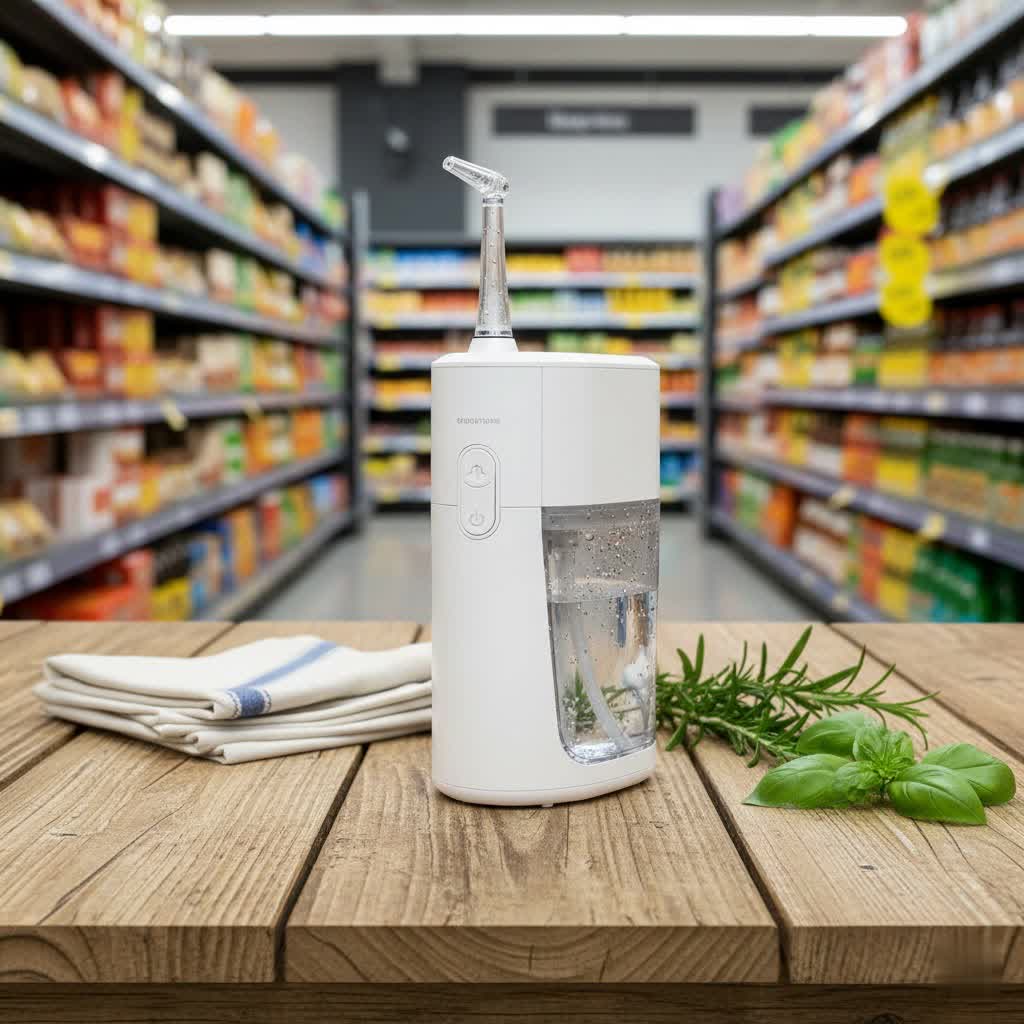
A water flosser, also widely known as an oral irrigator or by the popular brand name Waterpik, is a specialized dental hygiene device designed to cleanse between teeth and below the gumline using a pulsating stream of water. It features a water reservoir, a motor-driven pump, and a specialized nozzle that delivers the water stream. This innovative tool works by dislodging food particles, plaque, and harmful bacteria that brushing and traditional string floss often miss.
Compared to traditional string floss, water flossers offer distinct advantages, particularly for individuals battling gum disease. They excel at reaching deep into periodontal pockets, areas where gums have pulled away from the teeth, which can be as deep as 7mm. This capability allows them to flush out bacterial colonies that are inaccessible to string floss, which typically only reaches 2-3 millimeters below the gumline. Furthermore, the gentle yet powerful stream can effectively clean around dental restorations like crowns, bridges, implants, and orthodontic appliances, areas notorious for trapping debris and fostering bacterial growth.
The Science Behind Water Flossers and Gum Disease
Gum disease, beginning as gingivitis and potentially progressing to more severe periodontitis, is primarily caused by plaque buildup and bacterial infection. Water flossers directly combat this by significantly reducing plaque, inflammation, and bleeding. The pulsating water stream creates a hydrokinetic energy that effectively disrupts and removes plaque biofilm from tooth surfaces and below the gumline, preventing the harmful bacteria from causing irritation and infection.
Clinical research provides compelling evidence for the efficacy of water flossers. Studies have shown that both standard and microbubble-infused water flossers significantly outperform traditional dental floss in reducing plaque and inflammation markers when paired with manual toothbrushing. Dentists frequently recommend these devices for patients prone to gingivitis or periodontitis, praising their ability to clean thoroughly without causing irritation, making them a vital tool in managing and improving gum health.
Types of Water Flossers
Water flossers come in various designs, each offering unique benefits to cater to different user preferences and needs. Understanding the distinctions can help you select the most suitable device for your gum health journey.
Countertop Water Flossers
These models are typically larger, designed to sit on your bathroom counter, and often plug into an electrical outlet for continuous power.
- Pros: Countertop units usually feature a significantly larger water reservoir, providing ample water for a complete flossing session without needing a refill. They often come with more advanced features, including a wider range of pressure settings and a variety of specialized tips for different oral care needs. Their consistent power delivery ensures thorough cleaning.
- Cons: Their size means they take up more counter space and are generally less portable, making them inconvenient for travel. Some models can also be noticeably louder during operation.
|
Our Picks for the Best Water Flosser in 2026
As an Amazon Associate I earn from qualifying purchases.
|
||
| Num | Product | Action |
|---|---|---|
| 1 | COSLUS Portable Water Flosser for Teeth: 4 Modes & 5 Intensity Levels Professional Electric Dental Pick for Sensitive Gums, Braces & Orthodontic - Cordless for Travel Use, for Adults, BPA-Free, Pink |

|
| 2 | COSLUS Water Dental Flosser Teeth Pick: Portable Cordless Oral Irrigator 300ML Rechargeable Travel Irrigation Cleaner IPX7 Waterproof Electric Flossing Machine for Teeth Cleaning C20(F5020E) |
|
| 3 | Waterpik Aquarius Water Flosser For Teeth Cleaning, Gums, Braces, Dental Care, Electric Power With 10 Settings, 7 Tips For Multiple Users And Needs, ADA Accepted, White WP-660, Packaging May Vary |
|
| 4 | Water Flosser, Water Dental Flosser Pick for Teeth, 300ML IPX7 Waterproof Oral Irrigator, 3 Modes 4 Replaceable Jet Tips, Professional Flossing Cleaning Picks for Home Travel Gums, Braces Care (Black) |
|
| 5 | Waterpik Cordless Pulse Rechargeable Portable Water Flosser for Teeth, Gums, Braces Care and Travel with 2 Flossing Tips, Waterproof for Shower, ADA Accepted, WF-20 Blue, Packaging and Tips May Vary |
|
| 6 | Onlyone Rechargeable Cordless Water Flosser with Adjustable Water Pressure for Daily Oral Care, Power Dental Flosser for Home and Travel Use, Portable Oral Irrigator for Sensitive Gums and Braces Care |
|
| 7 | COSLUS Portable Water Flosser for Teeth: 3 Modes & 6 Pressure Settings with Jet Mode Water Dental Pick for Orthodontic, Braces, Sensitive Gums, Compact for Travel, 300ML for Multiple Users, White C51 |
|
| 8 | Bitvae Water Dental Flosser for Teeth, Cordless Water Teeth Cleaner Picks, 3 Modes 5 Intensities, IPX7 Waterproof, Rechargeable Water Dental Picks for Cleaning - Black |
|
| 9 | OILSAO Electric Toothbrush with Water Flosser Combo, All in One Sonic Toothbrush with 3 Modes & 5 Flossing Speeds, Rechargeable & Portable for Adult Teeth Cleaning and Plaque Removal,Pearl White |
|
| 10 | Benhip Water Flosser with Electric Toothbrush – 3 Sonic Toothbrush Modes & 5 Water Flossing Pressure – Fast Charging & IPX7 Waterproof – Portable Travel Case Included |
|
Cordless/Portable Water Flossers
Designed for convenience and mobility, these compact units are battery-powered and ideal for on-the-go use.
- Pros: Cordless water flossers are lightweight, compact, and highly portable, making them excellent for travel or for those with limited counter space. Many are waterproof, allowing for use in the shower, which some users find more convenient.
- Cons: They typically have smaller reservoirs, necessitating refills during a single flossing session. The battery requires regular recharging, and they may offer fewer pressure settings or specialized tips compared to their countertop counterparts.
For individuals with severe gum disease or complex dental work, a countertop model with its enhanced features and larger capacity might be more beneficial. Conversely, if consistency is an issue due to travel or bathroom space, a reliable cordless model can ensure you maintain your oral hygiene routine wherever you are.
Choosing the Best Water Flosser for Gum Disease
Selecting the right water flosser is crucial for maximizing its benefits, especially when addressing gum disease. Consider these key factors to make an informed decision:
- Water Pressure Settings: This is paramount for gum health. Look for models with adjustable pressure settings. Starting on a lower, gentler setting is advisable, especially if you have sensitive or inflamed gums. As your gums adapt, you can gradually increase the pressure for more effective cleaning.
- Reservoir Capacity: A larger reservoir, typically found in countertop models, allows for a full 90-second flossing session without interruption. Smaller reservoirs in cordless models may require refilling, which can be a minor inconvenience for some.
- Specialized Tips: Different tips are designed for specific needs. For gum disease, a periodontal pocket tip (often called a Pik Pocket tip) is invaluable as it delivers a therapeutic stream of water deep into gum pockets. A plaque seeker tip is beneficial for cleaning around implants, crowns, and bridges, while an orthodontic tip is perfect for braces.
- Modes: Beyond standard “clean” modes, some water flossers offer “massage” modes for gum stimulation or “deep clean” modes with varied pulsation patterns. These can enhance comfort and therapeutic benefits for sensitive or diseased gums.
- Ease of Use and Cleaning: Opt for models with easily detachable and wide-mouthed reservoirs for hassle-free filling and thorough cleaning. This prevents bacterial growth and maintains hygiene.
- Noise Level: While most water flossers produce some noise, certain brands and models are significantly quieter, which can be a comfort consideration in small bathrooms.
- ADA Seal of Acceptance: The American Dental Association (ADA) Seal of Acceptance signifies that a product has been scientifically evaluated for safety and effectiveness. Waterpik, Philips Sonicare, and Quip are prominent brands that carry this esteemed seal, assuring you of their quality and benefits for reducing plaque and gingivitis.
By carefully evaluating these features, you can choose a water flosser that not only fits your lifestyle but also actively supports your fight against gum disease.
How to Use Your Water Flosser for Optimal Gum Health
Using a water flosser effectively is key to harnessing its full potential in improving gum health. While it might seem a little messy at first, consistent practice will make it a seamless part of your daily routine.
Here’s a step-by-step guide to proper water flossing:
- Prepare the Reservoir: Fill the water reservoir with lukewarm water. Lukewarm water is more comfortable for sensitive gums. You can also add a dentist-recommended mouthwash to the reservoir for an extra antibacterial boost, if desired.
- Adjust Pressure Settings: If you are new to water flossing or have sensitive or inflamed gums, start with the lowest pressure setting. As your gums become accustomed to the sensation, you can gradually increase the pressure to a comfortable yet effective level.
- Position Yourself: Lean over the sink to prevent splashing and allow the water to drain easily from your mouth. Place the water flosser tip into your mouth before turning the device on.
- Aim Correctly: With the tip in your mouth, turn on the device. Aim the stream of water at a 90-degree angle to your gumline, focusing on the spaces between your teeth. For deep pockets, if using a specialized periodontal tip, gently guide it along the gumline into the pocket.
- Follow a Pattern: Starting with your back teeth, systematically work your way around your mouth. Pause briefly between each tooth, allowing the water to flush away debris and bacteria. Be sure to clean both the outside (buccal) and inside (lingual) surfaces of your teeth and along the gumline.
- Complete the Session: A typical thorough water flossing session should take approximately two minutes. Many water flossers have built-in timers that pause at intervals (e.g., 30 or 60 seconds) to help you keep track.
- Clean After Use: Once finished, turn off the device, remove the nozzle, and empty any remaining water from the reservoir. Rinse the reservoir thoroughly and allow it to air dry to prevent bacterial growth. Clean the tip as recommended by the manufacturer.
Consistency is vital. Incorporate water flossing into your daily oral hygiene routine, ideally once or twice a day, alongside regular brushing and, if recommended by your dentist, traditional string flossing. This consistent approach will significantly contribute to healthier gums and a cleaner mouth.
Beyond Flossing: Comprehensive Benefits for Gum Health
Water flossers offer a multifaceted approach to oral hygiene, extending benefits far beyond what traditional flossing alone can achieve, particularly for those concerned about gum disease.
- Superior Plaque and Bacteria Removal: The pulsating water stream effectively dislodges and rinses away plaque biofilm and food particles from areas that toothbrushes and string floss often miss, including below the gumline and in the tight spaces between teeth. This significantly reduces the bacterial load that contributes to gum inflammation and infection.
- Prevention and Reduction of Gingivitis: By consistently removing plaque and bacteria, water flossers are highly effective in preventing the onset of gingivitis, the earliest stage of gum disease characterized by red, swollen, and bleeding gums. For those already experiencing gingivitis, regular use can dramatically reduce inflammation and bleeding.
- Management of Periodontitis: For more advanced gum disease, or periodontitis, water flossers are invaluable. They can penetrate deep into periodontal pockets, cleaning out bacteria and debris that perpetuate the disease process. This deep cleaning helps to halt the progression of periodontitis and promote a healthier gum environment.
- Reduces Gum Bleeding and Inflammation: Many users report a significant reduction in gum bleeding and tenderness after incorporating a water flosser into their routine. The gentle massage action of the water stream also improves circulation in the gums, contributing to overall tissue health.
- Ideal for Specific Oral Conditions: Water flossers are particularly beneficial for individuals with:
- Braces and Orthodontic Appliances: The water stream can easily navigate around wires and brackets, cleaning hard-to-reach areas.
- Dental Implants, Crowns, and Bridges: These restorations often create niches where bacteria can accumulate, and water flossers provide an effective way to clean around them without causing damage.
- Sensitive Gums: With adjustable pressure settings, water flossers offer a gentler alternative for those who find string flossing irritating or painful.
- Fresher Breath: By eliminating food particles and odor-causing bacteria from the mouth, water flossers contribute to noticeably fresher breath, addressing a common symptom of gum disease.
Incorporating a water flosser into your daily regimen is a proactive step towards achieving comprehensive oral hygiene and maintaining robust gum health.
Important Considerations When Using a Water Flosser
While water flossers are a powerful addition to your oral hygiene toolkit, it’s essential to approach their use with a clear understanding of their role and limitations.
- A Complementary Tool, Not a Substitute: It is crucial to remember that a water flosser enhances your oral care routine; it does not replace brushing. For many, it also complements or is used in addition to traditional string flossing, especially in areas with very tight contacts where string floss can effectively scrape away tenacious plaque. Always brush your teeth twice a day with a fluoride toothpaste for two minutes, and then consider integrating water flossing.
- Professional Guidance is Key: If you have active gum disease, especially periodontitis, a water flosser can be a beneficial aid, but it is not a standalone treatment. Professional dental cleanings and periodontal treatments are often necessary to effectively manage and treat gum disease. Always consult your dentist or periodontist to determine the best oral hygiene regimen for your specific condition. They can offer personalized advice on pressure settings, tip types, and how to best integrate a water flosser into your care plan.
- Adjusting to Initial Use: When you first start using a water flosser, it’s normal to experience some minor messiness or a ticklish sensation on your gums. Begin with the lowest pressure setting and gradually increase it as your gums become accustomed to the water stream. With a little practice, proper technique becomes second nature, and any initial discomfort usually subsides as your gum health improves.
- Regular Maintenance is Essential: To ensure your water flosser remains hygienic and functions optimally, regular cleaning is vital. Empty the reservoir after each use and allow it to air dry. Periodically clean the reservoir and the device according to the manufacturer’s instructions to prevent the buildup of bacteria or mineral deposits, ensuring a consistently clean and effective flossing experience.
By keeping these considerations in mind, you can maximize the benefits of your water flosser and ensure it serves as an effective, safe, and valuable component of your overall oral health strategy.
Conclusion
Embracing a water flosser represents a significant stride forward in your daily oral hygiene, especially for those navigating the challenges of gum disease. These innovative devices stand as a powerful, scientifically supported adjunct to traditional brushing, reaching deep into areas that often escape conventional cleaning methods. By delivering a targeted, pulsating stream of water, water flossers effectively dislodge plaque, bacteria, and food debris, leading to a notable reduction in gum inflammation and bleeding.
While they are not a magic bullet or a replacement for professional dental care, integrating a water flosser into your routine can dramatically improve your gum health, helping to prevent and manage conditions like gingivitis and periodontitis. With various types and features available, from powerful countertop models to portable cordless options, there’s a water flosser designed to meet every individual’s needs. By choosing wisely and using it correctly, you can experience cleaner teeth, healthier gums, and a fresher feeling mouth. Are you ready to discover the transformative power of a water flosser for your gum health?
Frequently Asked Questions
Can a water flosser completely cure gum disease?
No, a water flosser cannot completely cure established gum disease. While it is highly effective at reducing plaque, inflammation, and bleeding, and can significantly help manage gingivitis and periodontitis, professional dental treatment and deep cleanings are often necessary to fully address gum disease.
How often should I use a water flosser if I have gum disease?
For individuals with gum disease or those looking to prevent it, daily use is highly recommended, ideally once or twice a day. Consistent use is key to effectively removing bacteria and maintaining gum health.
Is a water flosser better than string floss for gum disease?
Water flossers and string floss each have unique strengths. Water flossers excel at cleaning below the gumline, in deep pockets, and around dental work like braces or implants, often being more effective at reducing bleeding and inflammation. String floss can be superior for scraping plaque from tightly spaced tooth surfaces. Many dental professionals recommend using both or choosing the method you are most likely to use consistently.
Can I use mouthwash in my water flosser?
Yes, you can use mouthwash in your water flosser. Filling the reservoir with lukewarm water and adding a dentist-recommended antibacterial mouthwash can provide an extra layer of protection against bacteria and contribute to fresher breath. Always rinse the reservoir thoroughly after use.
Are water flossers safe for sensitive gums?
Absolutely. Most water flossers come with multiple pressure settings, allowing you to start with a very gentle stream. This makes them an excellent option for individuals with sensitive or inflamed gums who might find traditional string flossing uncomfortable or painful. As your gums heal and strengthen, you can gradually increase the pressure.
