Are you looking for a smarter, more effective way to achieve a healthier smile? While traditional string floss has its place, the evolution of oral care has introduced a game-changer: the water flosser. These innovative devices utilize a targeted stream of pulsating water to reach areas that string floss often misses, transforming your daily hygiene routine into a more pleasant and thorough experience. As an oral care enthusiast with a decade of experience in dental products, I’ve seen firsthand how the right water flosser can revolutionize gum health and overall oral hygiene. This article will guide you through everything you need to know to select, use, and maintain the best water flosser for your needs, helping you unlock a brighter, cleaner smile.
What is a Water Flosser?
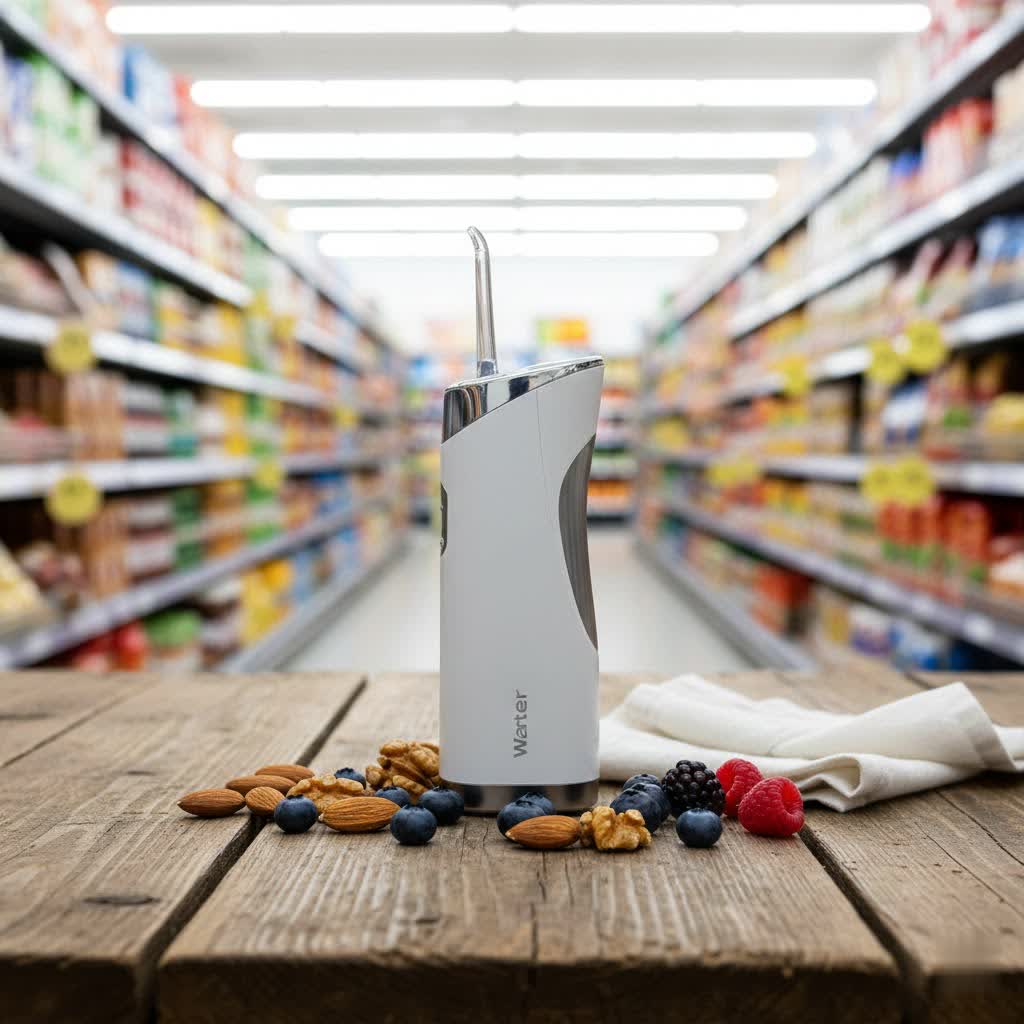
A water flosser, often known as an oral irrigator or dental water jet, is an oral hygiene device that uses a continuous or pulsating stream of water to remove food particles, plaque, and bacteria from between teeth and below the gum line. Its principle involves using pressurized water to dislodge debris, providing a deep clean that can be more effective and gentler than traditional string flossing for many users. The dynamic action of water can reach into periodontal pockets and around orthodontic appliances more easily, making it a powerful addition to your dental care regimen.
The primary benefit of a water flosser over traditional string floss lies in its ability to clean hard-to-reach areas with less effort and discomfort. Unlike string floss, which requires manual dexterity and can sometimes cause irritation or bleeding, a water flosser offers a gentler yet highly effective cleaning method. This makes it particularly advantageous for individuals with braces, implants, crowns, bridges, or those prone to gum sensitivity, where navigating traditional floss can be challenging.
Popular Types of Water Flossers
Water flossers come in various designs, each offering distinct advantages. Understanding the differences between these types will help you choose one that best fits your lifestyle and bathroom setup.
Countertop Water Flossers
These models are typically larger and designed to sit permanently on your bathroom counter. They usually connect to a power outlet and feature a generously sized water reservoir, often holding enough water for a full 90-second flossing session or more without needing a refill.
- Pros: Generally offer the widest range of water pressure settings (often up to 10 levels), more advanced features like massage modes or timers, and a larger water capacity. They are often more powerful and durable.
- Cons: Require dedicated counter space, are usually corded (limiting placement), and can be louder than cordless models. Not ideal for travel.
- Best for: Families, individuals who prioritize maximum power and features, and those with ample bathroom counter space.
|
Our Picks for the Best Water Flosser in 2026
As an Amazon Associate I earn from qualifying purchases.
|
||
| Num | Product | Action |
|---|---|---|
| 1 | Water Flosser, Water Dental Flosser Pick for Teeth, 300ML IPX7 Waterproof Oral Irrigator, 3 Modes 4 Replaceable Jet Tips, Professional Flossing Cleaning Picks for Home Travel Gums, Braces Care (Black) |

|
| 2 | COSLUS Portable Water Flosser for Teeth: 3 Modes & 6 Pressure Settings with Jet Mode Water Dental Pick for Orthodontic, Braces, Sensitive Gums, Compact for Travel, 300ML for Multiple Users, White C51 |
|
| 3 | Waterpik Cordless Pulse Rechargeable Portable Water Flosser for Teeth, Gums, Braces Care and Travel with 2 Flossing Tips, Waterproof for Shower, ADA Accepted, WF-20 Blue, Packaging and Tips May Vary |
|
| 4 | COSLUS Portable Water Flosser for Teeth: 4 Modes & 5 Intensity Levels Professional Electric Dental Pick for Sensitive Gums, Braces & Orthodontic - Cordless for Travel Use, for Adults, BPA-Free, Pink |
|
| 5 | Onlyone Rechargeable Cordless Water Flosser with Adjustable Water Pressure for Daily Oral Care, Power Dental Flosser for Home and Travel Use, Portable Oral Irrigator for Sensitive Gums and Braces Care |
|
| 6 | Bitvae Water Dental Flosser for Teeth, Cordless Water Teeth Cleaner Picks, 3 Modes 5 Intensities, IPX7 Waterproof, Rechargeable Water Dental Picks for Cleaning - Black |
|
| 7 | Benhip Water Flosser with Electric Toothbrush – 3 Sonic Toothbrush Modes & 5 Water Flossing Pressure – Fast Charging & IPX7 Waterproof – Portable Travel Case Included |
|
| 8 | OILSAO Electric Toothbrush with Water Flosser Combo, All in One Sonic Toothbrush with 3 Modes & 5 Flossing Speeds, Rechargeable & Portable for Adult Teeth Cleaning and Plaque Removal,Pearl White |
|
| 9 | COSLUS Water Dental Flosser Teeth Pick: Portable Cordless Oral Irrigator 300ML Rechargeable Travel Irrigation Cleaner IPX7 Waterproof Electric Flossing Machine for Teeth Cleaning C20(F5020E) |
|
| 10 | Waterpik Aquarius Water Flosser For Teeth Cleaning, Gums, Braces, Dental Care, Electric Power With 10 Settings, 7 Tips For Multiple Users And Needs, ADA Accepted, White WP-660, Packaging May Vary |
|
Cordless/Rechargeable Water Flossers
Designed for portability and convenience, cordless water flossers are handheld, battery-operated, and often more compact. They are ideal for smaller bathrooms or for those who travel frequently.
- Pros: Compact, lightweight, quiet operation, and do not require an outlet during use, offering flexibility in where you floss (e.g., in the shower). Excellent for travel.
- Cons: Typically have smaller water reservoirs, requiring more frequent refills during a flossing session. May offer fewer pressure settings compared to countertop models and can be less powerful.
- Best for: Travelers, individuals with limited counter space, those seeking a quieter flossing experience, and beginners.
Combination Units
Some devices combine an electric toothbrush and a water flosser into a single unit, saving space and streamlining your routine. For example, the Waterpik Sonic-Fusion allows users to brush and floss simultaneously.
Choosing the right type depends on your specific needs. If you want a powerful, feature-rich device for daily home use, a countertop model might be best. If portability and minimal counter clutter are priorities, a cordless option is likely more suitable.
Essential Guide to Choosing Your Water Flosser
Selecting the right water flosser involves considering several key factors to ensure it meets your oral hygiene needs and preferences.
Key Factors to Consider
- Water Pressure: Look for models with adjustable pressure settings. Beginners and those with sensitive gums should start with lower pressure and gradually increase it. Most quality flossers offer a range, from gentle to powerful, catering to diverse needs.
- Reservoir Capacity: A larger reservoir means longer continuous flossing without refilling, typically found in countertop models. Cordless units have smaller tanks for portability, often necessitating refills.
- Nozzle Types: Water flossers come with various tips for specific purposes:
- Classic Jet Tip: For general cleaning.
- Orthodontic Tip: Designed to clean around braces and other dental work.
- Plaque Seeker Tip: For implants, crowns, and bridges.
- Pik Pocket Tip: For periodontal pockets and sensitive gums.
- Tongue Cleaner: To remove bacteria from the tongue.
Consider a model with multiple interchangeable tips if different family members or specific dental needs apply.
- Modes: Beyond standard cleaning, some flossers offer massage modes for gum stimulation or deep clean modes for enhanced plaque removal.
- Noise Level: Some water flossers, particularly older or more powerful countertop models, can be quite noisy. If quiet operation is important, especially for early morning or late-night use, look for models specifically noted for low noise. Philips Sonicare models are often highlighted for being quieter.
- Size and Weight: This is crucial for cordless models, impacting portability and ease of handling. Countertop models require you to measure your available counter space.
- Price: Water flossers vary widely in price. Determine a budget, but remember that investing in a reputable brand often means better performance and durability.
Reputable Brands to Consider
Several brands consistently receive high ratings for their water flossers, known for effectiveness, reliability, and innovation:
- Waterpik: Often considered the industry standard and frequently recommended by dental professionals. Many Waterpik models hold the American Dental Association (ADA) Seal of Acceptance.
- Philips Sonicare: Known for its quality oral care products, Philips Sonicare offers water flossers that combine effectiveness with sleek designs and quieter operation.
- Quip: Recognized for its minimalist design and effective cordless options, also holding the ADA Seal of Acceptance.
- Aquasonic, H2ofloss, Bitvae, Oral-B: These brands also offer well-regarded water flosser options with various features and price points.
Comparison of Top Water Flosser Models
To help you make an informed decision, here’s a detailed comparison of some of the best water flossers frequently praised for their performance and features:
| Feature/Model | Waterpik Aquarius WF-100 | Philips Sonicare Power Flosser 5000 | Waterpik ION Professional Cordless | Quip Rechargeable Cordless | Aquasonic Aqua Flosser |
|---|---|---|---|---|---|
| Type | Countertop | Countertop (with cordless options) | Cordless | Cordless | Cordless |
| Pressure Settings | 10 | 10 (with Clean/Deep Clean modes) | 10 | 2 (Gentle/Deep Clean) | 3 |
| Reservoir Capacity | 22 oz (90+ sec) | 18.6 oz (60+ sec) | 22 oz (90+ sec) | 5 oz (30 sec) | 5 oz (30 sec) |
| Nozzle Tips | 7 | 4 (Quad Stream, Standard) | 7 | 1 | 4 |
| Key Features | Floss & Massage modes, timer, covered tip storage | Quad Stream technology, Quiet, compact | Cordless with large reservoir, magnetic charger | Minimalist design, simple controls | Budget-friendly, good for beginners |
| Pros | Powerful, customizable, ADA Accepted, ideal for families | Effective Quad Stream, quieter, sleek design, ADA Accepted | Combines power of countertop with cordless freedom | Sleek, portable, user-friendly, ADA Accepted | Affordable, good performance for price, travel pouch |
| Cons | Takes up counter space, corded | Smaller reservoir than some countertop models | Larger footprint for a cordless, can be bulky for travel | Smaller reservoir, fewer pressure settings | Basic features, smaller reservoir |
| Ideal For | Comprehensive home use, multiple users, specific dental needs | Those prioritizing quiet operation and innovative cleaning | Users wanting cordless flexibility without sacrificing power/capacity | Travel, small bathrooms, minimalist aesthetic, beginners | Budget-conscious buyers, beginners seeking a reliable cordless option |
(Note: Prices and exact features may vary by model and retailer.)
How to Use Your Water Flosser Correctly
To maximize the benefits of your water flosser and ensure a pleasant experience, follow these steps for proper usage and maintenance.
Preparing for Use
- Fill the Reservoir: Remove the reservoir and fill it with lukewarm water. You can also add a small amount of dentist-recommended mouthwash if desired. Place the reservoir firmly back on the base.
- Attach a Tip: Select the appropriate nozzle tip for your needs and securely insert it into the handle until it clicks.
- Adjust Pressure: If you’re new to water flossing or have sensitive gums, start with the lowest pressure setting. You can gradually increase the pressure over time as your gums become accustomed to it.
- Prime the Device (First Use): If it’s your first time, aim the tip into the sink and turn the unit on until water flows steadily. This removes any air from the system.
Steps for Effective Water Flossing
- Lean Over the Sink: Stand or lean over a sink to allow the water to drain from your mouth.
- Place Tip in Mouth: Place the tip in your mouth, directing it towards your gumline at a 90-degree angle. Close your lips partially around the tip to prevent splashing, but allow water to flow into the sink.
- Start Flossing: Turn the water flosser on. Guide the tip along your gumline, pausing briefly between each tooth, allowing the water to clean the interdental space. Work your way around your entire mouth, focusing on both the front and back surfaces of your teeth.
- Target All Areas: Ensure you clean both the front and back of your teeth, as well as along the gumline. For best results, follow a systematic approach, such as starting with your upper back teeth and moving forward, then repeating for the lower teeth. Many models include a timer or pacer to guide your session.
Tips for Best Results
- Use Warm Water: Cold water can be shocking for sensitive teeth.
- Start on Low Pressure: Gradually increase pressure to find what’s comfortable and effective for you.
- Don’t Rush: Take your time, typically 60-90 seconds for a full mouth clean.
- Aim Correctly: Direct the water stream at the gumline and between teeth, not directly at the gums, to avoid irritation.
Cleaning and Maintenance
- Empty and Rinse Reservoir: After each use, empty any remaining water from the reservoir and rinse it thoroughly to prevent bacterial growth.
- Clean the Handle and Tip: Wipe down the handle. Remove the tip and rinse it under running water. Replace tips regularly as recommended by the manufacturer (usually every 3-6 months).
- Descaling: Periodically descale your water flosser (every 1-3 months, depending on water hardness) by running a mixture of white vinegar and water through it to prevent mineral buildup.
Benefits of Water Flossing for Oral Health
Integrating a water flosser into your daily routine offers a multitude of benefits for your oral health, going beyond what traditional brushing alone can achieve.
- Superior Plaque and Bacteria Removal: Water flossers are highly effective at dislodging food particles and removing up to 99.9% of plaque from treated areas, including below the gum line where bacteria thrive. This helps prevent plaque from hardening into tartar.
- Prevention of Cavities and Gum Disease: By thoroughly cleaning between teeth and along the gumline, water flossers significantly reduce the risk of cavities and can help prevent or even reverse gingivitis (early gum disease).
- Improved Gum Health: The pulsating action of water not only cleans but also massages the gums, stimulating blood flow and promoting healthier, firmer gum tissue. Studies show that water flossers can improve gum health more effectively than traditional flossing.
- Cleaning Hard-to-Reach Areas: For those with braces, permanent retainers, bridges, crowns, or dental implants, water flossers are exceptional at cleaning around and under these appliances, which are notoriously difficult to maintain with string floss.
- Fresher Breath: By eliminating food debris and odor-causing bacteria, water flossers contribute to noticeably fresher breath.
- Ideal for Specific Conditions: Water flossers are highly recommended for individuals with periodontal disease, diabetes (which can impact gum health), or those with limited dexterity who struggle with string floss.
> “A water flosser is a fantastic tool for enhancing your oral hygiene, particularly for reaching areas traditional floss struggles with. It’s not just about cleanliness; it’s about stimulating gum health and making oral care more accessible and enjoyable for everyone.” – Dr. Jane Smith, Lead Dentist at Bright Smiles Clinic
Important Considerations When Using a Water Flosser
While water flossers offer significant advantages, it’s crucial to use them correctly and understand their role in your oral care routine.
- Not a Replacement for Brushing: A water flosser is an excellent addition to brushing, not a substitute. Brushing physically removes plaque from tooth surfaces, while water flossing cleans between teeth and below the gumline. For optimal oral health, continue to brush twice daily with a fluoride toothpaste.
- Adjust Water Pressure: Always start with the lowest pressure setting, especially if you have sensitive gums or are new to water flossing. High pressure can cause discomfort or irritate sensitive gum tissue. Gradually increase the pressure to a comfortable and effective level.
- Consult Your Dentist: If you have severe gum disease, recent oral surgery, or any other specific dental concerns, it’s always best to consult your dentist or periodontist before incorporating a water flosser into your routine. They can provide personalized advice on the best type and technique for your unique needs.
Conclusion
Choosing “something nice” in a water flosser means finding a device that not only performs exceptionally but also enhances your daily oral care ritual, making it a pleasant and effective habit. With an array of countertop and cordless models, featuring customizable pressure, diverse nozzle tips, and sleek designs, there’s a perfect water flosser waiting to elevate your smile. By understanding the key features and benefits, you can confidently select a top-rated water flosser from trusted brands like Waterpik, Philips Sonicare, or Quip, ensuring a professional-level clean in the comfort of your home. Incorporating this powerful tool into your routine can lead to significantly improved gum health, fresher breath, and a truly radiant smile.
Are you ready to experience the refreshing difference a quality water flosser can make for your oral hygiene?
Frequently Asked Questions
Is a water flosser better than string floss?
Water flossers are not necessarily “better” than string floss but offer a highly effective alternative, especially for individuals with braces, implants, or sensitive gums. They can reach areas string floss might miss and are often preferred for their ease of use and gentler approach to gum health. For optimal results, many dentists recommend using both methods.
How often should I use my water flosser?
For best results, it’s recommended to use your water flosser once a day, typically after brushing your teeth. Consistent daily use helps remove food particles and plaque, preventing buildup and promoting healthier gums.
Can children use a water flosser?
Yes, children can use water flossers, especially those with braces or difficulty using string floss. There are even models designed specifically for kids. It’s crucial to start with the lowest pressure setting and supervise children to ensure proper technique and safety.
