Maintaining optimal oral hygiene extends far beyond just brushing. While traditional string flossing has long been the standard, advancements in dental care offer a powerful alternative: the water flosser. This innovative device can transform your daily routine, providing a deeper, more comfortable clean that reaches areas traditional floss often misses. Whether you’re aiming to combat plaque, manage gum sensitivity, or care for orthodontic appliances, finding the right water flosser can significantly enhance your oral health and leave your mouth feeling dentist-clean.
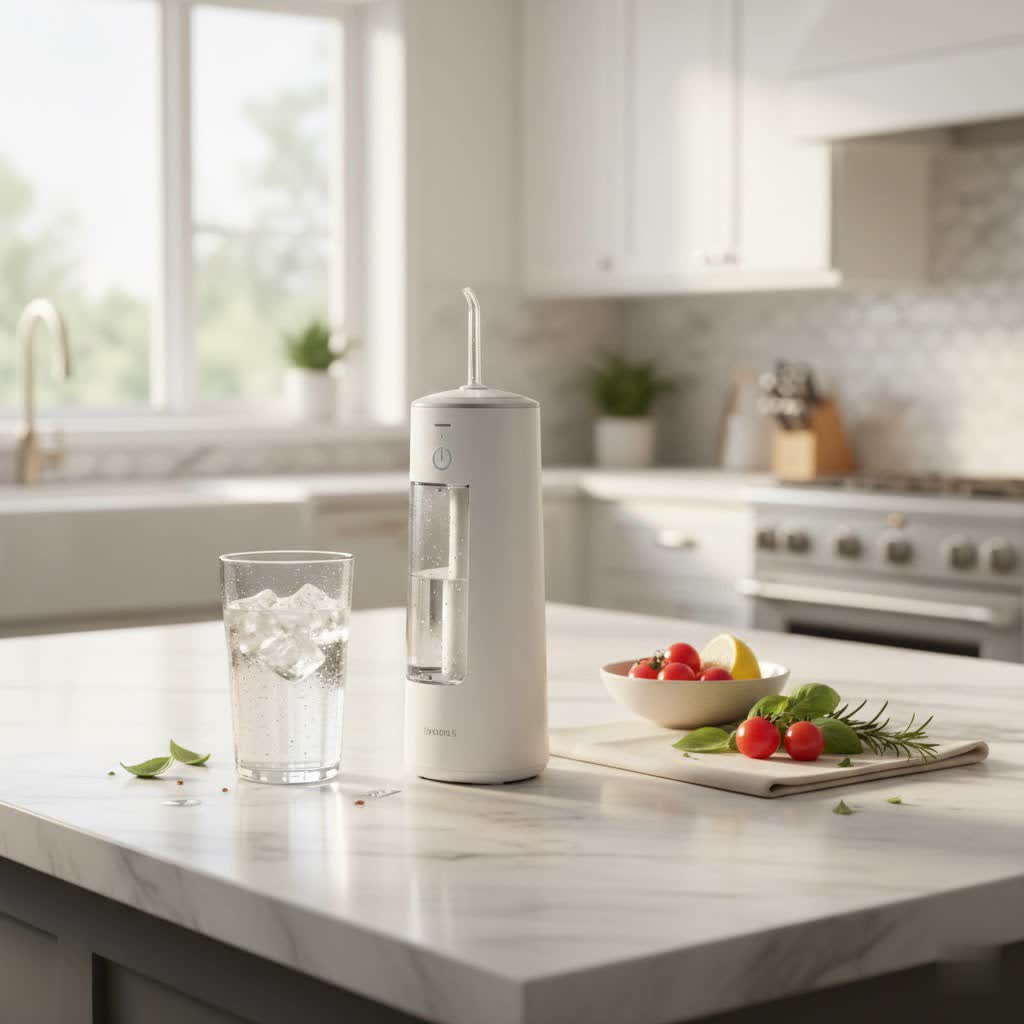
What is a Water Flosser?
A water flosser, also known as an oral irrigator, is a dental hygiene device that uses a targeted stream of pulsating water to remove food particles, plaque, and bacteria from between teeth and along the gumline. Unlike traditional string floss, which relies on physical friction, water flossers use water pressure to dislodge debris, making the process less abrasive and often more comfortable. The fundamental principle involves a motor and pump that generate a pressurized water stream from a reservoir, directed through a specialized nozzle into the mouth.
The primary benefit of a water flosser compared to traditional string floss lies in its ability to clean effectively without the need for manual dexterity, which can be challenging for some individuals. It’s particularly adept at reaching deep into periodontal pockets and around dental work like braces, crowns, and implants, where string floss can struggle. Many users find water flossing to be a gentler experience, reducing the potential for gum irritation or bleeding often associated with improper string flossing techniques.
Types of Water Flossers
Water flossers come in various designs, each offering distinct advantages. Understanding the differences between popular types can help you choose the best device for your specific needs and lifestyle.
Countertop Water Flosser
Countertop models are typically larger units designed to sit on your bathroom counter. They feature a generous water reservoir, which means fewer refills during a single flossing session. These models often come with a wide range of pressure settings and multiple specialized tips, catering to diverse oral care needs.
- Pros:
- Larger water reservoir capacity, allowing for longer, uninterrupted flossing.
- More powerful and consistent water pressure.
- Numerous pressure settings for highly customizable cleaning.
- A wider variety of specialized tips for different dental conditions (e.g., orthodontic, periodontal, plaque seeker).
- Generally more durable and stable.
- Cons:
- Requires counter space and an electrical outlet.
- Less portable, not ideal for travel.
- Can be bulkier and heavier.
|
Our Picks for the Best Water Flosser in 2026
As an Amazon Associate I earn from qualifying purchases.
|
||
| Num | Product | Action |
|---|---|---|
| 1 | Waterpik Aquarius Water Flosser For Teeth Cleaning, Gums, Braces, Dental Care, Electric Power With 10 Settings, 7 Tips For Multiple Users And Needs, ADA Accepted, White WP-660, Packaging May Vary |

|
| 2 | COSLUS Portable Water Flosser for Teeth: 3 Modes & 6 Pressure Settings with Jet Mode Water Dental Pick for Orthodontic, Braces, Sensitive Gums, Compact for Travel, 300ML for Multiple Users, White C51 |
|
| 3 | COSLUS Portable Water Flosser for Teeth: 4 Modes & 5 Intensity Levels Professional Electric Dental Pick for Sensitive Gums, Braces & Orthodontic - Cordless for Travel Use, for Adults, BPA-Free, Pink |
|
| 4 | Waterpik Cordless Pulse Rechargeable Portable Water Flosser for Teeth, Gums, Braces Care and Travel with 2 Flossing Tips, Waterproof for Shower, ADA Accepted, WF-20 Blue, Packaging and Tips May Vary |
|
| 5 | Water Flosser, Water Dental Flosser Pick for Teeth, 300ML IPX7 Waterproof Oral Irrigator, 3 Modes 4 Replaceable Jet Tips, Professional Flossing Cleaning Picks for Home Travel Gums, Braces Care (Black) |
|
| 6 | OILSAO Electric Toothbrush with Water Flosser Combo, All in One Sonic Toothbrush with 3 Modes & 5 Flossing Speeds, Rechargeable & Portable for Adult Teeth Cleaning and Plaque Removal,Pearl White |
|
| 7 | Onlyone Rechargeable Cordless Water Flosser with Adjustable Water Pressure for Daily Oral Care, Power Dental Flosser for Home and Travel Use, Portable Oral Irrigator for Sensitive Gums and Braces Care |
|
| 8 | Benhip Water Flosser with Electric Toothbrush – 3 Sonic Toothbrush Modes & 5 Water Flossing Pressure – Fast Charging & IPX7 Waterproof – Portable Travel Case Included |
|
| 9 | COSLUS Water Dental Flosser Teeth Pick: Portable Cordless Oral Irrigator 300ML Rechargeable Travel Irrigation Cleaner IPX7 Waterproof Electric Flossing Machine for Teeth Cleaning C20(F5020E) |
|
| 10 | Bitvae Water Dental Flosser for Teeth, Cordless Water Teeth Cleaner Picks, 3 Modes 5 Intensities, IPX7 Waterproof, Rechargeable Water Dental Picks for Cleaning - Black |
|
Cordless/Rechargeable Water Flosser
Cordless water flossers are handheld, battery-operated devices designed for portability and convenience. Their compact size makes them ideal for smaller bathrooms, travel, or for those who prefer the flexibility of not being tethered to an outlet.
- Pros:
- Highly portable and travel-friendly.
- Doesn’t require an outlet during use, offering greater flexibility.
- Space-saving design, perfect for small bathrooms.
- Can often be used in the shower for mess-free flossing (if waterproof).
- Cons:
- Smaller water reservoir, requiring more frequent refills.
- Generally less powerful than countertop models, though many offer effective pressure.
- Battery needs regular recharging.
- Fewer pressure settings and tip options compared to countertop units.
Which Type is Right for You?
The choice between a countertop and a cordless water flosser depends on your priorities. If you value consistent power, extensive customization, and don’t mind dedicating counter space, a countertop model like the Waterpik Aquarius might be your best bet. However, if portability, ease of handling, and a compact design are crucial, a cordless option such as the Philips Sonicare Cordless Power Flosser 3000 or the Quip Rechargeable Cordless Water Flosser could be more suitable. Many users find cordless models, especially waterproof ones, particularly convenient for integrating into their shower routine, simplifying the flossing process and encouraging consistency.
Water Flosser Buying Guide
Choosing the right water flosser involves considering several factors to ensure it meets your specific oral health needs and preferences. With numerous models on the market, understanding key features can help you make an informed decision.
Key Factors to Consider
- Water Pressure: Look for models with adjustable pressure settings. Starting with a lower setting and gradually increasing it allows your gums to adapt and prevents discomfort. A range of settings, typically from 1 to 10, ensures versatility for different areas of your mouth and sensitivities.
- Reservoir Capacity: The size of the water tank directly impacts how long you can floss without refilling. Countertop models usually offer larger reservoirs (e.g., 22 ounces for the Waterpik Aquarius), providing up to 90 seconds of continuous flossing, while cordless units have smaller tanks (e.g., 4-10 ounces), often requiring refills during a full session.
- Number and Type of Nozzles: Different tips are designed for specific purposes. Common types include:
- Classic Jet Tip: Standard for general cleaning.
- Orthodontic Tip: Designed for cleaning around braces.
- Plaque Seeker Tip: Effective for implants, crowns, and bridges.
- Pik Pocket Tip: For gentle delivery of medication into periodontal pockets.
- Quad Stream Nozzle: Unique to Philips Sonicare, designed to cover more tooth surface area with X-shaped water streams.
The ability to swap out tips is crucial for customized cleaning and for multiple users sharing a single device.
- Modes: Beyond continuous stream, some water flossers offer additional modes like “massage” for gum stimulation, “pulse” for targeted cleaning, or “deep clean” for enhanced plaque removal.
- Noise Level: While not always listed, user reviews often highlight the operational noise. Quieter models contribute to a more pleasant user experience.
- Size and Weight: Especially important for cordless models and those with limited counter space. Consider the footprint of countertop units and the ergonomics of handheld devices for comfortable maneuvering.
- Battery Life (for Cordless Models): A long battery life means less frequent charging, increasing convenience. Some offer weeks of use on a single charge.
- Price: Water flossers range widely in price. Determine your budget and balance it with the features you need. More advanced models with smart features or combo units will naturally be at a higher price point.
- ADA Seal of Acceptance: Products with the American Dental Association (ADA) Seal of Acceptance have been evaluated for safety and effectiveness. Waterpik, Philips Sonicare, and Quip are brands that have received this seal.
Reputable Brands
Several brands consistently receive high marks for their water flossers, known for innovation, effectiveness, and reliability:
- Waterpik: Often considered the gold standard, Waterpik offers a wide range of countertop and cordless models, many with the ADA Seal of Acceptance. Their Aquarius model is a perennial favorite for its performance and value.
- Philips Sonicare: Known for innovative features like the Quad Stream nozzle, Philips Sonicare provides effective and user-friendly water flossers, including excellent cordless options.
- Quip: Focuses on minimalist design and ease of use, making their cordless water flossers great for beginners and those seeking simplicity. They also hold the ADA Seal.
- Burst: Recommended for those with sensitive gums, offering a gentle yet effective clean with multiple pressure settings.
- Oral-B: Offers models with customizable pressure and nozzle options, providing effective cleaning for a variety of needs.
- Aquasonic: Provides budget-friendly yet effective cordless options, often praised for their ergonomic design.
Comparison of Best Water Flosser Models
To help you navigate the options, here’s a detailed comparison of some of the top-rated water flosser models, highlighting their key specifications and suitability for different users.
| Model | Type | Reservoir Size (ounces/mL) | Pressure Settings | Nozzle Types | Key Features | Price Range | Best For |
|---|---|---|---|---|---|---|---|
| Waterpik Aquarius Water Flosser | Countertop | 22 oz (650 mL) | 10 | 7 | Built-in timer, massage mode, ADA Accepted | $70-$90 | Overall, comprehensive cleaning |
| Philips Sonicare Cordless Power Flosser 3000 | Cordless | 8.5 oz (250 mL) | 3 | 2 (Quad Stream & Standard) | Quad Stream nozzle, Deep Clean mode, ADA Accepted | $70-$90 | General use, sensitive gums, beginners |
| Waterpik Sonic Fusion Toothbrush & Flosser Combo | Countertop | 16 oz (470 mL) | 10 | 2 (brush heads) | Brush & floss simultaneously, compact for a combo unit, ADA Accepted | $180-$200 | All-in-one oral care, saving time |
| Philips Sonicare Power Flosser 5000 | Countertop | 18.6 oz (550 mL) | 10 | 3 | “Clean” and “Deep Clean” modes, magnetic dock, ideal for braces | $90-$110 | Braces, deep cleaning |
| Quip Rechargeable Cordless Water Flosser | Cordless | 5 oz (150 mL) | 2 | 1 | Minimalist design, easy to use, long battery life, ADA Accepted | $70-$80 | Beginners, travel |
| Burst Water Flosser | Cordless | 4 oz (120 mL) | 3 | 1 | Waterproof (shower-friendly), gentle yet effective, 80-day battery | $60-$80 | Sensitive gums, portability |
| Aquasonic Aqua Flosser | Cordless | 5 oz (150 mL) | 3 | 4 | Budget-friendly, ergonomic design, pulse mode | $30-$50 | Budget, general cordless use |
Note: Prices are approximate and may vary.
This table highlights that while countertop models like the Waterpik Aquarius offer the most features and largest reservoirs for thorough cleaning, cordless options such as the Philips Sonicare Cordless Power Flosser 3000 provide excellent portability and specialized nozzles like the Quad Stream tip for an effective clean. For those seeking a two-in-one solution, the Waterpik Sonic Fusion integrates brushing and flossing seamlessly.
How to Use a Water Flosser Correctly
Using a water flosser effectively can significantly improve your oral hygiene. While it might seem intimidating at first, mastering the technique is straightforward with a few simple steps.
Preparation Before Use
- Fill the Reservoir: Detach the water reservoir from the base (or open the filling port for cordless models) and fill it with lukewarm water. You can also add a small amount of dentist-recommended mouthwash if desired. Ensure the reservoir is securely reattached.
- Select the Right Tip: Choose the appropriate nozzle for your needs (e.g., standard, orthodontic, plaque seeker) and firmly insert it into the handle.
- Adjust Pressure Setting: If you’re new to water flossing or have sensitive gums, start with the lowest pressure setting. You can gradually increase it as you become more comfortable.
Steps to Use Your Water Flosser
- Lean Over the Sink: Position yourself over a sink to allow the water to flow out of your mouth naturally, preventing splashes and mess. For waterproof cordless models, consider using it in the shower.
- Place Tip in Mouth: Place the tip of the nozzle inside your mouth, aiming it just above your gumline. Close your lips partially around the nozzle to prevent excessive splashing, but allow water to flow out freely.
- Turn On the Device: Power on your water flosser.
- Aim at Gumline: Direct the water stream at a 90-degree angle to your gumline. Start with your back teeth and work your way forward.
- Clean Between Teeth: Trace the gumline, pausing briefly between each tooth. Make sure to clean both the front and back surfaces of your teeth. For best results, visualize dividing your mouth into four quadrants and spend about 15-20 seconds on each. Many water flossers, like the Waterpik Aquarius, even have built-in timers that pause at 30 and 60 seconds to guide your session.
- Work Around Dental Work: If you have braces, implants, or crowns, use specific tips (like an orthodontic tip) and take extra time to thoroughly clean around these areas.
- Turn Off and Empty: Once you’ve cleaned all areas of your mouth, turn off the device and empty any remaining water from the reservoir to prevent bacterial growth.
Tips for Best Results
- Consistency is Key: Use your water flosser at least once a day, preferably after brushing, to maximize its benefits.
- Warm Water: Using lukewarm water makes the experience more comfortable, especially for sensitive teeth.
- Don’t Rush: Take your time with each tooth. A typical session should last about one to two minutes for a thorough clean.
- Replace Tips Regularly: Replace your water flosser tips every 3 to 6 months, or as recommended by the manufacturer, to ensure optimal performance and hygiene.
- Combine with Brushing: Remember that a water flosser is an adjunct to brushing, not a replacement. Always brush your teeth thoroughly before water flossing.
Cleaning and Maintenance
Regular cleaning and maintenance will extend the life of your water flosser and ensure hygienic use:
- Empty and Dry: After each use, empty the reservoir and dry it to prevent mildew and bacterial growth.
- Clean the Handle and Nozzle: Rinse the handle and nozzle thoroughly under running water.
- Deep Clean Periodically: Every few weeks, you can deep clean the reservoir and internal components. Many manufacturers recommend running a solution of water and white vinegar through the unit to remove mineral deposits.
Benefits of Water Flossing for Oral Health
Incorporating a water flosser into your daily routine offers a myriad of benefits that extend beyond what traditional brushing alone can achieve, significantly improving your overall oral health.
- Removes Plaque and Bacteria More Effectively: Water flossers are highly efficient at dislodging plaque and food debris from between teeth and below the gumline. Studies indicate that using a water flosser in conjunction with a manual toothbrush can be 29% more effective at removing plaque, especially in areas difficult to reach with string floss. The pulsating water stream reaches into crevices and pockets, flushing out harmful bacteria that contribute to dental problems.
- Prevents Cavities and Gingivitis: By thoroughly removing plaque and food particles, water flossers help prevent the accumulation of bacteria that lead to tooth decay and gingivitis, an early stage of gum disease characterized by inflammation and bleeding gums. Regular use reduces the risk of these common oral health issues.
- Improves Gum Health: The gentle massage action of the water stream stimulates gum tissue, promoting healthy blood circulation. This can lead to reduced gum inflammation, less bleeding, and overall stronger, healthier gums. Dr. Cheryline Pezzullo, Director for Community-based Programs at NYU College of Dentistry, suggests that you can tell your water flossing routine is working by observing healthier gums and reduced bleeding.
- Cleans Hard-to-Reach Areas: For individuals with crowded teeth, dental bridges, crowns, or implants, cleaning effectively with string floss can be challenging. Water flossers excel at navigating these complex areas, ensuring that all surfaces are cleaned thoroughly. Specialized tips, such as orthodontic tips for braces, further enhance this capability.
- Ideal for Orthodontic Patients: Braces create numerous traps for food particles and plaque. Water flossers are invaluable for those with braces, as the water stream can easily clean around wires and brackets, preventing plaque buildup and reducing the risk of decalcification and gum inflammation during orthodontic treatment.
- Beneficial for Periodontal Disease: For individuals with periodontal pockets (spaces between teeth and gums), water flossers, especially with Pik Pocket tips, can deliver water or antimicrobial rinses deeper into these areas, helping to manage and improve the condition.
The convenience and comfort offered by water flossers often lead to better compliance with daily flossing routines, translating into sustained improvements in oral hygiene.
Considerations When Using a Water Flosser
While water flossers offer significant benefits for oral health, it’s important to understand their role and how to use them safely and effectively.
- Not a Replacement for Brushing: A water flosser is an excellent addition to your oral hygiene routine, but it should not replace brushing. Brushing with a toothbrush and fluoride toothpaste removes plaque and food debris from the surfaces of your teeth, while a water flosser cleans between teeth and below the gumline. Both are crucial for comprehensive oral care. As Dr. Ghias Jabbour, owner of Blanco Crossing Dental, states, “There’s nothing that could replace a manual floss going under the gum. So that’s still the gold standard, and we should use the water flosser as an adjunct to that.”
- Adjust Water Pressure Appropriately: Always start with the lowest pressure setting and gradually increase it to a comfortable level. Using a setting that is too high, especially initially, can cause gum irritation or sensitivity. While Dr. Michele Bishop, founder of Ingram Hills Dental, notes that water flossers cannot damage the structure of your teeth or gums because it’s just water, they may cause mild irritation or bleeding initially, similar to traditional flossing, if the gum tissue is inflamed. This usually subsides as gum health improves.
- Practice Makes Perfect: It might take a few uses to get accustomed to the technique of water flossing. Don’t be discouraged if it feels a bit messy or awkward at first. Leaning over the sink or using a waterproof model in the shower can help manage the water spray.
- Consult Your Dentist: If you have specific dental concerns, such as advanced gum disease, significant gum recession, or very sensitive teeth, consult your dentist or dental hygienist. They can provide personalized recommendations on the best type of water flosser for you and guide you on the most effective usage techniques. Regular dental check-ups will also help your dentist assess the effectiveness of your water flossing routine.
Conclusion
Embracing a water flosser can be a game-changer for your oral health, offering an effective and often more comfortable way to clean between teeth and along the gumline. From robust countertop models with extensive features to compact cordless options perfect for travel, there’s a water flosser designed for every need and lifestyle. By considering factors like water pressure, reservoir capacity, and nozzle types, you can select a device that perfectly complements your existing dental care routine.
Regular water flossing, alongside consistent brushing, is a powerful combination for removing stubborn plaque, preventing cavities, and nurturing healthier gums. It’s an investment in a brighter, healthier smile that pays dividends through improved oral hygiene and confidence. Are you ready to discover the transformative benefits of a water flosser for yourself?
Frequently Asked Questions
Can a water flosser replace traditional string floss?
While highly effective, a water flosser should be considered a complementary tool rather than a complete replacement for string floss. Water flossers excel at flushing out debris and plaque, especially around dental work, but many dental professionals still recommend string floss for its ability to physically scrape plaque from tooth surfaces and below the gumline.
How often should I use my water flosser?
For optimal oral health, it is recommended to use your water flosser at least once a day, ideally after brushing your teeth. Consistency is key to effectively removing food particles and plaque, preventing gum disease, and maintaining a clean mouth.
Is water flossing safe for sensitive gums?
Yes, water flossing can be very safe and even beneficial for sensitive gums. Most water flossers offer multiple pressure settings, allowing you to start with a gentle stream and gradually increase it as your gums become accustomed. Models like the Burst Water Flosser are specifically praised for their effective yet gentle cleaning.
Can children use water flossers?
Yes, children can use water flossers, especially those with braces or difficulty with string floss. It’s advisable to start with the lowest pressure setting and supervise them to ensure proper technique and safety. Some models, like the Waterpik Aquarius, have handles that are suitable for smaller hands.
How do I clean and maintain my water flosser?
After each use, empty any remaining water from the reservoir to prevent bacterial growth and mold. Periodically, clean the reservoir, handle, and tips with warm, soapy water. For a deeper clean, run a mixture of water and white vinegar through the unit to remove mineral deposits. Replace tips every 3 to 6 months.
What is the ADA Seal of Acceptance for water flossers?
The ADA Seal of Acceptance signifies that a dental product has met the American Dental Association’s stringent criteria for safety and effectiveness. For water flossers, this means the device has been scientifically evaluated and proven to help reduce plaque and gingivitis. Brands like Waterpik, Philips Sonicare, and Quip carry this seal.
