Embarking on a journey doesn’t mean compromising your oral hygiene. For many, maintaining a rigorous dental routine while away from home can be a challenge. That’s where a travel water flosser steps in, offering a compact yet powerful solution to keep your teeth and gums pristine, no matter where your adventures take you. But with a myriad of options available, how do you choose the right one for your travel needs? This comprehensive guide will help you navigate the world of portable water flossers, ensuring you pick a device that’s as ready for adventure as you are.
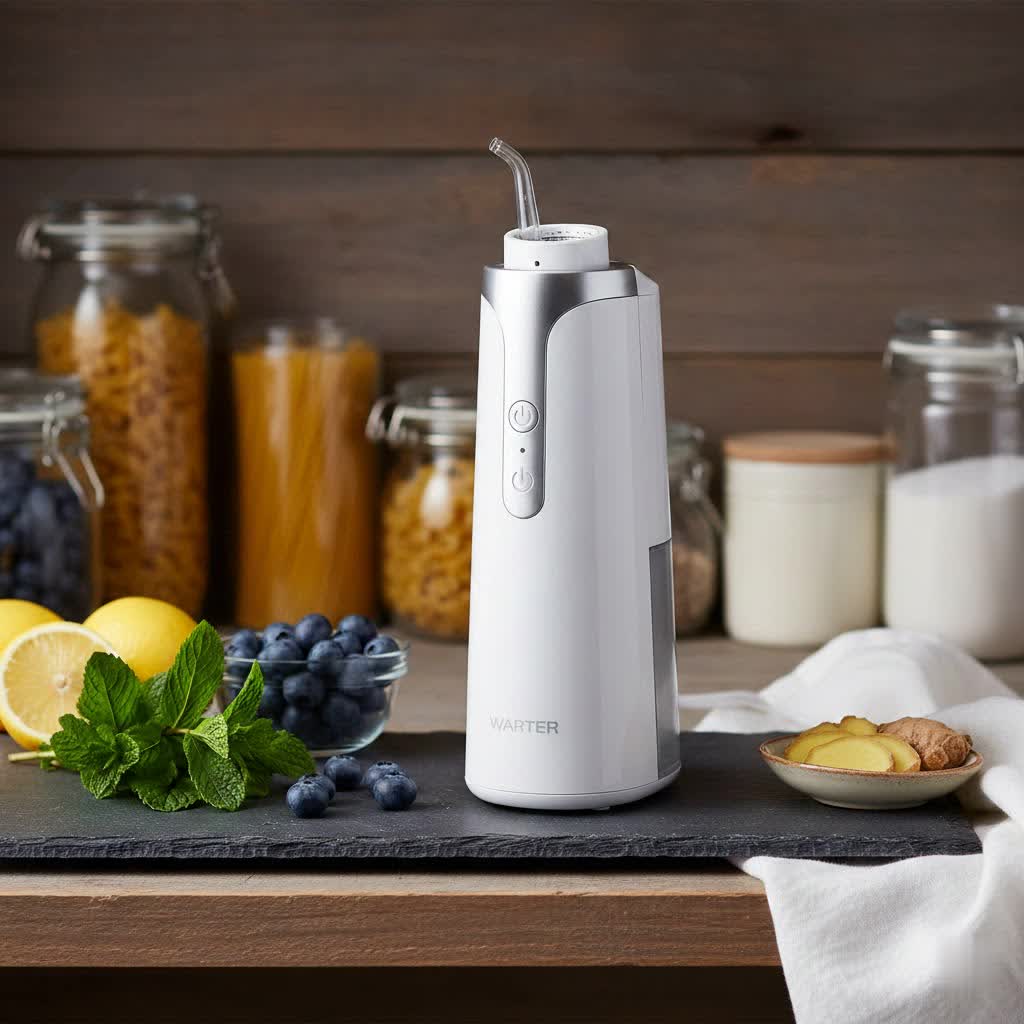
What is a Water Flosser and Why is it Essential for Travelers?
A water flosser, also known as an oral irrigator, is a handheld device that directs a stream of pulsating water between your teeth and along your gumline. This high-pressure stream effectively dislodges food particles, plaque, and bacteria that traditional brushing might miss. It’s a convenient and enjoyable alternative to traditional dental floss, proving particularly beneficial for individuals with braces, implants, crowns, or bridges, where cleaning can be especially challenging. For travelers, a water flosser is a game-changer. It offers a superior clean that string floss often can’t replicate, reaching deep into crevices to prevent cavities and gum disease. Its ease of use means you’re more likely to stick to your routine, even when jet-lagged or in unfamiliar surroundings.
Countertop vs. Cordless: Choosing Your Travel Companion
Water flossers typically come in two main types: countertop and cordless. While countertop models are robust and offer larger water reservoirs and more powerful pressure settings (often up to 100 PSI or more), their bulky size, corded operation, and need for a power outlet make them unsuitable for travel.
For the globe-trotter, cordless water flossers are the undisputed champions. These compact, battery-operated devices are designed for portability and convenience. They are generally quieter and take up significantly less space than their countertop counterparts, making them easy to pack in a toiletry bag or carry-on. While they typically have smaller reservoirs (around 4-7 fluid ounces) and fewer pressure settings (usually 2-3 modes, ranging from 30-75 PSI), they still deliver effective cleaning, which is crucial for maintaining oral health on the move.
Key Features to Look for in a Travel Water Flosser (Buying Guide)
Selecting the perfect travel water flosser involves considering several factors to ensure it meets the unique demands of life on the road.
- Portability & Design: This is paramount for travel. Look for devices that are lightweight, compact, and ideally feature a collapsible or telescopic design. Models like the Waterpik Cordless Slide Professional are specifically engineered to reduce their footprint by up to 50%, making them incredibly easy to pack.
- Battery Life & Charging: A long-lasting battery is essential to avoid frequent recharging, especially when power outlets are scarce. Many cordless models offer weeks of use on a single charge. Crucially, opt for a water flosser with universal charging capabilities, such as USB-C. This means you can often use the same charger as your phone, reducing the number of cables you need to carry and ensuring compatibility with international power adapters. Proprietary chargers can be a hassle if lost or forgotten.
- Water Reservoir Capacity: Travel water flossers strike a balance between a compact size and sufficient water for a single flossing session. While their tanks are smaller than countertop units, some (around 6-7 fluid ounces) can provide 45-65 seconds of continuous flossing. An easily detachable and wide-opening reservoir simplifies refilling and cleaning, which is beneficial when space is limited.
- Pressure Settings: While countertop models boast a wide range, 2-3 pressure settings are typically adequate for a travel water flosser. A “low” setting is ideal for sensitive gums or beginners, while a “high” setting offers a more powerful clean for everyday use. Look for a device that provides enough pressure (e.g., 45-75 PSI) to effectively dislodge debris without causing discomfort.
- Nozzle Types & Storage: Most travel water flossers come with at least one standard jet tip. Some include additional specialized tips for orthodontics or periodontal pockets. Consider if the device offers a 360-degree rotating tip for easy access to all areas of your mouth. Integrated tip storage within the device or a dedicated travel case for tips is a convenient bonus.
- Durability & Warranty: Travel can be tough on electronics. Invest in a durable water flosser from a reputable brand that offers a solid warranty (typically 1-3 years). This protects your investment against manufacturing defects.
- Ease of Use & Maintenance: Simple controls, a comfortable grip (especially when wet), and easy cleaning are vital for a device you’ll use daily. Models with easily detachable reservoirs allow for thorough drying, preventing mildew and odors.
- ADA Seal of Acceptance: The American Dental Association (ADA) Seal of Acceptance signifies that a product has been scientifically evaluated for safety and effectiveness. While not all good products carry it, it’s a strong indicator of quality and reliability. The Waterpik Cordless Advanced 2.0, for instance, holds this prestigious seal.
Top Travel Water Flossers: A Detailed Comparison
Here’s a look at some of the best travel water flossers, highlighting their key features, pros, and cons to help you make an informed decision:
| Model | Key Travel Features | Reservoir Size (fl oz) | Pressure Settings | Battery Life (approx.) | Pros | Cons |
|---|---|---|---|---|---|---|
| Waterpik Cordless Slide Professional | Collapsible design, USB-C charging, easy to drain | 6 | 3 (50-80 PSI) | Excellent | Extremely compact (50% smaller when collapsed), USB-C charging, easy to dry/clean, effective cleaning. | Nozzle not easily rotatable, smaller tank may require refilling mid-session. |
| Waterpik Cordless Advanced 2.0 | Ergonomic, waterproof, travel pouch included | 7 | 3 (45-75 PSI) | 4-6 weeks | Ergonomic and comfortable to hold, waterproof (shower-safe), good pressure range, ADA accepted, travel accessories. | Reservoir difficult to remove for cleaning, uses proprietary magnetic charger, still somewhat bulky compared to the Slide. |
| Quip Rechargeable Cordless Water Flosser | Sleek, compact, USB charging, tip storage in reservoir | 5.1 | 2 (powerful) | Good | Aesthetically pleasing, USB charging, tip stores in reservoir, powerful clean, simple to use. | Not ideal for sensitive gums (limited settings), tip difficult to rotate, non-ergonomic handle, 1-year warranty, no ADA seal. |
| Bitvae C5 | Good value, decent features | (Larger for cordless) | (Multiple) | (Good) | Very affordable, comparable performance to premium brands, large tank for a cordless, multiple nozzles. | 1-year warranty, uses barrel pin charging (not USB-C), no travel case, newer brand with less established support. |
How to Effectively Use Your Travel Water Flosser
Using a travel water flosser correctly ensures maximum effectiveness and a refreshing clean:
- Fill the Reservoir: Detach the reservoir and fill it with lukewarm water. Some travelers prefer to add a small amount of mouthwash for extra freshness.
- Attach the Tip: Securely attach your chosen flosser tip to the handle.
- Adjust Pressure: If you’re new to water flossing or have sensitive gums, start with the lowest pressure setting. You can gradually increase it as you get comfortable.
- Position Yourself: Lean over a sink. Place the flosser tip into your mouth, closing your lips enough to prevent splashing, but allowing water to flow into the sink.
- Floss Your Teeth: Turn on the device. Direct the water stream at a 90-degree angle to your gumline. Work your way around each tooth, both on the inside and outside surfaces, following the gumline with a gentle, scalloping motion. Don’t rush; allow the water to thoroughly clean each area.
- Optimal Timing: The ideal time to water floss, much like traditional flossing, is at night, before bed. This helps remove food particles and bacteria that could otherwise proliferate overnight.
- Cleaning and Maintenance: After each use, empty any remaining water from the reservoir and air dry it to prevent mold and mildew growth. Some models, like the Waterpik Cordless Slide, can be easily dismantled for thorough drying, which is a great feature for travelers needing to pack their device soon after use. Clean the tips regularly according to manufacturer instructions.
The Unmissable Benefits of Water Flossing for Travelers
Incorporating a travel water flosser into your routine offers numerous benefits, especially when you’re away from home:
- Superior Plaque and Bacteria Removal: The pulsating water stream reaches areas that toothbrushes and traditional floss often miss, like deep pockets and around orthodontic appliances, effectively removing harmful plaque and bacteria.
- Improved Gum Health: Regular water flossing can significantly reduce gum inflammation and bleeding, leading to healthier gums overall.
- Convenience for Special Dental Needs: For individuals with braces, implants, crowns, or bridges, a water flosser makes cleaning around dental work much easier and more effective, preventing complications while traveling.
- Fresher Breath: By eliminating food debris and bacteria, water flossing helps combat bad breath, ensuring you feel confident and fresh throughout your journey.
- Motivation and Comfort: Many find water flossing more comfortable and enjoyable than string flossing, increasing adherence to their oral hygiene routine, even when faced with the challenges of travel.
Important Considerations When Using a Travel Water Flosser
While travel water flossers are incredibly beneficial, keep these points in mind:
- Not a Substitute for Brushing: A water flosser is an adjunct to, not a replacement for, brushing your teeth twice daily. Always brush before or after water flossing for comprehensive cleaning.
- Adjust Pressure Appropriately: Start with a low-pressure setting and gradually increase it. Using too high a pressure, especially with sensitive gums or certain dental conditions, can cause discomfort or even damage.
- Consult Your Dentist: If you’ve recently undergone oral surgery, have advanced gum disease with pocketing, or have loose teeth, consult your dentist before using a water flosser to ensure it’s safe for your specific condition.
- Mid-Session Refills: Due to smaller reservoir sizes, you might need to refill your travel water flosser’s tank once or twice to complete a thorough cleaning session.
In conclusion, a travel water flosser is an indispensable tool for maintaining peak oral health while on the go. With careful consideration of portability, charging, reservoir size, and pressure settings, you can select a device that perfectly complements your travel lifestyle. Embrace the convenience and effectiveness of these compact powerhouses, and ensure your smile remains bright and healthy, no matter where your next adventure takes you. Which feature will be your priority when choosing your next travel oral irrigator?
Frequently Asked Questions (FAQ)
Can I take my water flosser on a plane?
|
Our Picks for the Best Water Flosser in 2026
As an Amazon Associate I earn from qualifying purchases.
|
||
| Num | Product | Action |
|---|---|---|
| 1 | COSLUS Portable Water Flosser for Teeth: 3 Modes & 6 Pressure Settings with Jet Mode Water Dental Pick for Orthodontic, Braces, Sensitive Gums, Compact for Travel, 300ML for Multiple Users, White C51 |

|
| 2 | Waterpik Aquarius Water Flosser For Teeth Cleaning, Gums, Braces, Dental Care, Electric Power With 10 Settings, 7 Tips For Multiple Users And Needs, ADA Accepted, White WP-660, Packaging May Vary |
|
| 3 | Waterpik Cordless Pulse Rechargeable Portable Water Flosser for Teeth, Gums, Braces Care and Travel with 2 Flossing Tips, Waterproof for Shower, ADA Accepted, WF-20 Blue, Packaging and Tips May Vary |
|
| 4 | OILSAO Electric Toothbrush with Water Flosser Combo, All in One Sonic Toothbrush with 3 Modes & 5 Flossing Speeds, Rechargeable & Portable for Adult Teeth Cleaning and Plaque Removal,Pearl White |
|
| 5 | COSLUS Portable Water Flosser for Teeth: 4 Modes & 5 Intensity Levels Professional Electric Dental Pick for Sensitive Gums, Braces & Orthodontic - Cordless for Travel Use, for Adults, BPA-Free, Pink |
|
| 6 | COSLUS Water Dental Flosser Teeth Pick: Portable Cordless Oral Irrigator 300ML Rechargeable Travel Irrigation Cleaner IPX7 Waterproof Electric Flossing Machine for Teeth Cleaning C20(F5020E) |
|
| 7 | Onlyone Rechargeable Cordless Water Flosser with Adjustable Water Pressure for Daily Oral Care, Power Dental Flosser for Home and Travel Use, Portable Oral Irrigator for Sensitive Gums and Braces Care |
|
| 8 | Bitvae Water Dental Flosser for Teeth, Cordless Water Teeth Cleaner Picks, 3 Modes 5 Intensities, IPX7 Waterproof, Rechargeable Water Dental Picks for Cleaning - Black |
|
| 9 | Benhip Water Flosser with Electric Toothbrush – 3 Sonic Toothbrush Modes & 5 Water Flossing Pressure – Fast Charging & IPX7 Waterproof – Portable Travel Case Included |
|
| 10 | Water Flosser, Water Dental Flosser Pick for Teeth, 300ML IPX7 Waterproof Oral Irrigator, 3 Modes 4 Replaceable Jet Tips, Professional Flossing Cleaning Picks for Home Travel Gums, Braces Care (Black) |
|
Yes, most travel water flossers are safe to carry on or check in. If it has a lithium-ion battery, it’s generally recommended to keep it in your carry-on luggage. Ensure the reservoir is completely empty before packing to avoid leaks.
How often should I use a travel water flosser?
For optimal oral health, it’s recommended to use your travel water flosser at least once a day, preferably at night, in addition to your regular brushing routine.
What water can I use in my travel water flosser?
You can typically use tap water in your water flosser. If you’re in an area with questionable tap water quality, bottled or distilled water is a safer alternative. Ensure the water is lukewarm for comfort.
Are travel water flossers as effective as full-sized ones?
While travel water flossers often have smaller reservoirs and fewer pressure settings, they are still highly effective at removing plaque and food debris when used correctly. The key is consistent use and proper technique.
How do I clean my travel water flosser?
After each use, empty the reservoir and air dry it thoroughly to prevent mildew. For deeper cleaning, some models allow the reservoir to be detached and washed. Occasionally, you can run a solution of vinegar and water through the device to remove mineral buildup.
