Are you seeking a powerful upgrade to your daily oral care routine? Beyond traditional brushing and string flossing, a water flosser can revolutionize how you maintain your smile, reaching areas often missed and promoting exceptional gum health. Whether you’re dealing with braces, implants, or simply aiming for a deeper clean, understanding the world of water flossers is the first step toward a healthier mouth. This comprehensive guide will explore everything you need to know, from how these devices work to choosing the perfect model for your needs and mastering proper usage.
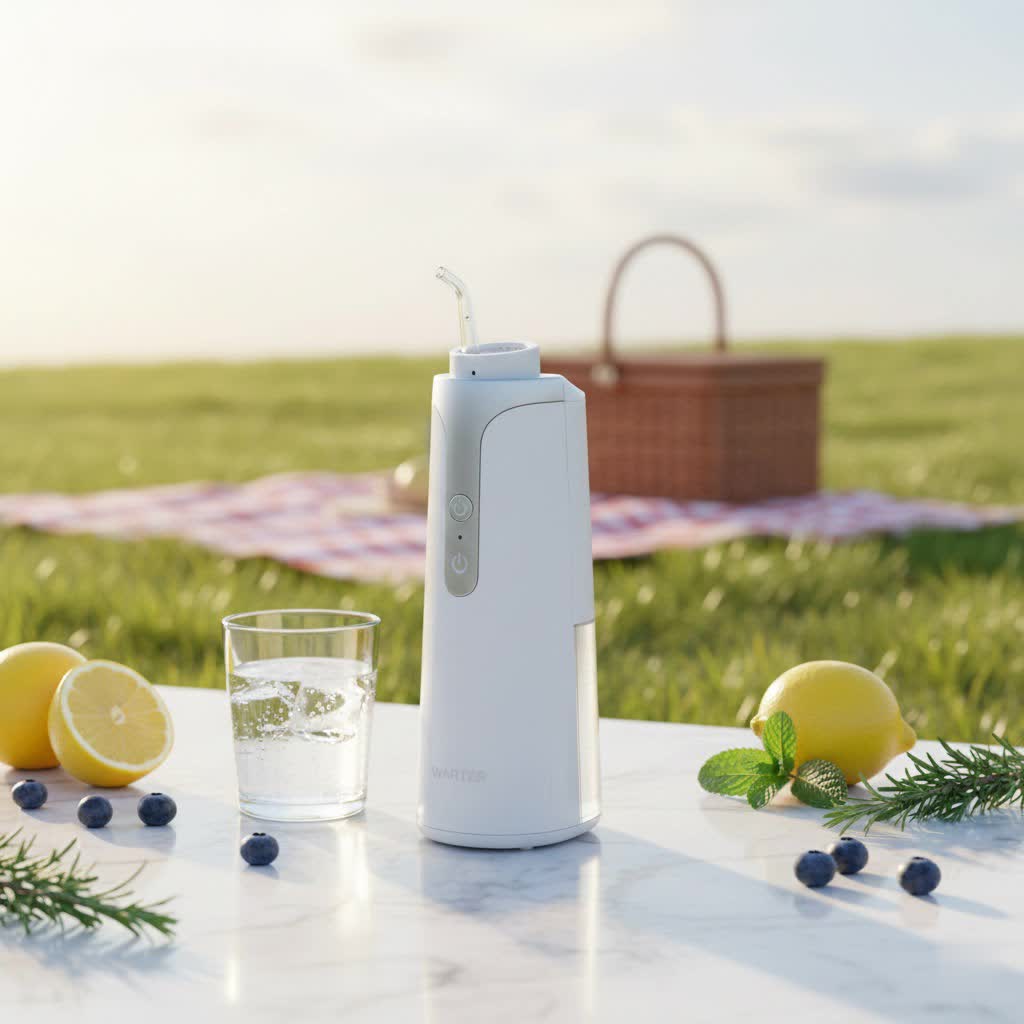
What is a Water Flosser?
A water flosser, also known as an oral irrigator or dental water jet, is an innovative device that uses a stream of pressurized water to clean between your teeth and below the gumline. Unlike traditional string floss which physically scrapes away plaque, a water flosser effectively blasts away food particles, plaque, and bacteria with its pulsating water stream. This method is particularly effective for dislodging debris from hard-to-reach areas and for individuals who find string flossing challenging. While it’s an excellent addition to your oral hygiene regimen, it generally complements, rather than fully replaces, brushing and often string flossing, offering a unique cleansing action that contributes significantly to overall mouth health.
Types of Water Flossers
Water flossers come in several designs, each offering distinct advantages to suit different lifestyles and needs. Understanding these types will help you determine which best fits your daily routine.
Countertop Water Flossers
|
Our Picks for the Best Water Flosser in 2026
As an Amazon Associate I earn from qualifying purchases.
|
||
| Num | Product | Action |
|---|---|---|
| 1 | COSLUS Portable Water Flosser for Teeth: 4 Modes & 5 Intensity Levels Professional Electric Dental Pick for Sensitive Gums, Braces & Orthodontic - Cordless for Travel Use, for Adults, BPA-Free, Pink |

|
| 2 | Waterpik Cordless Pulse Rechargeable Portable Water Flosser for Teeth, Gums, Braces Care and Travel with 2 Flossing Tips, Waterproof for Shower, ADA Accepted, WF-20 Blue, Packaging and Tips May Vary |
|
| 3 | COSLUS Portable Water Flosser for Teeth: 3 Modes & 6 Pressure Settings with Jet Mode Water Dental Pick for Orthodontic, Braces, Sensitive Gums, Compact for Travel, 300ML for Multiple Users, White C51 |
|
| 4 | Benhip Water Flosser with Electric Toothbrush – 3 Sonic Toothbrush Modes & 5 Water Flossing Pressure – Fast Charging & IPX7 Waterproof – Portable Travel Case Included |
|
| 5 | Bitvae Water Dental Flosser for Teeth, Cordless Water Teeth Cleaner Picks, 3 Modes 5 Intensities, IPX7 Waterproof, Rechargeable Water Dental Picks for Cleaning - Black |
|
| 6 | OILSAO Electric Toothbrush with Water Flosser Combo, All in One Sonic Toothbrush with 3 Modes & 5 Flossing Speeds, Rechargeable & Portable for Adult Teeth Cleaning and Plaque Removal,Pearl White |
|
| 7 | COSLUS Water Dental Flosser Teeth Pick: Portable Cordless Oral Irrigator 300ML Rechargeable Travel Irrigation Cleaner IPX7 Waterproof Electric Flossing Machine for Teeth Cleaning C20(F5020E) |
|
| 8 | Onlyone Rechargeable Cordless Water Flosser with Adjustable Water Pressure for Daily Oral Care, Power Dental Flosser for Home and Travel Use, Portable Oral Irrigator for Sensitive Gums and Braces Care |
|
| 9 | Water Flosser, Water Dental Flosser Pick for Teeth, 300ML IPX7 Waterproof Oral Irrigator, 3 Modes 4 Replaceable Jet Tips, Professional Flossing Cleaning Picks for Home Travel Gums, Braces Care (Black) |
|
| 10 | Waterpik Aquarius Water Flosser For Teeth Cleaning, Gums, Braces, Dental Care, Electric Power With 10 Settings, 7 Tips For Multiple Users And Needs, ADA Accepted, White WP-660, Packaging May Vary |
|
These are typically larger units designed to sit on your bathroom counter. They feature a substantial water reservoir, allowing for longer flossing sessions without refilling. Countertop models usually offer a wider range of pressure settings, from gentle to intense, and often come with multiple specialized tips for various dental needs. Their consistent power and advanced features make them ideal for family use and for individuals seeking maximum performance and customization.
Cordless Water Flossers
Designed for portability and convenience, cordless water flossers are compact, battery-operated devices perfect for travel or smaller bathrooms. They have integrated, smaller reservoirs that might require refilling during a full flossing session. Many cordless models are shower-safe, offering flexibility in your routine. While they may have fewer pressure settings compared to their countertop counterparts, they provide an excellent solution for on-the-go cleaning and for those new to water flossing.
Water Flosser and Electric Toothbrush Combos
For ultimate convenience, some manufacturers offer integrated devices or “complete care” systems that combine an electric toothbrush with a water flosser. A prime example is the Waterpik Sonic-Fusion, which allows you to brush, water floss, or do both simultaneously using a single handle. Other “complete care” packages might include separate, yet complementary, electric toothbrushes and water flossers that share a charging base, simplifying countertop clutter. These combos are designed for individuals who want a streamlined oral care routine, offering a powerful, all-in-one solution for comprehensive cleaning.
How to Choose the Best Water Flosser for You (Buying Guide)
Selecting the right water flosser involves considering several factors to ensure it meets your specific oral health needs and preferences.
Key Factors to Consider
- Water Pressure Settings: Look for models with adjustable pressure settings. Beginners or those with sensitive gums should start with lower pressure and gradually increase it. Advanced users might prefer higher settings for a deeper clean.
- Reservoir Capacity: A larger reservoir means fewer refills during a single flossing session. Countertop models typically offer 90 seconds or more of continuous use, while cordless models average 30-45 seconds.
- Nozzle Types and Attachments: Different tips serve different purposes. Common types include:
- Classic Jet Tip: For general cleaning.
- Orthodontic Tip: Designed for cleaning around braces and orthodontic appliances.
- Plaque Seeker Tip: Ideal for implants, crowns, bridges, and veneers.
- Periodontal Tip: For reaching deep into periodontal pockets.
- Toothbrush Tip: Found on some combo devices for brushing and flossing simultaneously.
- Cleaning Modes: Beyond standard flossing, some devices offer massage modes for gum stimulation or pulse modes for targeted cleaning. Electric toothbrushes in combo units will have their own cleaning modes (e.g., clean, soft, massage).
- Noise Level: Some water flossers can be quite loud. If noise is a concern, look for models specifically marketed as quiet.
- Size, Weight, and Portability: Cordless models are lighter and more compact, making them excellent for travel. Countertop units require more space but offer greater stability and features.
- Battery Life (for cordless models): A long-lasting battery reduces the frequency of charging, which is particularly beneficial for travelers. Some models offer weeks or even months of use on a single charge.
- Price and Warranty: Water flossers vary widely in price. Consider your budget while also looking for a good warranty to protect your investment.
Top Brands and Models
Several reputable brands dominate the water flosser market, consistently receiving high ratings for performance and reliability. Waterpik is often synonymous with water flossers, offering a wide range of countertop (e.g., Waterpik Aquarius) and cordless models, along with their innovative Sonic-Fusion flossing toothbrushes. Philips Sonicare offers powerful water flossers (e.g., Power Flosser 7000) known for their QuadStream technology, creating four wide streams for comprehensive cleaning. Oral-B also provides advanced water flossers with Oxyjet technology for healthier gums. Other notable brands like Quip and Burst offer quality cordless options that emphasize portability and sleek design. When choosing, consider models that have received the American Dental Association (ADA) Seal of Acceptance, signifying they meet rigorous standards for safety and effectiveness.
Step-by-Step Guide to Using Your Water Flosser
Using a water flosser correctly is key to maximizing its benefits for your oral health.
Preparation Before Use
- Fill the Reservoir: Remove the reservoir and fill it with lukewarm water. You can also add a small amount of mouthwash if desired. Ensure it’s securely attached.
- Select a Tip: Choose the appropriate nozzle for your needs and securely insert it into the handle.
- Adjust Pressure: If you’re a first-time user or have sensitive gums, start with the lowest pressure setting and gradually increase it as you get comfortable.
Proper Usage Technique
- Lean Over the Sink: To minimize mess, lean over the sink, allowing the water to flow out of your mouth.
- Position the Tip: Place the tip of the flosser at a 90-degree angle to your gumline.
- Start Flossing: Turn the device on. Begin with your back teeth and work your way around, aiming the water stream at the gumline and pausing briefly between each tooth. Make sure to clean both the front and back surfaces of your teeth. Allow the water to run into the sink.
- Complete All Areas: Ensure you clean all areas, including the inside surfaces of your teeth and behind your last molars. Most water flossers provide enough water for a full 60-90 second clean.
Tips for Best Results
- Consistency is Key: Use your water flosser at least once a day, ideally before or after brushing.
- Don’t Rush: Take your time to ensure thorough cleaning of each tooth and gumline.
- Experiment with Pressure: Find the pressure setting that feels effective yet comfortable for you.
- Use Warm Water: Cold water can be uncomfortable for sensitive teeth.
- Target the Gumline: The most crucial area to clean is where your teeth meet your gums.
Cleaning and Maintenance
After each use, empty any remaining water from the reservoir to prevent bacterial growth. Rinse the reservoir and tip thoroughly. For some models, the reservoir is top-rack dishwasher safe. Regularly clean the handle and other components according to the manufacturer’s instructions.
The Transformative Benefits of Water Flossing for Your Oral Health
Incorporating a water flosser into your daily routine offers a multitude of advantages that go beyond what traditional brushing alone can achieve.
Superior Plaque and Bacteria Removal
Water flossers effectively dislodge and rinse away up to 99.9% of plaque and food debris from between teeth and below the gumline. The pulsating water stream reaches areas that toothbrushes and even string floss might miss, significantly reducing the buildup of harmful bacteria.
Preventing Cavities and Gum Disease
By thoroughly removing plaque and bacteria, water flossers play a crucial role in preventing tooth decay and the onset of gum diseases like gingivitis. Less plaque means a healthier oral environment and a reduced risk of inflammation and bleeding gums.
Enhancing Gum Health
The gentle massage action of the water stream stimulates gum tissue, promoting better circulation and overall gum health. This can lead to a reduction in gum sensitivity and inflammation, making your gums feel healthier and stronger.
Ideal for Specific Dental Needs
Water flossers are particularly beneficial for individuals with:
- Braces: The water stream effectively cleans around brackets and wires, making it easier to remove trapped food particles.
- Dental Implants, Crowns, and Bridges: Specialized tips can gently clean around and under dental work, helping to maintain their longevity and prevent peri-implantitis.
- Periodontal Pockets: For those with gum disease, specific tips can deliver water deep into periodontal pockets, flushing out bacteria.
Fresher Breath
Bad breath often originates from trapped food particles and bacteria. By effectively removing these culprits, a water flosser significantly contributes to fresher breath and improved overall oral hygiene.
Important Considerations and Best Practices
While water flossers are highly effective, it’s essential to integrate them wisely into your oral care routine.
Water Flossers as an Adjunct, Not a Replacement
It’s crucial to understand that a water flosser is generally considered a supplement to brushing and, for many, string flossing, not a complete replacement. While excellent at flushing debris, string floss still offers a unique mechanical scraping action to remove sticky plaque from tooth surfaces in tight contact areas. Most dental professionals recommend daily brushing, flossing (either string or water, or both), and regular dental check-ups for optimal oral health.
Adjusting Water Pressure
Always start with the lowest pressure setting and gradually increase it. Too high a pressure setting initially can cause gum irritation or discomfort, especially for sensitive gums or first-time users.
Consulting Your Dentist
If you have specific dental concerns, such as advanced gum disease, extensive dental work, or persistent sensitivity, consult your dentist or dental hygienist. They can provide personalized recommendations on whether a water flosser is right for you, which type to choose, and the best way to incorporate it into your routine. They may also suggest using specific antimicrobial rinses in your water flosser reservoir.
Conclusion
Embracing a water flosser is a significant step towards achieving superior oral hygiene and a brighter, healthier smile. These innovative devices offer a powerful and often more comfortable alternative or complement to traditional flossing, excelling at removing plaque, food particles, and bacteria from every nook and cranny of your mouth. With various types available, from convenient cordless models to feature-rich countertop units and even integrated toothbrush combos, there’s a perfect water flosser out there to suit every individual’s needs. By understanding its benefits and adopting proper usage, you can significantly enhance your gum health, prevent cavities, and ensure your smile remains vibrant. Isn’t it time to experience the next level of clean?
Frequently Asked Questions
Can a water flosser replace string floss?
While highly effective, many dental professionals recommend using a water flosser as an adjunct to string floss, not a complete replacement. Water flossers excel at flushing debris, but string floss provides a mechanical scraping action essential for removing sticky plaque from tight tooth surfaces. For optimal results, combining both methods is often recommended.
How often should I use a water flosser?
For best results, aim to use your water flosser at least once a day. Consistent daily use, preferably before or after brushing, is key to maintaining excellent oral hygiene and preventing plaque buildup and gum disease.
What kind of water should I use in my water flosser?
Always use lukewarm water in your water flosser. Cold water can be uncomfortable for sensitive teeth and gums. You can also add a small amount of non-alcoholic mouthwash to the reservoir for an extra boost of freshness and antimicrobial benefits.
Are water flossers good for sensitive gums?
Yes, water flossers can be excellent for sensitive gums. Many models offer multiple pressure settings, allowing you to start with a gentle stream and gradually increase it. The pulsating water stream can also be less abrasive than string floss, often providing a soothing massage effect to the gums.
How do I clean my water flosser?
To maintain hygiene and prevent bacterial growth, empty any remaining water from the reservoir after each use and rinse it thoroughly. Periodically, clean the reservoir and nozzle tips with warm soapy water, and some reservoirs are even dishwasher safe. Refer to your device’s manual for specific cleaning instructions and frequency.
