Maintaining optimal oral hygiene can often feel like a juggling act, especially with a busy lifestyle or specific dental challenges like braces, implants, or sensitive gums. While traditional string flossing has its place, many are seeking a more efficient, comfortable, and convenient solution. This is where the Waterpik cordless water flosser steps in, revolutionizing daily dental routines with its powerful yet gentle cleaning action. In this comprehensive guide, we’ll delve into everything you need to know about these innovative devices, from their fundamental benefits to choosing the perfect model and mastering its use for a healthier, brighter smile.
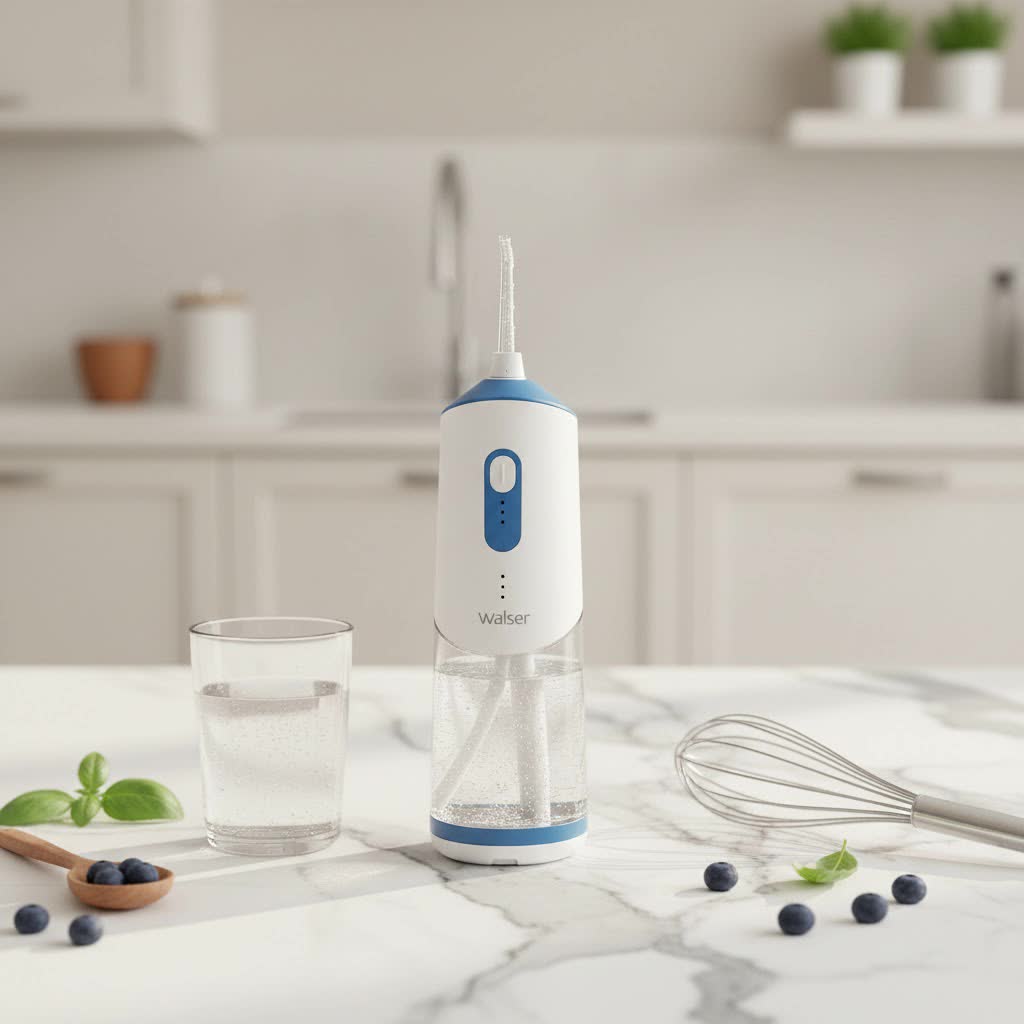
What is a Water Flosser?
At its core, a water flosser is an oral hygiene device that uses a stream of pulsating water to remove food particles, plaque, and bacteria from between teeth and below the gumline. Unlike manual string floss, which relies on physical friction, a water flosser employs hydropulse technology to clean these hard-to-reach areas. This method is not only highly effective but often preferred for its gentleness on gums, making it an excellent alternative for individuals with sensitive tissues, gum disease, or those prone to bleeding from traditional flossing. It acts as a powerful complement to brushing, ensuring a thorough clean that brushing alone cannot achieve, thereby preventing cavities, gingivitis, and other common dental issues.
Waterpik Cordless Water Flossers: Portability Meets Performance
Waterpik has long been synonymous with water flossing, and their cordless models specifically address the need for convenience and mobility. These compact, battery-powered devices are designed for an on-the-go lifestyle, providing the proven benefits of water flossing without being tethered to a power outlet.
The primary advantages of Waterpik cordless water flossers include their unparalleled portability, making them perfect for travel or for those with limited bathroom counter space. Many models are also waterproof, allowing for use in the shower, which can streamline your routine and minimize mess. While cordless units generally feature smaller water reservoirs and slightly lower water pressure compared to their countertop counterparts, the trade-off is often well worth it for the sheer ease of use and flexibility they offer. This makes them particularly appealing for individuals with dexterity issues, small children learning dental hygiene, or anyone who values a quick, efficient, and adaptable cleaning experience.
Popular Waterpik Cordless Models
Waterpik offers a range of cordless water flossers, each with unique features catering to different needs. Understanding the distinctions can help you select the best fit:
- Waterpik Cordless Advanced (WP-580 series): Often hailed as the best overall cordless water flosser, this model boasts an ergonomic design, is waterproof for shower use, and typically includes multiple tips and a magnetic charger for convenience. It’s praised for its quick charging and comfortable grip.
- Waterpik Cordless Select: A solid, all-around performer, the Cordless Select is compact with a grippy handle, offering two pressure settings and usually three different tips. It’s a good choice for those seeking simplicity and travel-friendliness.
- Waterpik Cordless Plus: This model is known for its ergonomic design, global voltage compatibility (great for international travel), four unique tips, and two pressure settings. Its 360-degree rotating tip handle allows for easy maneuverability, ensuring comprehensive cleaning.
- Waterpik Cordless Pulse/Enhance: Positioned as an affordable yet effective option, these models offer good value with two pressure settings and convenient USB-C charging. While the nozzle may not rotate as freely as on more advanced models, their comfortable grip and efficient cleaning make them popular.
- Waterpik Cordless Express: This is an exceptionally travel-friendly option, powered by replaceable AA batteries. While it might offer fewer features and slightly less power than rechargeable models, its independence from charging cords makes it ideal for true portability.
Choosing Your Ideal Waterpik Cordless Flosser: A Buying Guide
Selecting the right Waterpik cordless water flosser involves considering several key factors to match your specific oral care needs and lifestyle.
- Water Pressure Settings: The ability to adjust water pressure is crucial. Cordless models typically offer 2-3 settings, ranging from gentle (e.g., 45 PSI) for sensitive gums to a more powerful stream (e.g., 75 PSI) for deeper cleaning. Look for models that provide a comfortable yet effective range for you.
- Reservoir Capacity: Cordless flossers inherently have smaller reservoirs than countertop models, usually providing 30-90 seconds of flossing time. While this is often sufficient for a quick clean, you might need to refill it once or twice for a complete mouth-cleaning session. A removable reservoir is a plus for easy filling and cleaning.
- Nozzle Types & Quantity: Most Waterpik models come with standard “classic jet” tips. However, specialized tips are available for specific needs, such as orthodontic tips for braces, plaque seeker tips for implants and crowns, or Pik Pocket tips for periodontal pockets. Consider a model that includes or is compatible with the tips essential for your dental situation.
- Battery Life & Charging: Cordless units are powered by either rechargeable batteries (Lithium-ion or NiMH) or replaceable AA batteries. Rechargeable models offer convenience with multiple uses per charge (some lasting weeks), often featuring quick charging times (e.g., 4 hours) and modern charging methods like USB-C or magnetic chargers. AA-powered models are excellent for travel as they eliminate the need for an adapter or charging cable.
- Size, Weight, & Portability: The essence of a cordless flosser is its compact design. Consider how easily it fits in your hand, in your bathroom, and in your travel bag. Waterproof models allow for use in the shower, adding another layer of convenience and mess reduction.
- Noise Level: While water flossers aren’t silent, some models are quieter than others. Customer reviews often highlight noise levels, so if this is a concern, check feedback on specific models.
- Price & Warranty: Waterpik cordless flossers typically range from $50 to $100. Investing in a model with a good warranty can provide peace of mind.
- ADA Seal of Acceptance: The American Dental Association (ADA) Seal of Acceptance indicates that a product has been scientifically evaluated for safety and efficacy. Choosing an ADA-accepted Waterpik provides assurance of its effectiveness in removing plaque and improving gum health. As Dr. Jill Lasky, a pediatric dentist, notes, “Using a water flosser with the seal of acceptance has been proven to be as effective, if not more effective, than traditional flossing at removing plaque between teeth.”
How to Use Your Waterpik Cordless Flosser Effectively
Mastering the proper technique ensures you get the most out of your Waterpik cordless water flosser:
- Preparation: Fill the reservoir with lukewarm water. If desired, you can add a small amount of mouthwash. Select the appropriate tip and firmly insert it into the handle.
- Positioning: Lean over the sink. Place the tip in your mouth, starting with your back teeth. Keep your lips slightly parted to allow water to drain, preventing a build-up of pressure.
- Power On & Adjust: Turn the unit on, starting with the lowest pressure setting. Gradually increase the pressure to a comfortable yet effective level.
- Flossing Technique: Aim the tip at the gumline at a 90-degree angle. Move the tip along the gumline, pausing briefly between each tooth to allow the water to clean the interdental space and below the gumline. Work your way around both the inside and outside surfaces of your upper and lower teeth.
- Completion: Turn off the flosser, empty any remaining water from the reservoir, and store it properly.
Tips for Best Results:
- Daily Use: For optimal gum health and plaque removal, aim to water floss once a day, ideally at night before bed.
- Not a Replacement for Brushing: Always remember that water flossing complements brushing; it does not replace it. Brush your teeth thoroughly twice a day.
- Proper Angle: Maintaining the 90-degree angle to the gumline is key for effective cleaning.
- Maintenance: Regularly clean your reservoir to prevent mold or bacterial growth. Waterpik recommends replacing tips every 3-6 months, depending on the type and usage.
The Transformative Benefits of Cordless Water Flossing for Oral Health
Incorporating a Waterpik cordless water flosser into your daily routine can lead to significant improvements in your overall oral health.
- Superior Plaque & Debris Removal: The pulsating water stream effectively dislodges food particles and plaque from areas traditional brushing and flossing often miss, reaching deep into crevices and below the gumline. Research suggests water flossers can be up to three times more effective than string floss at reducing plaque.
- Gum Health Improvement: Regular use helps reduce gingivitis, inflammation, and bleeding gums. The gentle massage from the water jet also stimulates gum tissue, promoting healthier gums.
- Ideal for Specific Dental Needs: For individuals with braces, implants, crowns, bridges, or periodontal pockets, water flossers are a game-changer. They can clean around orthodontic wires and hardware much more effectively and comfortably than string floss, protecting your investment in dental work.
- Fresher Breath: By eliminating food debris and bacteria that cause bad breath, water flossing contributes to consistently fresher breath.
- Convenience & Motivation: Many users find water flossing easier and more enjoyable than traditional flossing, which can significantly boost consistency in their oral hygiene habits. “Waterpik is to water flossers what Kleenex is to tissues,” says Brooklyn-based dentist Dr. Elliot Eskenazi, highlighting the brand’s ubiquitous reputation for effective interdental cleaning.
Important Considerations and FAQs
While Waterpik cordless water flossers offer numerous benefits, it’s important to keep a few things in mind:
- Not a Substitute for Brushing: Water flossing enhances, but does not replace, regular toothbrushing.
- Adjust Pressure: Always start with the lowest pressure setting and gradually increase it to avoid gum irritation.
- Consult Your Dentist: If you have severe gum disease, recent oral surgery, or any other specific dental concerns, always consult your dentist or periodontist for personalized advice on water flosser usage.
- Learning Curve: It can take a few uses to get accustomed to the technique and avoid messiness. Leaning over the sink and starting with a lower pressure helps.
Frequently Asked Questions
|
Our Picks for the Best Water Flosser in 2026
As an Amazon Associate I earn from qualifying purchases.
|
||
| Num | Product | Action |
|---|---|---|
| 1 | COSLUS Water Dental Flosser Teeth Pick: Portable Cordless Oral Irrigator 300ML Rechargeable Travel Irrigation Cleaner IPX7 Waterproof Electric Flossing Machine for Teeth Cleaning C20(F5020E) |

|
| 2 | Onlyone Rechargeable Cordless Water Flosser with Adjustable Water Pressure for Daily Oral Care, Power Dental Flosser for Home and Travel Use, Portable Oral Irrigator for Sensitive Gums and Braces Care |
|
| 3 | Waterpik Aquarius Water Flosser For Teeth Cleaning, Gums, Braces, Dental Care, Electric Power With 10 Settings, 7 Tips For Multiple Users And Needs, ADA Accepted, White WP-660, Packaging May Vary |
|
| 4 | Benhip Water Flosser with Electric Toothbrush – 3 Sonic Toothbrush Modes & 5 Water Flossing Pressure – Fast Charging & IPX7 Waterproof – Portable Travel Case Included |
|
| 5 | COSLUS Portable Water Flosser for Teeth: 3 Modes & 6 Pressure Settings with Jet Mode Water Dental Pick for Orthodontic, Braces, Sensitive Gums, Compact for Travel, 300ML for Multiple Users, White C51 |
|
| 6 | Water Flosser, Water Dental Flosser Pick for Teeth, 300ML IPX7 Waterproof Oral Irrigator, 3 Modes 4 Replaceable Jet Tips, Professional Flossing Cleaning Picks for Home Travel Gums, Braces Care (Black) |
|
| 7 | Waterpik Cordless Pulse Rechargeable Portable Water Flosser for Teeth, Gums, Braces Care and Travel with 2 Flossing Tips, Waterproof for Shower, ADA Accepted, WF-20 Blue, Packaging and Tips May Vary |
|
| 8 | COSLUS Portable Water Flosser for Teeth: 4 Modes & 5 Intensity Levels Professional Electric Dental Pick for Sensitive Gums, Braces & Orthodontic - Cordless for Travel Use, for Adults, BPA-Free, Pink |
|
| 9 | OILSAO Electric Toothbrush with Water Flosser Combo, All in One Sonic Toothbrush with 3 Modes & 5 Flossing Speeds, Rechargeable & Portable for Adult Teeth Cleaning and Plaque Removal,Pearl White |
|
| 10 | Bitvae Water Dental Flosser for Teeth, Cordless Water Teeth Cleaner Picks, 3 Modes 5 Intensities, IPX7 Waterproof, Rechargeable Water Dental Picks for Cleaning - Black |
|
Is a Waterpik cordless water flosser as effective as string floss?
Yes, in many cases, a Waterpik cordless water flosser can be more effective than string floss, especially for plaque removal and improving gum health. It excels at cleaning around dental work like braces, implants, and bridges, reaching areas that traditional floss struggles with.
How often should I use my cordless water flosser?
For optimal results, it is recommended to use your Waterpik cordless water flosser at least once a day, preferably in the evening after brushing your teeth. Consistent daily use significantly contributes to better oral hygiene.
Can I use mouthwash in my Waterpik?
Most Waterpik models allow you to use a small amount of mouthwash in the reservoir for an added fresh feeling. However, it is generally recommended to rinse the unit with plain water afterward to prevent mineral buildup and ensure longevity of the device.
How long does the battery last on a Waterpik cordless model?
Battery life varies by model and usage, but most Waterpik cordless water flossers provide ample power for several uses, often lasting a week or two on a single charge. Some even boast up to a month of usage before needing a recharge.
Are Waterpik cordless water flossers good for travel?
Absolutely. Their compact size, lightweight design, and cordless operation make them excellent for travel. Many models come with travel bags or plugs, and some even offer global voltage compatibility for international trips.
