Are you seeking a deeper, more refreshing clean for your teeth and gums? Many individuals find traditional string flossing challenging or insufficient for reaching every nook and cranny. Enter the water flosser, a revolutionary oral care device designed to elevate your daily hygiene routine and offer a comprehensive solution for a healthier mouth. As an experienced technician with a decade of expertise in oral care products, especially water flossers, I’ve seen firsthand how these devices can transform dental health. This guide will share essential knowledge and practical tips to help you choose the perfect water flosser and master its use for optimal results.
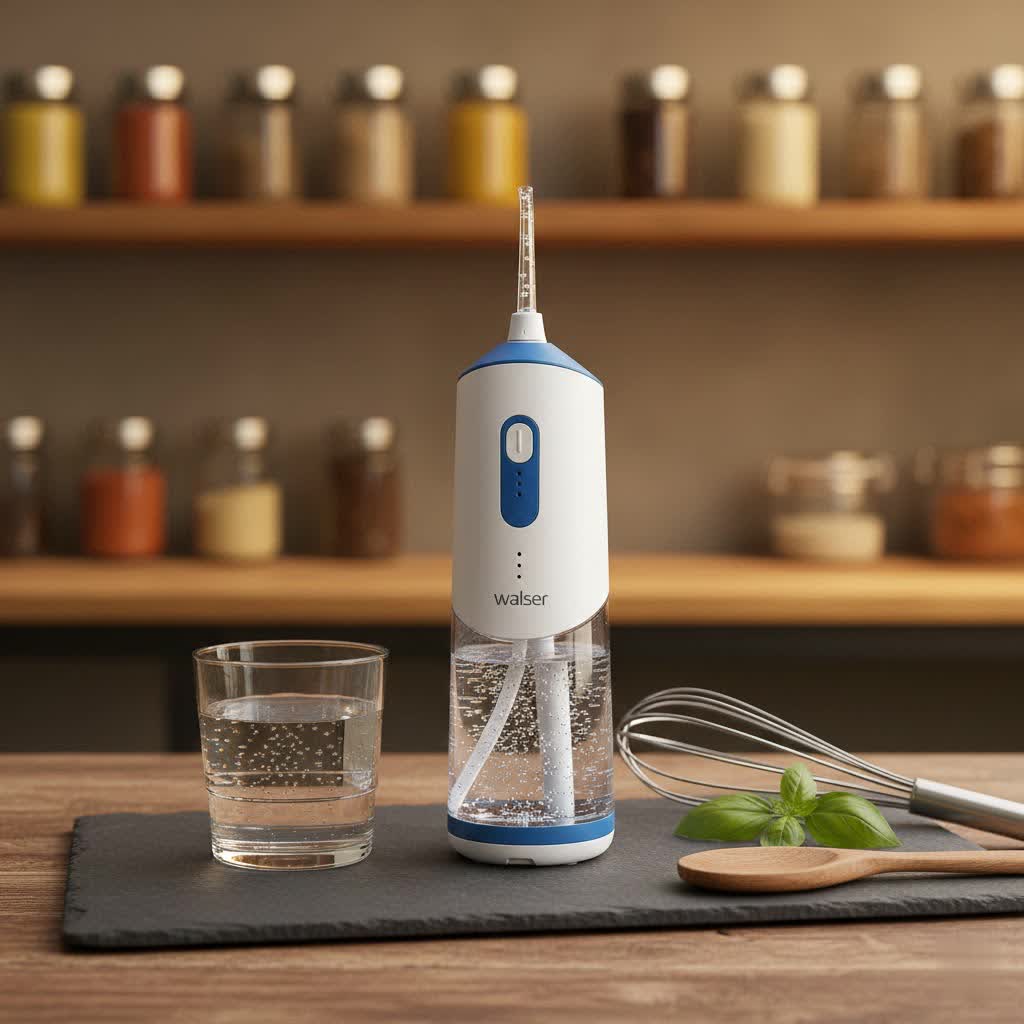
What is a Water Flosser?
A water flosser, also known as an oral irrigator or dental water jet, is an innovative device that uses a pulsating stream of water to effectively remove food particles, plaque, and bacteria from between your teeth and beneath the gumline. Unlike string floss, which relies on manual dexterity to scrape away debris, a water flosser harnesses the power of water pressure to gently yet thoroughly clean hard-to-reach areas that even a toothbrush might miss. This technology was first developed in 1962 by a dentist and an engineer who aimed to make interdental cleaning more convenient and effective.
The benefits of incorporating a water flosser into your routine extend beyond traditional flossing. Studies suggest that water flossers can be more effective in reducing plaque, particularly in hard-to-access interproximal spaces. They are also notably gentler on gums, making them an excellent choice for individuals with sensitive gum tissue or those prone to bleeding gums. For people with braces, dental implants, crowns, or bridges, a water flosser offers an unparalleled ability to clean around these dental appliances with ease and comfort. It helps prevent cavities, gingivitis, and periodontitis, contributing significantly to overall oral health.
Types of Water Flossers
When exploring water flossers, you’ll primarily encounter two main types: countertop and cordless models. Each offers distinct advantages tailored to different lifestyles and needs. Understanding their differences will help you make an informed decision for your oral care.
Countertop Water Flosser
Countertop models are typically larger units designed for stationary use next to a sink. They plug directly into an electrical outlet, providing consistent power and a steady water stream.
- Pros:
- Larger Reservoir Capacity: Countertop flossers boast substantial water tanks, allowing for longer, uninterrupted flossing sessions (often 60-90 seconds or more) without the need for refilling.
- Wider Pressure Range: These models usually offer a greater variety of pressure settings, from extra-gentle to powerful, making them suitable for sensitive gums, deep cleaning, and multiple users.
- More Features and Accessories: Countertop units often come with a broader selection of specialized tips, multiple operating modes, and sometimes advanced features like UV sanitizers for tips.
- Durability and Performance: Designed for continuous use, they often have a more robust build and offer consistent, high-performance cleaning.
- Cons:
- Less Portable: Their size and reliance on an electrical outlet make them less convenient for travel or use in different bathrooms.
- Space Requirement: They take up more counter space, which might be a consideration for smaller bathrooms.
- Higher Initial Cost: Generally, countertop models tend to have a higher upfront price compared to basic cordless versions.
|
Our Picks for the Best Water Flosser in 2026
As an Amazon Associate I earn from qualifying purchases.
|
||
| Num | Product | Action |
|---|---|---|
| 1 | OILSAO Electric Toothbrush with Water Flosser Combo, All in One Sonic Toothbrush with 3 Modes & 5 Flossing Speeds, Rechargeable & Portable for Adult Teeth Cleaning and Plaque Removal,Pearl White |

|
| 2 | Onlyone Rechargeable Cordless Water Flosser with Adjustable Water Pressure for Daily Oral Care, Power Dental Flosser for Home and Travel Use, Portable Oral Irrigator for Sensitive Gums and Braces Care |
|
| 3 | Benhip Water Flosser with Electric Toothbrush – 3 Sonic Toothbrush Modes & 5 Water Flossing Pressure – Fast Charging & IPX7 Waterproof – Portable Travel Case Included |
|
| 4 | Bitvae Water Dental Flosser for Teeth, Cordless Water Teeth Cleaner Picks, 3 Modes 5 Intensities, IPX7 Waterproof, Rechargeable Water Dental Picks for Cleaning - Black |
|
| 5 | Water Flosser, Water Dental Flosser Pick for Teeth, 300ML IPX7 Waterproof Oral Irrigator, 3 Modes 4 Replaceable Jet Tips, Professional Flossing Cleaning Picks for Home Travel Gums, Braces Care (Black) |
|
| 6 | COSLUS Portable Water Flosser for Teeth: 3 Modes & 6 Pressure Settings with Jet Mode Water Dental Pick for Orthodontic, Braces, Sensitive Gums, Compact for Travel, 300ML for Multiple Users, White C51 |
|
| 7 | COSLUS Water Dental Flosser Teeth Pick: Portable Cordless Oral Irrigator 300ML Rechargeable Travel Irrigation Cleaner IPX7 Waterproof Electric Flossing Machine for Teeth Cleaning C20(F5020E) |
|
| 8 | COSLUS Portable Water Flosser for Teeth: 4 Modes & 5 Intensity Levels Professional Electric Dental Pick for Sensitive Gums, Braces & Orthodontic - Cordless for Travel Use, for Adults, BPA-Free, Pink |
|
| 9 | Waterpik Aquarius Water Flosser For Teeth Cleaning, Gums, Braces, Dental Care, Electric Power With 10 Settings, 7 Tips For Multiple Users And Needs, ADA Accepted, White WP-660, Packaging May Vary |
|
| 10 | Waterpik Cordless Pulse Rechargeable Portable Water Flosser for Teeth, Gums, Braces Care and Travel with 2 Flossing Tips, Waterproof for Shower, ADA Accepted, WF-20 Blue, Packaging and Tips May Vary |
|
Countertop water flossers are ideal for households with multiple users, individuals with extensive dental work like braces or implants requiring consistent high pressure, or those who simply prefer a powerful and versatile device for their daily oral hygiene routine.
Cordless/Rechargeable Water Flosser
Cordless water flossers are compact, battery-operated, and designed for maximum portability and flexibility.
- Pros:
- Portability: Their lightweight and compact design makes them perfect for travel, small bathrooms, or even for use in the shower if waterproof.
- Space-Saving: They require minimal counter space and are easy to store.
- Convenience: Battery power means no cords to manage during use, offering freedom of movement. Many models are USB-rechargeable for added travel convenience.
- Cons:
- Smaller Reservoir: Cordless models have smaller water tanks, typically offering 30-45 seconds of flossing time, which may necessitate refilling during a session.
- Limited Pressure Settings: They usually provide fewer pressure options (often 2-3 settings) compared to countertop models. While effective, the maximum pressure might be slightly lower.
- Battery Life: Rechargeable batteries need periodic charging, and performance can diminish as the battery drains.
- Less Powerful: While still effective, the overall water pressure might be slightly less intense than high-end countertop units.
Cordless water flossers are an excellent choice for frequent travelers, individuals with limited bathroom counter space, or those seeking a quick and easy solution for maintaining oral hygiene on the go.
Ultimately, the “best” type of water flosser depends on your specific needs, daily habits, and bathroom setup. Many users find a countertop model perfect for home and a cordless version invaluable for travel.
Your Essential Water Flosser Buying Guide
Choosing the right water flosser can significantly impact your oral health journey. With numerous options available, it’s helpful to consider several key factors to find the perfect device that aligns with your individual needs and preferences.
Key Factors to Consider
- Water Pressure: Look for models with adjustable pressure settings. This is crucial for customizing your experience, allowing you to start with a gentle stream for sensitive gums or beginners and gradually increase to a higher pressure for a deep, invigorating clean. Countertop units often provide a broader range of settings.
- Reservoir Capacity: The size of the water tank determines how long you can floss without needing a refill. Larger reservoirs, typically found in countertop models, offer extended flossing times (60-90+ seconds), ideal for thorough cleaning or multiple users. Cordless units have smaller tanks, often requiring a mid-session refill.
- Nozzle Types and Attachments: Different tips serve various purposes. Common types include:
- Classic Jet Tip: For general cleaning.
- Orthodontic Tip: Designed for cleaning around braces and wires.
- Plaque Seeker Tip: For effective cleaning around dental implants, crowns, and bridges.
- Pik Pocket Tip: For gently delivering water or therapeutic rinses into periodontal pockets.
- Tongue Cleaner: For fresh breath.
Ensure the model you choose offers the tips relevant to your dental needs.
- Modes and Features: Beyond basic cleaning, some water flossers offer multiple modes like “pulse” for gum massage or “sensitive” for gentler cleaning. Additional features such as a 360-degree tip rotation, auto shut-off, LED displays, leak-proof designs, and even Bluetooth connectivity can enhance usability and user experience.
- Noise Level: While not always a primary concern, some users prefer quieter operation, especially during early morning or late-night routines. Researching user reviews can provide insight into a model’s typical noise output.
- Size, Weight, and Portability: If you plan to travel frequently or have limited bathroom counter space, a compact and lightweight cordless model is essential. For home use, a larger countertop unit offers more features and capacity.
- Battery Life and Power: Corded models offer consistent power without worrying about charging. For cordless units, consider models with a long battery life (e.g., 7+ days on a single charge) and convenient charging options like USB for travel.
- Price Range: Water flossers vary significantly in price, from basic models around $30-$50 to advanced units with premium features ranging from $100 to $200 or more. Your budget should align with the features and performance you prioritize.
Reputable Brands in the Market
Several brands have established themselves as leaders in the water flosser market, known for their quality, innovation, and effectiveness. When choosing, considering products from these manufacturers can provide confidence in your purchase:
- Waterpik: Often synonymous with water flossing, Waterpik is a highly popular brand with a wide range of countertop and cordless models, known for their clinically proven benefits.
- Philips Sonicare: Renowned for electric toothbrushes, Philips Sonicare also offers high-quality water flossers, often featuring unique quad-stream nozzles for broader coverage.
- Oral-B: Another major player in oral hygiene, Oral-B provides effective water flosser solutions, sometimes integrated with their electric toothbrushes.
- Aquasonic, H2ofloss, Quip, MySmile, Panasonic, Oracura, Renpho: These brands also offer various models, often highlighted in “best of” lists for their specific features, value, or design.
Researching reviews and comparing specific models from these brands based on the factors above will guide you to the ideal water flosser for your dental health needs.
Getting Started: How to Use Your Water Flosser Effectively
Once you’ve chosen your ideal water flosser, mastering its use is key to unlocking its full potential for a cleaner, healthier mouth. Proper technique ensures you maximize plaque removal and improve gum health without causing discomfort.
Preparation Before Use
- Fill the Reservoir: Remove the water reservoir and fill it with lukewarm water. Avoid using cold water, which can be uncomfortable for sensitive teeth, or hot water, which could potentially damage the device. If recommended by your dentist, you can add a small amount of an antiseptic mouthwash to the water.
- Select Your Tip: Choose the appropriate nozzle tip for your needs, whether it’s the classic jet, orthodontic, or periodontal tip, and firmly insert it into the handle until it clicks into place.
- Adjust Pressure Settings: If you’re a first-time user or have sensitive gums, start with the lowest pressure setting. You can gradually increase the pressure in subsequent uses as your gums become accustomed to the sensation, aiming for a setting that feels effective yet comfortable.
- Position Yourself: Lean over the sink and place the tip of the water flosser inside your mouth, directing it towards your back teeth. Partially close your lips around the tip to prevent splashing, but allow water to drain into the sink.
Step-by-Step Usage
- Turn On the Device: Once properly positioned, turn on your water flosser. The water stream will begin to pulsate.
- Guide Along the Gumline: Aim the water stream at your gumline at a 90-degree angle, allowing the water to flow between your teeth. Gently glide the tip along the gumline, pausing briefly (about two seconds) between each tooth, both on the front and back surfaces.
- Clean All Areas: Systematically work your way around your entire mouth, focusing on all tooth surfaces, interdental spaces, and along the gumline. Pay extra attention to areas around braces, implants, or dental work, where food and plaque tend to accumulate.
- Duration: A complete water flossing session should typically last about two minutes, ensuring all areas of your mouth have been thoroughly cleaned. Continue until the reservoir is empty.
Tips for Best Results
- Start Low, Go Slow: Always begin with the lowest pressure setting and gradually increase it. A comfortable pressure is more effective than an uncomfortably high one that discourages regular use.
- Pre-Brush for Best Effects: Many dentists recommend using a water flosser before brushing, as it can loosen stubborn food particles and plaque, making them easier to brush away.
- Regular Cleaning: After each use, empty any remaining water from the reservoir and rinse it to prevent bacterial growth. Periodically clean the device according to the manufacturer’s instructions, often with a vinegar solution.
- Consistency is Key: Incorporate water flossing into your daily oral hygiene routine. Regular use yields the best long-term results for gum health and plaque control.
By following these simple steps and tips, you’ll soon experience the remarkable cleaning power of a water flosser, contributing to a noticeably healthier and fresher mouth.
The Transformative Benefits of Water Flossing for Oral Health
Incorporating a water flosser into your daily regimen is more than just an additional step; it’s a commitment to superior oral health. The unique cleaning action of a water flosser provides a multitude of benefits that traditional brushing and string flossing alone might not fully achieve.
Superior Plaque and Debris Removal
Water flossers excel at dislodging trapped food particles and rinsing away plaque biofilm from intricate areas. The pulsating stream reaches deep into pockets between teeth and below the gumline, areas often inaccessible to conventional floss. This thorough cleaning significantly reduces the accumulation of harmful bacteria that lead to dental issues.
Improved Gum Health and Reduced Bleeding
For individuals struggling with gingivitis or periodontal disease, a water flosser can be a game-changer. The gentle yet effective massage from the water stream stimulates gum tissue, promoting better blood circulation and reducing inflammation. Regular use often leads to a noticeable reduction in gum bleeding and tenderness, fostering healthier, firmer gums.
Ideal for Braces, Implants, and Dental Work
Anyone with orthodontic appliances like braces, or restorative work such as crowns, bridges, and dental implants, understands the difficulty of meticulous cleaning. A water flosser navigates around wires, brackets, and implant abutments with ease, flushing out debris without snagging or discomfort. Specialized tips are also available to target these specific areas more effectively.
Combats Bad Breath
Halitosis, or bad breath, frequently stems from bacteria and decaying food particles lingering between teeth and on the tongue. By effectively flushing out this debris and bacteria, a water flosser helps neutralize odors, leaving your mouth feeling significantly fresher and your breath cleaner throughout the day.
Enhances Overall Systemic Health
The link between oral health and overall systemic health is well-documented. Chronic gum inflammation can contribute to more serious conditions like heart disease and diabetes. By reducing gum disease and inflammation, a water flosser plays a role not only in maintaining your oral well-being but also in supporting your broader physical health. It’s a small step that yields significant, long-lasting benefits.
Important Considerations and Best Practices
While a water flosser is a powerful tool for elevating your oral hygiene, it’s crucial to use it correctly and understand its role within a comprehensive dental care routine.
- Complement, Don’t Replace: A water flosser is an excellent addition to brushing and traditional flossing, not a replacement. Brushing cleans tooth surfaces, and string floss (or interdental brushes) provides mechanical scrubbing in tight contacts, while the water flosser efficiently rinses and cleans below the gumline and around dental work. For the most thorough clean, dentists often recommend using both string floss and a water flosser.
- Adjust Pressure Wisely: Always start with the lowest pressure setting, especially if you have sensitive gums or are new to water flossing. Gradually increase the pressure to a level that feels effective but never causes pain or discomfort. Excessive pressure can harm gum tissue over time.
- Consult Your Dentist: If you have specific dental conditions, such as severe gum disease, or are unsure about the best way to integrate a water flosser into your routine, consult your dentist or dental hygienist. They can offer personalized advice and recommend the most suitable tips or techniques for your needs.
- Maintain Hygiene: To prevent bacterial buildup, always empty and rinse the water reservoir after each use. Periodically, clean the entire unit as per the manufacturer’s instructions, often using a solution of white vinegar and warm water to descale and sanitize. Do not share tips to avoid cross-contamination.
- Avoid Harsh Liquids: Stick to lukewarm water or dentist-recommended mouthwashes in your water flosser. Avoid abrasive liquids, salt water, or essential oils that are not designed for oral irrigators, as they can damage the internal components of the device.
By adhering to these best practices, you can ensure your water flosser remains an effective and safe component of your daily oral care, contributing to a lifetime of healthy smiles.
Conclusion
The journey to optimal oral health can feel complex, but with the right tools and knowledge, it becomes an achievable goal. The water flosser stands out as a remarkable innovation, offering a powerful yet gentle solution to enhance cleaning, improve gum health, and maintain fresh breath. Whether you’re navigating braces, managing sensitive gums, or simply striving for a superior clean, integrating a water flosser into your daily routine can provide benefits that go far beyond what traditional methods offer. It’s an investment in your smile, your confidence, and your overall well-being.
Are you ready to experience the refreshing difference a water flosser can make in your daily oral care?
Frequently Asked Questions
Is a water flosser better than string floss?
Many studies indicate that water flossers can be more effective than string floss for reducing plaque and improving gum health, especially for individuals with braces, implants, or dexterity issues. However, some dental professionals recommend using both for a comprehensive cleaning.
Can a water flosser replace brushing?
No, a water flosser cannot replace brushing. Brushing physically removes plaque and food debris from tooth surfaces, while a water flosser effectively cleans between teeth and below the gumline. They work best as complementary tools in your oral hygiene routine.
How often should I use my water flosser?
For optimal results, it is recommended to use your water flosser at least once a day. Consistent daily use helps prevent plaque buildup, reduces the risk of gum disease, and keeps your mouth feeling fresh.
What kind of water should I use?
Always use lukewarm water in your water flosser. Cold water can be uncomfortable for sensitive teeth, and hot water may damage the device. You can also add a non-alcoholic, antiseptic mouthwash if recommended by your dentist.
Are water flossers safe for braces or implants?
Yes, water flossers are highly recommended and very safe for individuals with braces, dental implants, crowns, and bridges. They are excellent at cleaning around these appliances without causing damage, reaching areas that are difficult to clean with string floss.
