Tonsil stones, medically known as tonsilloliths, can be a persistent and unpleasant issue, often leading to bad breath, discomfort, and a feeling of something stuck in your throat. If you’ve ever dealt with these small, calcified deposits, you know the struggle of finding an effective and gentle way to remove them. While traditional methods like cotton swabs can be harsh and trigger a gag reflex, many people are turning to water flossers as a promising tool for managing tonsil stones and maintaining overall oral hygiene. This guide will explore how water flossers work, their benefits, and how to use them safely to address tonsil stones, helping you achieve a cleaner, fresher mouth.
What Are Tonsil Stones (Tonsilloliths)?
Tonsil stones are small, hard formations that develop in the crevices and pockets of your tonsils. These aren’t just bits of food; they are composed of a mix of trapped debris, bacteria, dead cells, and mucus, which calcify over time. While often harmless, tonsilloliths can cause a range of unpleasant symptoms, including persistent bad breath (halitosis), a sore throat, difficulty swallowing, ear pain, and a constant sensation of a foreign object in the back of your throat. They vary in size, from tiny specks to larger, more noticeable formations. Understanding what causes them – primarily poor oral hygiene, large tonsils with many crypts, and chronic sinusitis – is the first step toward effective management.
How Water Flossers Work
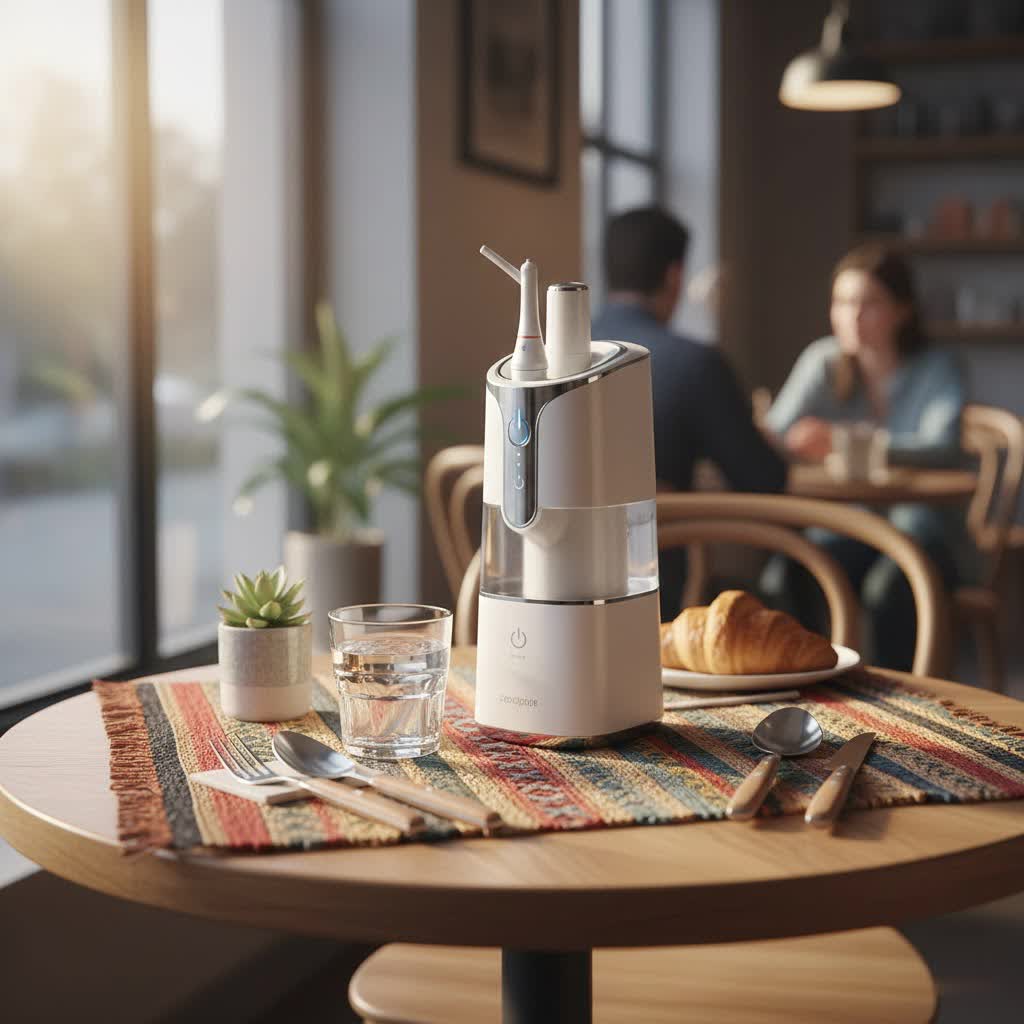
A water flosser, also known as an oral irrigator, is a dental device designed to clean between teeth and along the gumline using a pulsating stream of water. Unlike traditional string floss, which physically scrapes away plaque, a water flosser uses hydrodynamic pressure to rinse away food particles, plaque, and bacteria. This gentle yet powerful stream can reach areas that string floss might miss, making it particularly beneficial for individuals with braces, implants, or gum disease. When it comes to tonsil stones, the consistent, controlled stream of water can be directed to the tonsil crypts, where stones reside, helping to dislodge and flush them out.
Can a Water Flosser Help Remove Tonsil Stones?
Yes, a water flosser can be a safe and gentle solution for removing small and soft tonsil stones, as well as helping to prevent their recurrence. While research on its overall effectiveness specifically for tonsil stone removal is limited, many individuals find it a valuable tool. The pulsating water stream is designed to clean delicate areas without harsh scraping, making it less likely to cause irritation or trigger a gag reflex compared to manual removal methods like cotton swabs. For larger or deeply embedded tonsil stones, a water flosser might not be sufficient, and professional medical evaluation is recommended.
Benefits of Using a Water Flosser for Tonsil Stones
Utilizing a water flosser offers several advantages when dealing with tonsil stones:
- Gentle Removal: The controlled water stream provides a gentler approach to dislodging stones compared to manual tools, reducing the risk of irritation or injury to the delicate tonsil tissue.
- Effective Cleaning: It can effectively flush out debris, bacteria, and food particles from the tonsil crypts, which are often hard to reach with brushing or gargling alone. This not only helps remove existing stones but also prevents new ones from forming.
- Improved Oral Hygiene: Regular water flossing contributes to better overall oral health, reducing the bacteria that can contribute to bad breath associated with tonsil stones.
- Comfort and Convenience: Many users find water flossers more comfortable and easier to use than other removal methods, especially those prone to a gag reflex.
- Prevention: By regularly rinsing the tonsil area, a water flosser can help maintain cleanliness and significantly reduce the accumulation of debris that leads to stone formation.
Choosing the Right Water Flosser for Tonsil Stones
Selecting the appropriate water flosser is crucial for effective and safe tonsil stone removal. Here are key factors to consider:
- Adjustable Pressure Settings: This is paramount. Look for models that offer a wide range of pressure settings, allowing you to start with the lowest, most gentle stream and gradually increase it only if comfortable. High pressure can be too harsh for sensitive tonsil tissue.
- Specialized Tips: Some water flossers come with specialized tips designed for sensitive areas or precise targeting. A softer tip or one with a narrow stream can provide better control and reduce the risk of injury.
- Reservoir Capacity: A larger reservoir means less refilling during a session, which can be more convenient.
- Type of Water Flosser:
- Countertop Water Flossers: These typically offer more powerful motors, larger reservoirs, and a wider range of pressure settings. They are ideal for home use where portability isn’t a concern.
- Cordless/Portable Water Flossers: More compact and travel-friendly, these are battery-operated and offer convenience, though they may have smaller reservoirs and slightly less powerful streams than countertop models.
- Ease of Use and Cleaning: Choose a model that is easy to fill, operate, and clean to ensure consistent use and hygiene.
- Reputable Brands: While specific brands aren’t exclusively for tonsil stones, those known for reliable adjustable pressure and various tips are generally good choices.
Step-by-Step Guide: Safely Using a Water Flosser for Tonsil Stones
Using a Water Flosser For Tonsil Stones requires a gentle approach and careful technique. Follow these steps for safe and effective removal:
- Preparation: Stand in front of a well-lit mirror to clearly see your tonsils. Fill the water flosser reservoir with lukewarm water. Avoid hot water, as it can be uncomfortable and potentially irritating. You might also consider gargling with warm salt water beforehand to help soften the stones.
- Set the Pressure: Always start with the lowest pressure setting on your device. This is crucial to avoid irritation or injury to your delicate tonsils. You can gradually increase the pressure if you find it comfortable and necessary.
- Position Yourself: Lean over a sink to allow any dislodged stones, debris, and water to drain out, preventing accidental swallowing. Open your mouth wide and try to keep your tongue out of the way to gain better access to your tonsils.
- Aim and Activate: Gently insert the flosser tip into your mouth, aiming it toward the area of your tonsil where the stone is visible. Direct the stream at the tonsil stone or the crypt where it’s located, not directly into the tonsil tissue. Use short bursts of water, moving the tip slowly.
- Flushing Action: Let the water stream work for about 20 seconds on each stone or affected area. Patience is key; it may take a few tries to dislodge the stones completely. If a stone doesn’t come out immediately, take a break and try again after a few minutes, or try gargling with salt water again.
- Rinse and Clean: After each session, spit out any debris or water. Rinse your mouth with plain water or a mild, alcohol-free mouthwash to ensure cleanliness. Don’t forget to thoroughly clean the water flosser tip after each use to prevent bacterial buildup.
Important Safety Tips and Precautions
While generally safe, using a water flosser for tonsil stones comes with critical safety considerations:
- Start Low, Go Slow: Always begin with the lowest pressure setting and only increase gradually if comfortable. High pressure can cause discomfort, bleeding, or push stones deeper.
- Avoid Direct Blasting: Do not blast the water directly into your tonsil tissue for extended periods. Focus the stream on the stone itself or the crypt opening.
- Listen to Your Body: If you experience any pain, bleeding, or increased discomfort, stop using the water flosser immediately.
- Hygiene is Key: Keep your water flosser and its tips clean to prevent introducing bacteria into your mouth.
- Risk of Infection: While rare, there have been anecdotal reports of infections potentially linked to improper water flosser use for tonsil stones. Always prioritize hygiene and cease use if any signs of infection appear.
- Not a Replacement for Brushing: A water flosser supplements, but does not replace, regular brushing and flossing for overall oral hygiene.
When to Seek Professional Help
While a water flosser can be effective for managing small tonsil stones, it’s essential to know when to consult a healthcare professional. You should seek advice from a dentist or an ear, nose, and throat (ENT) specialist if:
- Tonsil stones are large, deeply embedded, or hard to remove.
- You experience persistent discomfort, difficulty swallowing, or significant pain.
- Tonsil stones are recurrent, despite your best efforts at home.
- You notice any signs of infection, such as fever, increased throat pain, or swollen glands.
- The water flosser does not alleviate your symptoms or seems to worsen them.
These professionals can offer safe and effective removal options, including manual extraction, curettage, or, in severe cases, tonsillectomy, and can rule out any underlying medical conditions.
Alternative Methods for Tonsil Stone Management
Beyond water flossers, several other methods can help manage tonsil stones:
- Saltwater Gargle: Gargling with warm salt water can help dislodge loose stones and soothe inflamed tonsils. The saline solution can also help reduce bacteria and promote healing.
- Manual Irrigator/Syringe: A simple syringe with a curved tip, often found at pharmacies, allows for a very controlled, low-pressure rinse of the tonsil area, which some find more effective than a water flosser for precise targeting.
- Good Oral Hygiene: Consistent brushing and regular use of mouthwash can prevent food particles and bacteria from accumulating in tonsil crypts.
Conclusion
Tonsil stones can be an irritating problem, but a water flosser offers a gentle and effective method for managing them, especially for smaller, softer stones. By understanding how to use your device safely, maintaining proper hygiene, and choosing a model with adjustable pressure, you can effectively dislodge these unwelcome deposits and improve your oral health. Remember, a water flosser serves as a valuable adjunct to your daily oral care routine, not a replacement. If you consistently struggle with large, persistent, or painful tonsil stones, consulting a dental professional or ENT specialist is always the best course of action to ensure comprehensive and appropriate care.
Ready to take control of your tonsil stone troubles and enjoy a fresher, more confident smile?
Frequently Asked Questions
Can a water flosser push tonsil stones deeper?
|
Our Picks for the Best Water Flosser in 2026
As an Amazon Associate I earn from qualifying purchases.
|
||
| Num | Product | Action |
|---|---|---|
| 1 | COSLUS Portable Water Flosser for Teeth: 4 Modes & 5 Intensity Levels Professional Electric Dental Pick for Sensitive Gums, Braces & Orthodontic - Cordless for Travel Use, for Adults, BPA-Free, Pink |

|
| 2 | COSLUS Portable Water Flosser for Teeth: 3 Modes & 6 Pressure Settings with Jet Mode Water Dental Pick for Orthodontic, Braces, Sensitive Gums, Compact for Travel, 300ML for Multiple Users, White C51 |
|
| 3 | OILSAO Electric Toothbrush with Water Flosser Combo, All in One Sonic Toothbrush with 3 Modes & 5 Flossing Speeds, Rechargeable & Portable for Adult Teeth Cleaning and Plaque Removal,Pearl White |
|
| 4 | Waterpik Cordless Pulse Rechargeable Portable Water Flosser for Teeth, Gums, Braces Care and Travel with 2 Flossing Tips, Waterproof for Shower, ADA Accepted, WF-20 Blue, Packaging and Tips May Vary |
|
| 5 | Bitvae Water Dental Flosser for Teeth, Cordless Water Teeth Cleaner Picks, 3 Modes 5 Intensities, IPX7 Waterproof, Rechargeable Water Dental Picks for Cleaning - Black |
|
| 6 | Water Flosser, Water Dental Flosser Pick for Teeth, 300ML IPX7 Waterproof Oral Irrigator, 3 Modes 4 Replaceable Jet Tips, Professional Flossing Cleaning Picks for Home Travel Gums, Braces Care (Black) |
|
| 7 | Benhip Water Flosser with Electric Toothbrush – 3 Sonic Toothbrush Modes & 5 Water Flossing Pressure – Fast Charging & IPX7 Waterproof – Portable Travel Case Included |
|
| 8 | Waterpik Aquarius Water Flosser For Teeth Cleaning, Gums, Braces, Dental Care, Electric Power With 10 Settings, 7 Tips For Multiple Users And Needs, ADA Accepted, White WP-660, Packaging May Vary |
|
| 9 | Onlyone Rechargeable Cordless Water Flosser with Adjustable Water Pressure for Daily Oral Care, Power Dental Flosser for Home and Travel Use, Portable Oral Irrigator for Sensitive Gums and Braces Care |
|
| 10 | COSLUS Water Dental Flosser Teeth Pick: Portable Cordless Oral Irrigator 300ML Rechargeable Travel Irrigation Cleaner IPX7 Waterproof Electric Flossing Machine for Teeth Cleaning C20(F5020E) |
|
While aiming carefully and using low pressure, there is a slight risk, especially with larger or deeply embedded stones, that a high-pressure stream could push them deeper. Always start with the lowest setting and aim directly at the stone’s surface, not deep into the tonsil crypt.
What pressure setting should I use on my water flosser for tonsil stones?
Always begin with the absolute lowest pressure setting available on your water flosser. The tonsil tissue is delicate, and a strong stream can cause irritation or even injury. Gradually increase the pressure only if the lowest setting is ineffective and you feel comfortable doing so.
How often should I use a water flosser for tonsil stones?
If you’re prone to tonsil stones, using a water flosser once or twice a day as part of your regular oral hygiene routine can help prevent new stones from forming and dislodge small existing ones. However, avoid overuse or aggressive use, which can irritate the tonsils.
Are there any water flossers specifically designed for tonsil stones?
While most water flossers are designed for general oral hygiene, look for models with adjustable pressure settings, continuous water flow, and specialized tips (like periodontal tips) that allow for gentle and precise targeting of sensitive areas like tonsil crypts.
What should I do if a tonsil stone doesn’t come out with a water flosser?
If a tonsil stone doesn’t dislodge after a few gentle attempts with a water flosser, do not force it or increase the pressure excessively. Try gargling with warm salt water, or consider using a manual irrigator. If it persists or causes discomfort, consult a dentist or ENT specialist for professional removal.
