Battling swollen, bleeding gums or persistent bad breath? You might be experiencing periodontal disease, a serious condition affecting millions. While traditional brushing and flossing are crucial, they often fall short in reaching the hidden areas where disease-causing bacteria thrive. Could a water flosser be the missing piece in your oral hygiene arsenal, offering a powerful yet gentle solution to enhance your fight against gum disease?
Understanding Water Flossers and Periodontal Disease
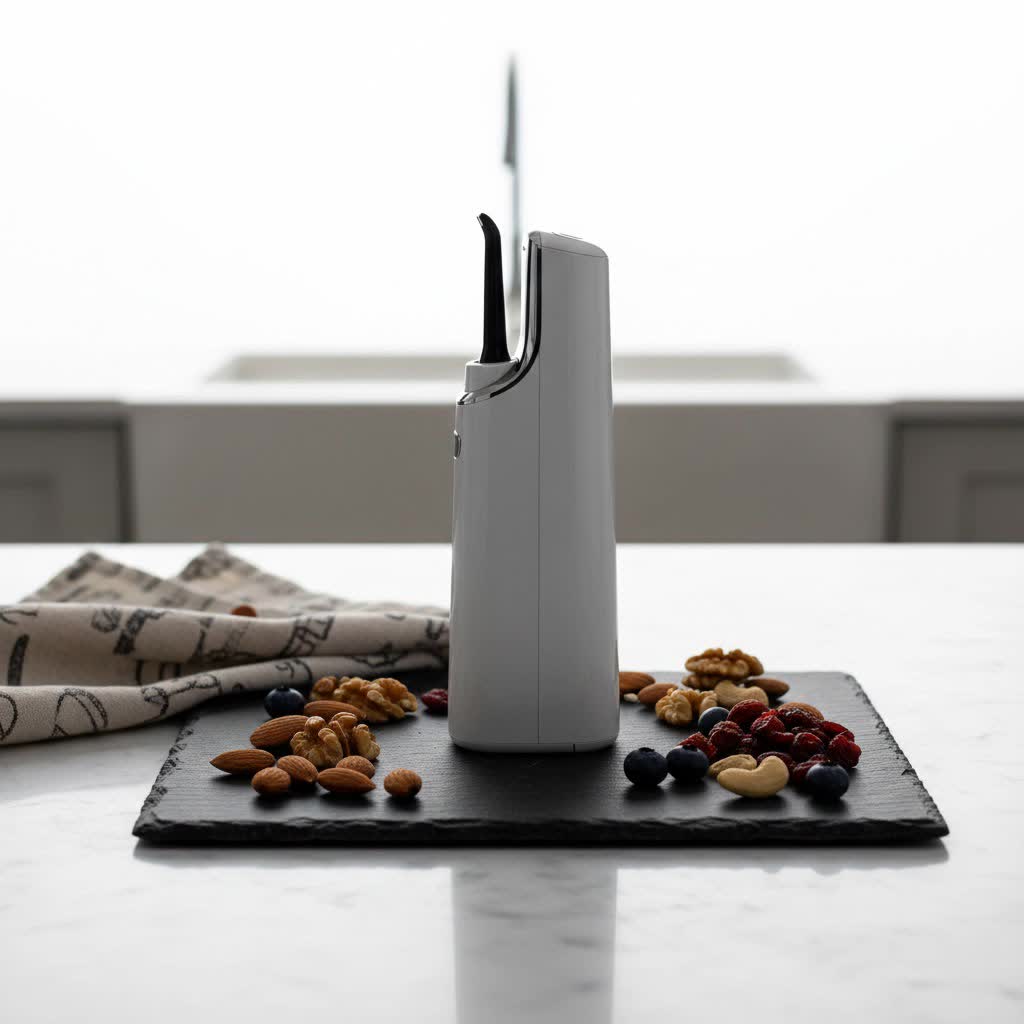
A water flosser, also known as an oral irrigator or dental water jet, is a powered device that delivers a pressurized, pulsating stream of water to clean your teeth and gums. Unlike traditional string floss, which relies on physical friction, water flossers utilize hydrokinetic activity to dislodge food particles, plaque, and bacteria. This method effectively cleans between teeth, along the gumline, and critically, deep within the periodontal pockets that form as gum disease progresses.
Periodontal disease, or periodontitis, is defined as an inflammation of the periodontal tissues that results in clinical attachment loss, alveolar bone loss, and the formation of periodontal pockets. These pockets are areas beneath the gumline where bacteria accumulate, leading to inflammation, infection, bone deterioration, and eventually, tooth loss if left untreated. For individuals with this condition, traditional cleaning methods often cannot properly reach and clean these deep, inflamed areas. This is where the unique action of a water flosser offers a significant advantage, providing a means to remove plaque and improve gum health in these hard-to-reach spots.
The Transformative Benefits of Water Flossing for Periodontal Health
Incorporating a water flosser into your daily oral care routine offers numerous benefits, particularly for those managing periodontal disease. Its distinct cleaning mechanism addresses several challenges that traditional methods struggle with.
Firstly, water flossers excel at removing plaque and bacterial biofilm, including stubborn subgingival deposits. Research shows that water flossers can penetrate up to 90% of periodontal pockets measuring 6mm or less, effectively disrupting and flushing out harmful bacteria that lead to inflammation and infection. Some studies indicate an impressive 20-30% additional reduction in plaque levels when adding a water flosser to a regular brushing and flossing routine.
Secondly, water flossing is highly effective in reducing gingival inflammation and bleeding. The pulsating stream gently massages the gums, stimulating blood flow and helping to minimize swelling and redness. For individuals experiencing frequent bleeding during traditional flossing, a water flosser can provide a gentler alternative that still promotes gum health, with some clinical trials demonstrating a nearly two-fold increase in bleeding reduction compared to manual brushing and string floss.
Moreover, water flossers are invaluable for cleaning around complex dental work. If you have braces, dental implants, crowns, or bridges, these appliances create additional nooks and crannies where food and bacteria can easily accumulate. Water flossers can navigate these areas with ease, ensuring thorough cleaning and helping to prevent peri-implant diseases. They are also incredibly beneficial for patients with dexterity issues, for whom traditional flossing can be challenging or impossible.
A significant advantage of water flossers is their ability to incorporate medicaments. Dentists may recommend adding antimicrobial solutions like chlorhexidine or essential oils, or even fluoride solutions, to the water reservoir. This allows for targeted delivery of therapeutic agents deep into periodontal pockets, significantly enhancing treatment efficacy and contributing to improved overall periodontal health outcomes. The American Academy of Periodontology acknowledged the clinical benefits of water flossing as early as 2001, stating that “supragingival irrigation with or without medicaments reduces gingival inflammation beyond what is normally achieved by toothbrushing alone.”
Exploring Popular Water Flosser Types
When considering a water flosser, you’ll generally encounter two main types designed for home use, each with its own advantages:
- Countertop Water Flossers: These models typically offer larger water reservoirs, meaning longer flossing sessions without refills, and often come with a wider range of pressure settings and specialized tips. They are powered by an electrical outlet and are ideal for consistent daily use at home. Their stability and comprehensive features make them a popular choice for those with significant oral health concerns, including periodontal disease.
- Cordless/Portable Water Flossers: Designed for convenience and travel, these compact, battery-operated devices are excellent for maintaining your oral hygiene routine on the go. While their reservoirs are smaller, requiring more frequent refills, they offer flexibility and ease of use, making them a good option for people who travel frequently or have limited counter space.
Many brands also offer specialized tips, such as the “Pik Pocket” tip from Waterpik, which features a soft rubber design specifically engineered for gentle, yet effective, subgingival irrigation into periodontal pockets. Choosing the right tip is crucial for maximizing the benefits for periodontal disease management.
Your Guide to Choosing the Best Water Flosser for Periodontal Health
Selecting the ideal water flosser involves considering several key factors to ensure it meets your specific needs, especially when managing periodontal disease.
- Water Pressure: Look for a device with adjustable pressure settings. Starting with the lowest setting and gradually increasing allows your gums to adapt, preventing discomfort, particularly if you have sensitive or inflamed gums. Effective plaque removal requires adequate pressure, but gentle operation is paramount for diseased tissues.
- Reservoir Capacity: A larger reservoir means less frequent refilling during your flossing session. Countertop models generally offer greater capacity, ideal for thorough cleaning, especially when using medicated rinses that you want to apply continuously.
- Nozzle Types: Investigate the range of tips included. A standard jet tip is good for general cleaning, but for periodontal disease, specialized tips like the Pik Pocket (subgingival tip) are highly beneficial. These tips are designed to deliver water or medicaments gently into periodontal pockets.
- Modes: Some water flossers offer multiple modes, such as “massage” or “gum care,” which can further enhance gum health by stimulating circulation.
- Ease of Use and Size: Consider how comfortable the device is to hold and operate. If space is an issue, a cordless model might be more practical. However, countertop models often offer more power and features.
- Noise Level: Some users find certain models quite noisy. Reading reviews can give you an idea of the typical operating sound.
- Price: Water flossers vary in price. While it’s tempting to opt for cheaper models, investing in a reputable brand often means better durability, performance, and customer support.
- Brand Reputation: Well-known brands like Waterpik, Philips Sonicare, and Oral-B are frequently recommended by dental professionals and have a proven track record. Other brands such as Aquasonic and H20 Floss also offer reliable options. Choosing a brand with good reviews and a strong warranty can provide peace of mind.
Mastering Water Flosser Usage for Optimal Periodontal Care
Proper technique is vital to maximize the benefits of your water flosser, especially when addressing periodontal disease.
- Preparation: Fill the reservoir with lukewarm water. Your dentist may recommend adding an antimicrobial mouthwash, such as chlorhexidine, or a prescribed medicated rinse for enhanced therapeutic benefits. Always consult your dental professional before adding any solutions other than water.
- Positioning: Lean over a sink to allow the water to drain. Place the tip of the nozzle in your mouth, starting with your back teeth. Close your lips enough to prevent splashing but allow water to flow into the sink.
- Technique:
- Angle: Hold the nozzle at a 90-degree angle to your teeth.
- Gumline: Guide the tip along your gumline, pausing briefly between each tooth.
- Pockets: If using a specialized periodontal tip (like the Pik Pocket tip), gently place it into the periodontal pocket at a very low-pressure setting, directing the stream towards the gum tissue.
- Pressure: Start with the lowest pressure setting, especially if your gums are inflamed or sensitive. Gradually increase the pressure as your gums become healthier and more accustomed to the device.
- Coverage: Ensure you clean both the facial (outer) and lingual (inner) surfaces of your teeth, as well as thoroughly cleaning around any dental work.
- Routine: Most dentists recommend using a water flosser at least once a day. While some prefer to water floss before brushing to loosen debris, others do it after brushing and string flossing. The key is to incorporate it consistently into your daily routine. Many dental professionals suggest brushing your teeth as the very last step to effectively remove all dislodged plaque and bacteria.
- Cleaning and Maintenance: Regularly clean your water flosser’s reservoir and handle according to the manufacturer’s instructions to prevent bacterial colonization. Replace tips every three to six months, or sooner if they show signs of wear.
Water Flosser vs. Traditional Flossing for Periodontal Disease
The debate between water flossers and traditional string floss for periodontal care is common. It’s important to understand that dental professionals often recommend water flossers as an adjunct rather than a complete replacement for string floss, especially in comprehensive periodontal management.
While traditional string floss is excellent for physically scraping plaque from tight contact points between teeth, water flossers excel in other areas. Studies have shown that water flossers, particularly when combined with a manual or power toothbrush, can be more effective at reducing bleeding and gingivitis than manual brushing and string flossing alone. The pulsating water stream effectively reaches below the gumline and into periodontal pockets, areas where string floss may struggle, especially in cases of advanced gum recession or large interdental spaces. For individuals with dental appliances like braces or implants, water flossers are often deemed superior for cleaning around these structures.
> “Water flossers are not a substitute for brushing, but they are an excellent complement. For patients with periodontal disease, they offer a unique ability to cleanse deep pockets and reduce inflammation in ways that string floss simply cannot match.” – Dr. Emily R. Chen, Periodontist
Ultimately, a combined approach—utilizing both traditional string floss (where appropriate) and a water flosser, alongside regular brushing—often yields the most comprehensive oral hygiene benefits for those with periodontal disease. Interdental brushes also serve as a valuable tool for larger spaces.
Important Considerations When Using a Water Flosser
While water flossers are a powerful asset in managing periodontal disease, it’s crucial to use them responsibly and understand their limitations.
Firstly, a water flosser is not a substitute for regular brushing. It is designed to complement your brushing routine, not replace it. You still need to brush your teeth twice daily with a fluoride toothpaste to remove surface plaque and maintain overall oral health.
Secondly, always adjust the water pressure to a comfortable level. Starting too high, especially with inflamed gums, can cause discomfort or even damage. Listen to your body and consult your dentist if you experience pain or persistent bleeding.
Lastly, and most importantly, water flossers are a tool for managing periodontal disease, not curing it. If you suspect you have periodontal disease or are experiencing symptoms like swollen, red, or bleeding gums, persistent bad breath, or loose teeth, consult your periodontist immediately. Professional dental cleanings and treatments are essential for diagnosis and effective management. There are also rare concerns about transient bacteremia with water flosser use, particularly for individuals at risk of endocarditis, so always discuss your full medical history with your dental professional.
Conclusion
Living with periodontal disease requires a vigilant approach to oral hygiene, and the water flosser has emerged as an indispensable tool in this fight. By delivering a powerful, pulsating stream of water, these devices effectively reach into periodontal pockets, remove plaque, and significantly reduce inflammation and bleeding, complementing the work of brushing and traditional flossing. From enhancing cleaning around dental work to aiding those with dexterity challenges, the benefits are clear. While a water flosser offers a substantial advantage in maintaining gum health, remember it is part of a comprehensive strategy that always includes professional dental care. Are you ready to empower your oral hygiene routine and take a definitive step towards healthier gums?
Frequently Asked Questions
Can a water flosser fully cure periodontal disease?
|
Our Picks for the Best Water Flosser in 2026
As an Amazon Associate I earn from qualifying purchases.
|
||
| Num | Product | Action |
|---|---|---|
| 1 | Waterpik Cordless Pulse Rechargeable Portable Water Flosser for Teeth, Gums, Braces Care and Travel with 2 Flossing Tips, Waterproof for Shower, ADA Accepted, WF-20 Blue, Packaging and Tips May Vary |

|
| 2 | COSLUS Portable Water Flosser for Teeth: 3 Modes & 6 Pressure Settings with Jet Mode Water Dental Pick for Orthodontic, Braces, Sensitive Gums, Compact for Travel, 300ML for Multiple Users, White C51 |
|
| 3 | Water Flosser, Water Dental Flosser Pick for Teeth, 300ML IPX7 Waterproof Oral Irrigator, 3 Modes 4 Replaceable Jet Tips, Professional Flossing Cleaning Picks for Home Travel Gums, Braces Care (Black) |
|
| 4 | Benhip Water Flosser with Electric Toothbrush – 3 Sonic Toothbrush Modes & 5 Water Flossing Pressure – Fast Charging & IPX7 Waterproof – Portable Travel Case Included |
|
| 5 | Waterpik Aquarius Water Flosser For Teeth Cleaning, Gums, Braces, Dental Care, Electric Power With 10 Settings, 7 Tips For Multiple Users And Needs, ADA Accepted, White WP-660, Packaging May Vary |
|
| 6 | COSLUS Water Dental Flosser Teeth Pick: Portable Cordless Oral Irrigator 300ML Rechargeable Travel Irrigation Cleaner IPX7 Waterproof Electric Flossing Machine for Teeth Cleaning C20(F5020E) |
|
| 7 | Bitvae Water Dental Flosser for Teeth, Cordless Water Teeth Cleaner Picks, 3 Modes 5 Intensities, IPX7 Waterproof, Rechargeable Water Dental Picks for Cleaning - Black |
|
| 8 | OILSAO Electric Toothbrush with Water Flosser Combo, All in One Sonic Toothbrush with 3 Modes & 5 Flossing Speeds, Rechargeable & Portable for Adult Teeth Cleaning and Plaque Removal,Pearl White |
|
| 9 | COSLUS Portable Water Flosser for Teeth: 4 Modes & 5 Intensity Levels Professional Electric Dental Pick for Sensitive Gums, Braces & Orthodontic - Cordless for Travel Use, for Adults, BPA-Free, Pink |
|
| 10 | Onlyone Rechargeable Cordless Water Flosser with Adjustable Water Pressure for Daily Oral Care, Power Dental Flosser for Home and Travel Use, Portable Oral Irrigator for Sensitive Gums and Braces Care |
|
No, a water flosser cannot fully cure periodontal disease. It is an excellent adjunct to your oral hygiene routine, highly effective at removing plaque, reducing inflammation, and cleaning deep pockets. However, periodontal disease often requires professional dental treatments like scaling, root planing, and sometimes surgery to fully manage the condition.
Is a water flosser better than traditional string floss for gum disease?
Water flossers and traditional string floss each have unique strengths. Water flossers excel at cleaning below the gumline, within periodontal pockets, and around dental work like braces or implants. String floss is effective for tight contact points between teeth. For optimal periodontal health, many dentists recommend using both, or substituting string floss with an interdental brush in larger spaces.
What kind of solution should I use in my water flosser for periodontal disease?
You can typically use lukewarm water in your water flosser. However, for periodontal disease, your dentist might recommend adding specific solutions such as antimicrobial mouthwashes (e.g., chlorhexidine, essential oils) or prescribed medicated rinses to the reservoir. Always consult your dental professional before using any solution other than water.
How often should I use a water flosser if I have periodontal disease?
For individuals with periodontal disease, it is generally recommended to use a water flosser at least once a day, ideally as part of your evening oral hygiene routine. Consistency is key to effectively disrupt bacterial biofilms and reduce inflammation. Your dentist may provide specific recommendations based on the severity of your condition.
Can a water flosser harm my sensitive or bleeding gums?
When used correctly, a water flosser is generally gentle on gums, even sensitive or bleeding ones. It’s crucial to start with the lowest pressure setting and gradually increase it. The pulsating stream can actually help reduce bleeding and inflammation over time. If you experience persistent pain or increased bleeding, stop use and consult your dentist.
