Achieving a truly radiant smile goes beyond just brushing. While brushing is fundamental, many areas of your mouth remain untouched, harboring plaque and food particles that dim your smile and compromise oral health. This is where a water flosser steps in, revolutionizing daily oral hygiene by reaching where brushes and traditional floss often miss. If you’re seeking a deeper clean, healthier gums, and a visibly brighter smile, integrating a water flosser into your routine could be the game-changer you need.
What is a Water Flosser and How Does It Work?
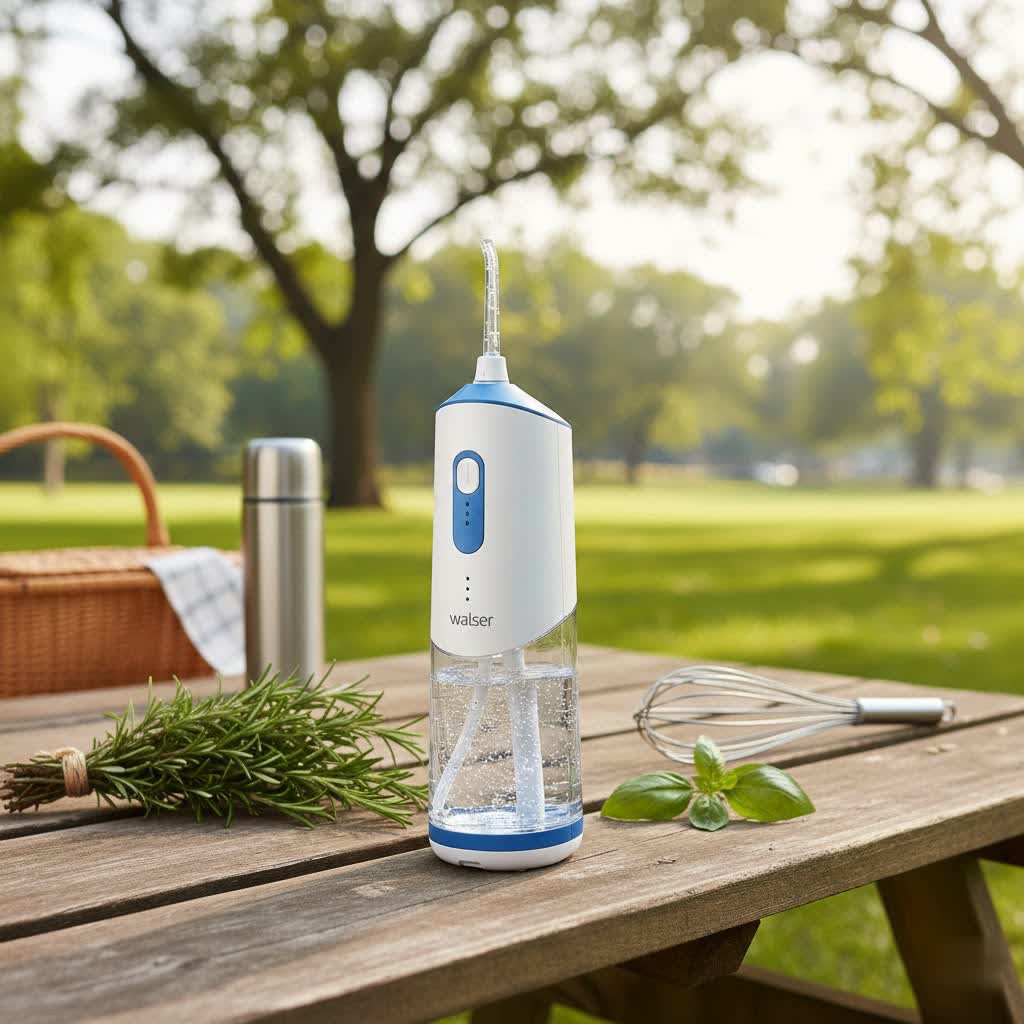
A water flosser, also known as an oral irrigator, is a dental device that uses a stream of pulsating water to remove food particles, plaque, and bacteria from between your teeth and beneath your gum line. Instead of scraping with a string, it uses hydropulses to dislodge debris, providing a thorough and gentle clean.
The principle is simple yet effective: a motor in the device powers a pump that draws water from a reservoir and delivers it through a thin nozzle as a targeted, high-pressure stream. This stream then blasts away anything clinging to your teeth and gums, even in the most hard-to-reach crevices. This method offers several distinct advantages over traditional string floss, which can sometimes be cumbersome and less effective for certain individuals or oral conditions.
The Benefits of Water Flossing Over Traditional Floss
While traditional string floss has its place, water flossers offer a host of benefits that make them a compelling upgrade for many:
- Superior Plaque Removal: Water flossers are highly effective at dislodging plaque and food particles, especially from areas that string floss struggles to reach, such as deep pockets between teeth and below the gumline. This thorough cleaning leaves your teeth and gums significantly cleaner and healthier.
- Improved Gum Health: The pulsating water stream gently massages the gums, which stimulates blood circulation and can reduce inflammation. This makes water flossers particularly beneficial for preventing and managing gum disease, gingivitis, and periodontal issues.
- Reduced Risk of Cavities: By efficiently removing plaque and bacteria, water flossers significantly lower the risk of cavity formation. A cleaner mouth means less acid production from bacteria, which is the primary cause of tooth decay.
- Fresher Breath: Bad breath, often caused by trapped food particles and bacteria, is effectively combated by the thorough cleaning action of a water flosser. It leaves your mouth feeling refreshed, much like after a dental cleaning.
- Ideal for Braces and Dental Work: Cleaning around orthodontic appliances like braces, bridges, crowns, or implants can be a major challenge with string floss. The powerful yet gentle water stream of a water flosser easily navigates around wires, brackets, and other dental work, ensuring these areas remain free of plaque and debris.
- Gentle on Sensitive Gums: For those with sensitive gums or conditions that make traditional flossing painful, a water flosser offers a less abrasive and often more comfortable cleaning experience. You can typically adjust the pressure settings to suit your comfort level.
- Time-Saving and Convenient: Many users find water flossing quicker and more enjoyable than traditional flossing. Its intuitive design allows for efficient cleaning of the entire mouth in just a few minutes, encouraging more consistent oral hygiene habits.
- A Naturally Brighter Smile: By removing surface stains caused by plaque and food particles, regular water flossing can contribute to a naturally whiter and brighter smile, complementing your brushing routine without the need for harsh whitening treatments.
Types of Water Flossers Available Today
The market offers a variety of water flossers, each designed to cater to different needs and lifestyles. Understanding the main types will help you choose the best fit for your oral care routine.
Countertop Water Flossers
These are the traditional models, often larger and more powerful, designed to sit on your bathroom counter.
- Features: Typically boast larger water reservoirs, multiple pressure settings, and a wider array of specialized tips. They usually plug into an electrical outlet.
- Pros:
- High Performance: Generally offer stronger and more consistent water pressure.
- Large Water Capacity: Less frequent refilling during a single flossing session.
- Variety of Tips: Come with a range of specialized nozzles for different needs (e.g., orthodontic, periodontal, plaque seeker, tongue cleaner).
- Durability: Often built for long-term daily use.
- Cons:
- Less Portable: Their size and reliance on an electrical outlet make them less suitable for travel.
- Counter Space: Require dedicated space on your bathroom counter.
- Can Be Messier: The powerful stream might create more splash if not used carefully.
|
Our Picks for the Best Water Flosser in 2026
As an Amazon Associate I earn from qualifying purchases.
|
||
| Num | Product | Action |
|---|---|---|
| 1 | COSLUS Water Dental Flosser Teeth Pick: Portable Cordless Oral Irrigator 300ML Rechargeable Travel Irrigation Cleaner IPX7 Waterproof Electric Flossing Machine for Teeth Cleaning C20(F5020E) |

|
| 2 | OILSAO Electric Toothbrush with Water Flosser Combo, All in One Sonic Toothbrush with 3 Modes & 5 Flossing Speeds, Rechargeable & Portable for Adult Teeth Cleaning and Plaque Removal,Pearl White |
|
| 3 | Onlyone Rechargeable Cordless Water Flosser with Adjustable Water Pressure for Daily Oral Care, Power Dental Flosser for Home and Travel Use, Portable Oral Irrigator for Sensitive Gums and Braces Care |
|
| 4 | Waterpik Cordless Pulse Rechargeable Portable Water Flosser for Teeth, Gums, Braces Care and Travel with 2 Flossing Tips, Waterproof for Shower, ADA Accepted, WF-20 Blue, Packaging and Tips May Vary |
|
| 5 | COSLUS Portable Water Flosser for Teeth: 3 Modes & 6 Pressure Settings with Jet Mode Water Dental Pick for Orthodontic, Braces, Sensitive Gums, Compact for Travel, 300ML for Multiple Users, White C51 |
|
| 6 | Benhip Water Flosser with Electric Toothbrush – 3 Sonic Toothbrush Modes & 5 Water Flossing Pressure – Fast Charging & IPX7 Waterproof – Portable Travel Case Included |
|
| 7 | Bitvae Water Dental Flosser for Teeth, Cordless Water Teeth Cleaner Picks, 3 Modes 5 Intensities, IPX7 Waterproof, Rechargeable Water Dental Picks for Cleaning - Black |
|
| 8 | Water Flosser, Water Dental Flosser Pick for Teeth, 300ML IPX7 Waterproof Oral Irrigator, 3 Modes 4 Replaceable Jet Tips, Professional Flossing Cleaning Picks for Home Travel Gums, Braces Care (Black) |
|
| 9 | COSLUS Portable Water Flosser for Teeth: 4 Modes & 5 Intensity Levels Professional Electric Dental Pick for Sensitive Gums, Braces & Orthodontic - Cordless for Travel Use, for Adults, BPA-Free, Pink |
|
| 10 | Waterpik Aquarius Water Flosser For Teeth Cleaning, Gums, Braces, Dental Care, Electric Power With 10 Settings, 7 Tips For Multiple Users And Needs, ADA Accepted, White WP-660, Packaging May Vary |
|
Cordless/Rechargeable Water Flossers
Designed for portability and convenience, these compact units are perfect for travel or for those with limited counter space.
- Features: Smaller reservoirs, rechargeable batteries, and often fewer pressure settings compared to countertop models.
- Pros:
- Portability: Ideal for travel or use in smaller bathrooms.
- Convenience: No cords to worry about, can be used in the shower.
- Space-Saving: Compact design takes up minimal space.
- Cons:
- Smaller Reservoir: May require refilling mid-session.
- Battery Life: Needs regular recharging.
- Potentially Less Powerful: Some models may have slightly lower maximum pressure than their countertop counterparts, though many modern cordless units offer comparable performance.
Faucet-Attached Water Flossers
These models connect directly to your bathroom faucet, using water pressure from your tap to create the stream.
- Features: No motor or reservoir; they rely entirely on your faucet’s water pressure.
- Pros:
- No Electricity Needed: Environmentally friendly and cost-effective.
- Unlimited Water Supply: No refilling required.
- Compact: Very small as there’s no motor or reservoir.
- Cons:
- Variable Pressure: Water pressure depends on your home’s tap pressure, which can fluctuate.
- Less Control: Fewer (if any) pressure settings.
- Faucet Attachment: Requires connecting to the faucet each time or dedicating a tap to it.
Your Essential Water Flosser Buying Guide
Choosing the perfect water flosser involves considering several key factors to match your personal oral health needs and lifestyle. Here’s what to look for:
Water Pressure Settings
This is crucial for both effectiveness and comfort.
- Importance: Adequate pressure is needed to dislodge plaque, but too much can irritate sensitive gums.
- What to Look For: Most quality water flossers offer multiple pressure settings, from gentle to maximum. Beginners or those with sensitive gums should start with lower settings and gradually increase as comfort allows. Look for at least 3-5 settings for good versatility.
Reservoir Capacity
The size of the water tank impacts how often you’ll need to refill.
- Importance: A larger reservoir means uninterrupted flossing, especially for countertop models. Cordless units typically have smaller tanks for portability.
- What to Look For:
- Countertop: Aim for at least 600ml (20 oz) for a full 60-90 second session without refilling.
- Cordless: 150-300ml (5-10 oz) is typical. Some users may need to refill once during a full mouth clean.
Number and Types of Nozzles (Tips)
Different tips are designed for specific oral care needs.
- Importance: Having the right tip ensures effective cleaning for various conditions.
- What to Look For:
- Standard Jet Tip: For general cleaning.
- Orthodontic Tip: Designed with a brush to clean around braces.
- Pik Pocket™ Tip: For periodontal pockets, delivering water gently below the gumline.
- Plaque Seeker™ Tip: With three thin tufts of bristles to target plaque around implants, crowns, bridges, and veneers.
- Tongue Cleaner Tip: To remove bacteria from the tongue for fresher breath.
- Quad Stream Tip: Some newer models offer tips that split the water into four streams for broader coverage and faster cleaning.
Modes and Features
Beyond basic pressure, some flossers offer advanced modes.
- Importance: Enhanced modes can improve cleaning efficacy and user experience.
- What to Look For:
- Massage Mode: For gum stimulation.
- Pulse Mode: Often used for general cleaning.
- Deep Clean Mode: For more intensive cleaning.
- Timer: A 2-minute timer with 30-second quadrant pacing ensures thorough cleaning.
- Waterproof Rating (IPX7): Essential for cordless models, allowing safe use in the shower.
Noise Level
Some water flossers can be quite loud.
- Importance: A quieter device offers a more pleasant user experience, especially if used early in the morning or late at night.
- What to Look For: Reviews often mention noise levels. Cordless models tend to be quieter than powerful countertop units.
Size and Weight
Consider your available counter space and whether you’ll travel with the device.
- Importance: Ensures the flosser fits into your lifestyle and bathroom.
- What to Look For:
- Countertop: Check dimensions to ensure it fits comfortably on your counter.
- Cordless: Look for a lightweight, ergonomic design that’s easy to hold and pack for travel.
Price
Water flossers range from budget-friendly to high-end.
- Importance: Balances features with your budget.
- What to Look For: Prices can range from $30 to $200+. More expensive models often offer a wider range of features, higher quality materials, and better durability. Consider it an investment in your oral health.
Reputable Brands
Opting for well-known brands often ensures quality, reliability, and good customer support.
- Key Players:
- Waterpik: A pioneer and leader in water flossing technology, widely recommended by dentists.
- Philips Sonicare: Known for innovative oral care products, offering effective water flossers with unique features like Quad Stream technology.
- Oral-B: Another established brand in oral hygiene, providing reliable water flosser options.
- Other Reputable Brands: Aquasonic, Burst, Quip, and MySmile also offer popular models, particularly in the cordless category.
Comparing Top Water Flosser Models
To help you make an informed decision, let’s look at some popular models and their key characteristics. Please note that specifications and prices can vary, so always check the latest details.
| Feature | Waterpik Aquarius (Countertop) | Philips Sonicare Power Flosser 3000 (Cordless) | Waterpik Cordless Advanced 2.0 (Cordless) | MySmile Cordless Oral Irrigator (Cordless) |
|---|---|---|---|---|
| Type | Countertop | Cordless | Cordless | Cordless |
| Water Pressure | 10 settings (10-100 PSI) | 3 intensities, 2 modes | 3 pressure settings | 5 modes |
| Reservoir | 650 ml (22 oz) | 250 ml (8.4 oz) | 207 ml (7 oz) | 350 ml (11.8 oz) |
| Nozzles Incl. | 7 (3 Classic, Orthodontic, Plaque, Pik Pocket, Tongue Cleaner) | 1-2 (Quad Stream & Standard) | 4 (2 Classic, Orthodontic, Plaque Seeker) | 8 |
| Modes | Floss, Hydro-Pulse Massage | Clean, Deep Clean | Standard, Gentle, Pulse | Soft, Standard, Pulse, Point, Power |
| Battery Life | N/A (corded) | ~14 days | ~21 days | ~20-30 days |
| Special Features | 1-minute timer with 30-sec pacer, Pause button | Quad Stream technology, Easy-fill reservoir | Waterproof (use in shower), Magnetic charger, Travel case | LED display, 2-minute timer |
| Pros | Excellent control, large capacity, wide tip variety | Effective Quad Stream, ergonomic, good battery | Highly portable, waterproof, comfortable handle | Large capacity for cordless, many tips, robust features |
| Cons | Bulky, corded | Smaller reservoir | Reservoir harder to remove | May be bulkier than other cordless |
| Approx. Price | $70 – $90 | $80 – $100 | $70 – $90 | $50 – $70 |
This comparison table highlights that countertop models like the Waterpik Aquarius offer maximum customization and capacity, while cordless options prioritize portability and convenience with varied features.
How to Use Your Water Flosser Effectively
Using a water flosser correctly is key to maximizing its benefits for your smile. Here’s a step-by-step guide:
1. Preparation Before Use
- Fill the Reservoir: Detach the water reservoir and fill it with lukewarm water. You can also add a small amount of non-foaming mouthwash for extra freshness, but avoid abrasive or thick mouthwashes.
- Select a Tip: Choose the appropriate nozzle for your needs and firmly insert it into the handle until it clicks.
- Adjust Pressure: If you’re a first-time user or have sensitive gums, start with the lowest pressure setting. You can gradually increase it as you get comfortable.
2. Steps for Using Your Water Flosser
- Lean Over the Sink: Stand or lean over a sink to allow the water to drain from your mouth. This prevents mess.
- Place Tip in Mouth: Place the tip into your mouth, pointing it at your gum line. Keep your lips slightly open to allow water to flow into the sink, but not too wide to minimize splashing.
- Turn On the Device: Turn on the water flosser.
- Guide the Stream: Start with your back teeth and work your way forward. Aim the water stream at the gum line at a 90-degree angle. Glide the tip along the gum line, pausing briefly between each tooth. Ensure you clean both the front and back surfaces of your teeth.
- Follow the Gum Line: Focus on the spaces between your teeth and the gum line. For braces, take extra care to clean around brackets and wires.
- Complete All Areas: Systematically clean all areas of your mouth, including the inside surfaces of your teeth and behind your last molars. Many dentists recommend dividing your mouth into four quadrants and spending at least 30 seconds on each.
- Turn Off and Empty: Once done, turn off the device, remove the tip, and empty any remaining water from the reservoir to prevent bacterial growth.
3. Tips for Best Results
- Daily Use: For optimal oral health, use your water flosser at least once a day, preferably before brushing.
- Don’t Rush: Take your time to ensure every tooth surface and gum line is thoroughly cleaned.
- Experiment with Pressure: Find the pressure setting that feels most comfortable and effective for you.
- Change Tips Regularly: Replace your water flosser tips every 3-6 months, or sooner if they become worn, to maintain hygiene and effectiveness.
- Maintain Your Device: Clean your water flosser regularly according to the manufacturer’s instructions to prevent mold or mineral buildup.
The Transformative Impact of Water Flossers on Oral Health
Incorporating a water flosser into your daily routine offers profound benefits that extend far beyond just cleaner teeth. It’s a holistic approach to enhancing your oral health and, by extension, your overall well-being.
- Deep Cleaning for Optimal Health: The pulsating water stream reaches deep into pockets and tight spaces that brushes and string floss often miss. This comprehensive cleaning is crucial for disrupting plaque biofilms and removing food debris, which are primary contributors to dental problems.
- Fighting Gum Disease: Water flossers are particularly effective at preventing and managing gum diseases like gingivitis and periodontitis. The gentle massage action of the water stimulates gum tissue, promoting better blood flow and reducing inflammation. Healthier gums are less likely to bleed and recede.
- Preventing Cavities and Bad Breath: By systematically clearing away plaque and bacteria, water flossers dramatically reduce the risk of tooth decay. Furthermore, eliminating bacteria and trapped food particles, especially on the tongue and around dental work, leads to significantly fresher breath.
- Enhancing Dental Work Longevity: For individuals with orthodontics, implants, crowns, or bridges, a water flosser is indispensable. It cleans effectively around these complex structures, helping to maintain their integrity and prevent complications that could arise from inadequate cleaning. This ensures your investments in dental health last longer and function better.
- Cultivating Better Habits: Many users find water flossing more comfortable and easier than traditional flossing, which encourages more consistent daily use. This leads to sustained improvements in oral hygiene and a proactive approach to dental care.
Ultimately, a water flosser isn’t just a gadget; it’s a vital tool that empowers you to take control of your oral health, leading to a cleaner mouth, stronger gums, and a more confident, brighter smile.
Important Considerations When Using a Water Flosser
While water flossers offer numerous advantages, it’s essential to use them wisely and be aware of a few key points:
- Not a Substitute for Brushing: A water flosser is a supplementary tool, not a replacement for brushing. You should continue to brush your teeth twice a day with a fluoride toothpaste to remove surface plaque and debris.
- Start Gently: Always begin with the lowest pressure setting and gradually increase it as your gums adjust. High pressure can be uncomfortable or even cause gum irritation if your gums are sensitive or inflamed.
- Regular Dental Check-ups: Even with diligent water flossing, regular visits to your dentist and dental hygienist are crucial. They can identify any underlying issues, perform professional cleanings, and offer personalized advice for your oral health.
- Consult Your Dentist: If you have severe gum disease, recent oral surgery, or specific dental concerns, consult your dentist before incorporating a water flosser into your routine. They can provide guidance on the most suitable type and technique for your condition.
- Hygiene and Maintenance: To prevent bacteria and mold buildup, always empty the reservoir after each use and clean your water flosser regularly according to the manufacturer’s instructions.
Conclusion
The journey to a truly healthy and confident smile is multifaceted, and the water flosser stands out as an indispensable tool in achieving this goal. From its superior ability to dislodge plaque and food particles to its gentle yet effective cleaning for those with sensitive gums or dental work, a water flosser elevates your oral hygiene routine significantly. By embracing this technology, you not only ensure cleaner teeth and healthier gums but also contribute to preventing common dental issues, enjoying fresher breath, and, ultimately, revealing a naturally brighter, more radiant smile.
Are you ready to transform your daily oral care and unlock the full potential of your smile? Invest in a water flosser and experience the refreshing difference it can make.
Frequently Asked Questions
Is a water flosser better than string floss?
Many dental professionals and users find water flossers more effective, especially for reaching hard-to-access areas, cleaning around braces or implants, and promoting gum health due to the pulsating water stream. While traditional string floss is good, water flossers often offer a more thorough and comfortable clean for a wide range of individuals, leading to better overall oral hygiene.
Can water flossers whiten teeth?
Water flossers do not directly whiten teeth like bleaching agents. However, by effectively removing surface stains caused by plaque and food particles that accumulate daily, they can reveal your teeth’s natural brightness, making your smile appear whiter and healthier over time.
How often should I use a water flosser?
For optimal results and improved oral health, it is recommended to use a water flosser at least once a day, ideally before you brush your teeth. Consistent daily use helps to effectively remove debris and plaque, preventing buildup and promoting healthier gums and a cleaner mouth.
Can children use water flossers?
Yes, many water flossers are suitable for children, especially those with braces, as they can be easier and more fun to use than string floss. It’s important to select a model with adjustable pressure settings and supervise children to ensure they use it correctly, starting with the lowest pressure.
What kind of water should I put in my water flosser?
You should use lukewarm tap water in your water flosser. While some people add a small amount of non-foaming, non-abrasive mouthwash for added freshness, it’s generally best to stick to water. Always empty the reservoir after each use to prevent bacterial growth and mineral buildup.
