Maintaining peak oral hygiene goes beyond just brushing; it requires diligent cleaning between your teeth and along the gum line, areas often missed by conventional toothbrushes. If you’ve found traditional string flossing challenging or are seeking a more advanced approach, an Oral Water Flosser might be the perfect solution to elevate your dental care routine. This comprehensive guide, informed by over a decade of specialized experience in dental care products, will delve into everything you need to know about these innovative devices, from understanding their mechanism to selecting the best model and mastering its use for a healthier, brighter smile.
What is an Oral Water Flosser?
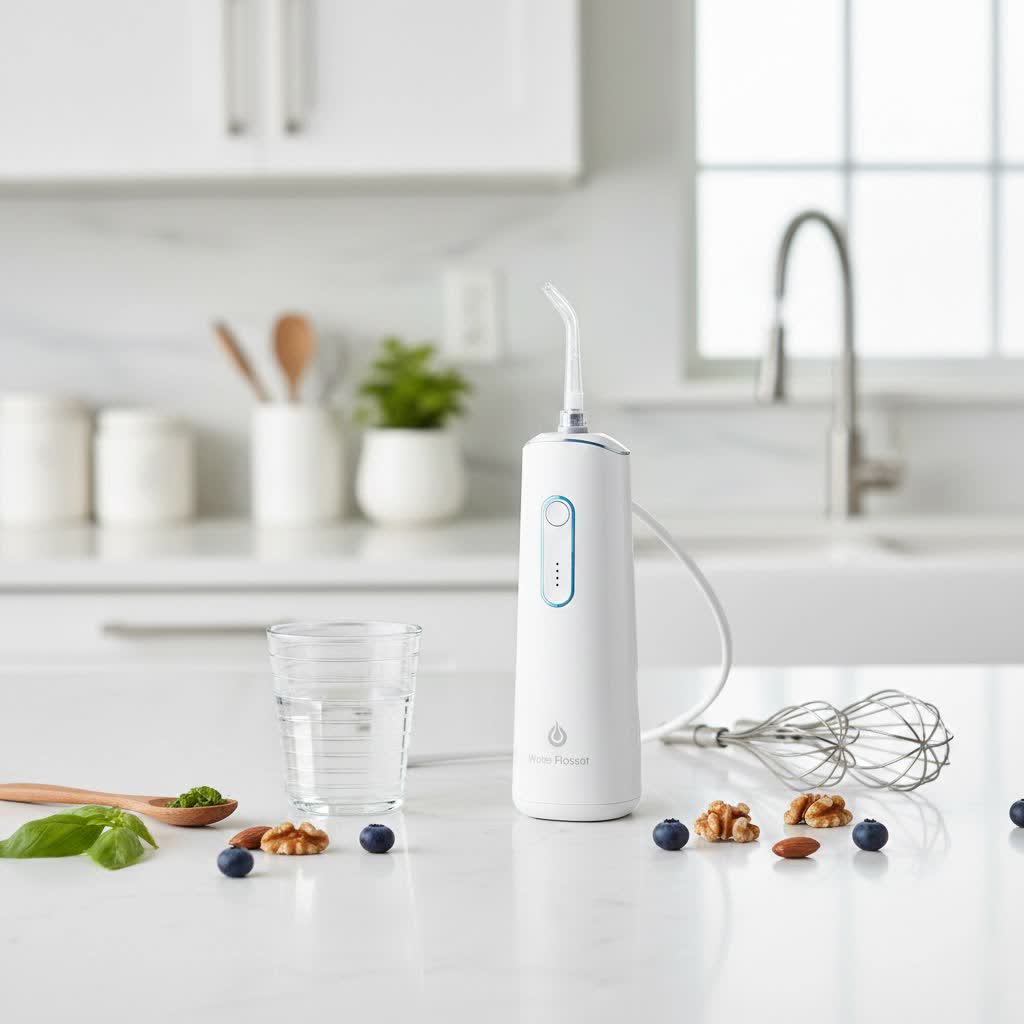
An oral water flosser, also known as a dental water jet or oral irrigator, is a modern dental care device designed to enhance interdental cleaning. It works by emitting a stream of high-pressure pulsating water that effectively dislodges food particles, plaque, and bacteria from between teeth and beneath the gum line. Unlike string floss, which physically scrapes plaque, a water flosser utilizes the power of water to flush away debris, making it a gentler yet highly effective method for maintaining oral cleanliness. Its primary principle involves directing water into the tight spaces of your mouth, ensuring comprehensive cleaning even in hard-to-reach areas.
The benefits of incorporating a water flosser into your routine are extensive, often surpassing those of traditional string floss, especially for individuals with specific oral health needs. This method provides a thorough clean that can improve gum health, reduce inflammation, and efficiently manage plaque buildup, paving the way for a significantly healthier mouth.
Types of Oral Water Flossers
Water flossers come in various designs, each offering distinct advantages tailored to different lifestyles and needs. Understanding these types is crucial for selecting the device that best integrates into your daily oral hygiene practice.
Countertop Water Flossers: These models are typically larger and require an electrical outlet, making them ideal for home use where space and power are readily available.
- Pros: Countertop units generally offer the strongest water pressure and largest reservoir capacities, allowing for longer, uninterrupted flossing sessions. They often come with multiple pressure settings and a wider array of specialized tips, providing versatile and powerful cleaning.
- Cons: Their size makes them less portable, and they occupy more counter space.
- Best For: Families, power users, or individuals with significant dental work who need consistent, thorough cleaning with customizable features. Models like the Waterpik Aquarius Professional are well-regarded for their robust performance and large tanks.
Cordless/Rechargeable Water Flossers: Designed for portability and convenience, these devices are battery-operated and compact.
- Pros: Cordless flossers are lightweight, rechargeable, and waterproof, making them excellent for travel, small bathrooms, or use in the shower. They offer great flexibility without the need for an outlet during use.
- Cons: They typically have smaller reservoirs, requiring more frequent refills, and may offer slightly less powerful pressure compared to countertop models.
- Best For: Travelers, individuals with limited counter space, or those seeking a minimalist and easy-to-handle device. The Waterpik Cordless Advanced and Philips Sonicare Cordless Power Flosser 3000 are popular choices in this category.
Choosing between these types often boils down to your primary use case. If you prioritize power and extensive features for daily home use, a countertop model is likely superior. For flexibility, travel, and ease of handling, a cordless flosser will serve you better.
How to Choose the Best Oral Water Flosser (Buying Guide)
Selecting the right oral water flosser involves considering several key factors to ensure it meets your specific dental needs and preferences.
- Water Pressure: Look for models with adjustable pressure settings. Starting with a lower pressure is recommended, especially for beginners or those with sensitive gums, gradually increasing it as you become comfortable. A good range allows for personalized cleaning.
- Reservoir Capacity: A larger reservoir means longer flossing time without refills, which is convenient for thorough cleaning sessions. Countertop models generally have larger tanks (e.g., 650ml), while cordless units have smaller ones.
- Nozzle Types: Different tips cater to various needs. Common types include:
- Standard Jet Tips: For general cleaning.
- Orthodontic Tips: Designed to clean around braces and wires.
- Pik Pocket™ Tips: For periodontal pockets.
- Tongue Cleaners: For fresh breath.
- Plaque Seeker™ Tips: For implants, crowns, bridges. Some models, like the Philips Sonicare 3000, offer unique “quad stream” tips for broader coverage.
- Modes: Beyond standard cleaning, some water flossers offer massage modes for gum stimulation or sensitive modes for gentle cleaning.
- Noise Level: While often overlooked, a quieter device can significantly improve your user experience.
- Size and Weight: Consider your available counter space and whether you plan to travel with the device. Cordless models are more compact, while countertop units are bulkier.
- Price: Water flossers range from budget-friendly options to high-end devices with advanced features. Determine your budget and balance it with the features that are most important to you.
Reputable Brands: Several brands consistently receive high ratings for their water flossers. Waterpik is often considered the industry leader, with models like the Waterpik Aquarius Professional and Waterpik Cordless Advanced being top choices in 2026. Other highly recommended brands include Oral-B (e.g., Water Flosser Advanced), Philips Sonicare (Cordless Power Flosser 3000), Quip, and Burst, each offering unique features and designs. For budget-conscious users, brands like Nicwell and COSLUS also provide effective options.
Top Oral Water Flosser Models Comparison
To help you make an informed decision, here’s a comparison of some highly-rated oral water flossers in 2026:
| Model | Type | Pressure Settings | Reservoir Capacity | Key Nozzle Types | Price Range | Ideal User |
|---|---|---|---|---|---|---|
| Waterpik Aquarius Professional | Countertop | 10 | 650ml | Standard, Orthodontic, Pik Pocket™ | $90-$120 | Families, braces, gum disease, deep cleaning |
| Waterpik Cordless Advanced | Cordless | 3 | 200ml | Standard, Orthodontic | $70-$90 | Travelers, small bathrooms, daily portability |
| Philips Sonicare Cordless 3000 | Cordless | 3 | 250ml | Standard, Quad Stream | $70-$100 | Beginners, sensitive gums, comprehensive coverage |
| Oral-B Water Flosser Advanced | Cordless | 3 (Intense, Medium, Sensitive) | 200ml | Multi-Jet, Focused, Rotational | $65-$85 | Targeted cleaning, gum massage, braces |
> “The versatility of modern water flossers, with their varied tips and pressure settings, makes them an indispensable tool for tailored oral care, particularly for those with unique dental challenges like orthodontics or implants.” – Dr. Sarah Chen, Lead Dentist & Oral Health Specialist
How to Use Your Oral Water Flosser Correctly
Maximizing the effectiveness of your oral water flosser depends on using it with the correct technique. Follow these steps for an optimal cleaning experience:
- Preparation: Fill the reservoir with lukewarm water. Warm water is gentler on your gums. You can add a small amount of dentist-recommended mouthwash for an enhanced fresh feeling. Select the appropriate nozzle tip for your needs and attach it securely.
- Adjust Pressure: If you’re new to water flossing, always start with the lowest pressure setting. Gradually increase the pressure to a level that feels comfortable and effective for your gums.
- Positioning: Lean over the sink to prevent splashing. Place the nozzle tip into your mouth, starting with your back teeth. Do not turn the device on until the tip is in your mouth.
- Begin Flossing: Angle the tip at a 90-degree angle to your gum line. Turn on the device. Guide the water stream slowly along your gum line, pausing briefly (about two seconds) between each tooth. Make sure to clean both the inside and outside surfaces of your teeth, as well as the spaces between them. The entire process should take approximately two minutes.
- Empty and Clean: Once you’ve completed flossing, turn off the device and remove the nozzle. Empty any remaining water from the reservoir and rinse it thoroughly. Allow the reservoir and tip to air dry to prevent bacterial growth.
Tips for Best Results:
- Use your water flosser once a day, ideally before brushing, as it can loosen debris that your toothbrush can then sweep away.
- For those with braces, pay extra attention to cleaning around brackets and wires.
- Replace nozzle tips every 3-6 months for optimal hygiene and performance.
Benefits of Oral Water Flossers For Dental Health
Integrating an oral water flosser into your daily routine offers a myriad of benefits that contribute significantly to superior dental health.
- Removes Plaque and Bacteria: The pulsating water effectively dislodges up to 99.9% of plaque from treated areas, reducing the bacterial film that leads to dental issues.
- Prevents Cavities and Gingivitis: By thoroughly cleaning between teeth and below the gum line, water flossers help remove food particles and plaque before they can cause cavities or lead to gingivitis, the early stage of gum disease characterized by inflammation and bleeding.
- Improves Gum Health: The gentle water massage stimulates gum tissue, improving blood circulation and overall gum health. Studies show water flossers are highly effective at reducing gum bleeding and inflammation.
- Cleans Hard-to-Reach Areas: For individuals with crowded teeth, deep periodontal pockets, or other anatomical challenges, the water stream can access areas that traditional floss simply cannot.
- Ideal for Specific Dental Conditions: Water flossers are particularly beneficial for people with dental work such as braces, crowns, bridges, or dental implants, as they can clean around these appliances without damage. They are also highly recommended for individuals with sensitive gums or those suffering from periodontal disease, offering a gentle yet powerful clean. Furthermore, people with dexterity issues (e.g., arthritis) find water flossers much easier to use than string floss.
Important Considerations When Using an Oral Water Flosser
While oral water flossers are excellent tools, it’s essential to understand their role in a comprehensive oral hygiene regimen.
- Not a Substitute for Brushing: A water flosser complements brushing but does not replace it. Brushing physically removes plaque from tooth surfaces, while flossing (whether string or water) cleans between teeth and below the gum line. For optimal health, dentists often recommend using both.
- Adjust Water Pressure: Always start with a low-pressure setting and gradually increase it. Using too high a pressure initially can cause discomfort or irritate sensitive gums.
- Consult Your Dentist: If you have severe gum disease, complex dental work, or any persistent oral health concerns, consult your dentist for personalized advice on how to best integrate a water flosser into your routine. They can recommend specific tips or techniques tailored to your condition.
Conclusion
The oral water flosser has revolutionized interdental cleaning, offering a powerful yet gentle method to achieve and maintain optimal dental health. From effectively removing plaque and bacteria to improving gum health and providing an accessible solution for those with braces or sensitive gums, its benefits are clear. While it serves as an excellent complement to daily brushing and, for many, an easier alternative or addition to string flossing, remember that consistent daily practice is paramount. Investing in a quality oral water flosser and using it correctly can significantly transform your oral hygiene, leading to a fresher mouth and a more confident smile.
Are you ready to experience the refreshing difference an oral water flosser can make in your daily routine?
Frequently Asked Questions
Is an oral water flosser better than string floss for plaque removal?
|
Our Picks for the Best Water Flosser in 2026
As an Amazon Associate I earn from qualifying purchases.
|
||
| Num | Product | Action |
|---|---|---|
| 1 | COSLUS Water Dental Flosser Teeth Pick: Portable Cordless Oral Irrigator 300ML Rechargeable Travel Irrigation Cleaner IPX7 Waterproof Electric Flossing Machine for Teeth Cleaning C20(F5020E) |

|
| 2 | Bitvae Water Dental Flosser for Teeth, Cordless Water Teeth Cleaner Picks, 3 Modes 5 Intensities, IPX7 Waterproof, Rechargeable Water Dental Picks for Cleaning - Black |
|
| 3 | COSLUS Portable Water Flosser for Teeth: 3 Modes & 6 Pressure Settings with Jet Mode Water Dental Pick for Orthodontic, Braces, Sensitive Gums, Compact for Travel, 300ML for Multiple Users, White C51 |
|
| 4 | Water Flosser, Water Dental Flosser Pick for Teeth, 300ML IPX7 Waterproof Oral Irrigator, 3 Modes 4 Replaceable Jet Tips, Professional Flossing Cleaning Picks for Home Travel Gums, Braces Care (Black) |
|
| 5 | Waterpik Aquarius Water Flosser For Teeth Cleaning, Gums, Braces, Dental Care, Electric Power With 10 Settings, 7 Tips For Multiple Users And Needs, ADA Accepted, White WP-660, Packaging May Vary |
|
| 6 | OILSAO Electric Toothbrush with Water Flosser Combo, All in One Sonic Toothbrush with 3 Modes & 5 Flossing Speeds, Rechargeable & Portable for Adult Teeth Cleaning and Plaque Removal,Pearl White |
|
| 7 | Benhip Water Flosser with Electric Toothbrush – 3 Sonic Toothbrush Modes & 5 Water Flossing Pressure – Fast Charging & IPX7 Waterproof – Portable Travel Case Included |
|
| 8 | COSLUS Portable Water Flosser for Teeth: 4 Modes & 5 Intensity Levels Professional Electric Dental Pick for Sensitive Gums, Braces & Orthodontic - Cordless for Travel Use, for Adults, BPA-Free, Pink |
|
| 9 | Waterpik Cordless Pulse Rechargeable Portable Water Flosser for Teeth, Gums, Braces Care and Travel with 2 Flossing Tips, Waterproof for Shower, ADA Accepted, WF-20 Blue, Packaging and Tips May Vary |
|
| 10 | Onlyone Rechargeable Cordless Water Flosser with Adjustable Water Pressure for Daily Oral Care, Power Dental Flosser for Home and Travel Use, Portable Oral Irrigator for Sensitive Gums and Braces Care |
|
Research indicates that both oral water flossers and string floss effectively remove plaque and reduce gingivitis. While string floss excels at physically scraping sticky plaque from tooth surfaces, water flossers are often more effective at flushing out food particles, cleaning below the gum line, and reducing gum bleeding, particularly in hard-to-reach areas and around dental work. Many dental professionals recommend using both for comprehensive care.
How often should I use a water flosser?
For optimal results, it is recommended to use your oral water flosser at least once a day. Many users find it beneficial to use it before brushing their teeth, as it helps loosen debris and makes subsequent brushing more effective. Consistency is key to maintaining healthy gums and preventing plaque buildup.
Can kids use oral water flossers?
Yes, children can use oral water flossers, especially those with braces or who struggle with traditional string floss. It’s important to supervise them, ensure they use the lowest pressure setting, and choose a model that is easy for small hands to handle. Consult a pediatric dentist for specific recommendations.
What kind of water should I use in my water flosser?
Always use lukewarm water in your water flosser. Cold water can be uncomfortable for sensitive teeth and gums, while hot water may damage the device. Some individuals choose to add a small amount of non-alcohol mouthwash to the reservoir for an extra boost of freshness and antimicrobial benefits, but plain water is perfectly sufficient. Avoid using saltwater or highly acidic solutions unless advised by a dentist.
Are water flossers good for gum disease?
Oral water flossers are highly beneficial for individuals with gum disease (gingivitis or periodontitis). The pulsating water stream effectively cleans deep into periodontal pockets, removes bacteria, and reduces inflammation, leading to improved gum health. However, a water flosser should be used as part of a comprehensive treatment plan supervised by a dental professional.
