Are you looking for a smarter way to maintain dazzling oral hygiene and a truly fresh smile? Many people struggle with traditional string flossing, finding it cumbersome or ineffective, especially with braces, implants, or sensitive gums. The good news is, a water dental flosser can revolutionize your routine, reaching areas that string floss often misses and providing a comprehensive clean. This guide, informed by extensive experience in dental care products, will help you navigate the world of water flossers, ensuring you pick the perfect device to elevate your oral health.
What is a Water Flosser?
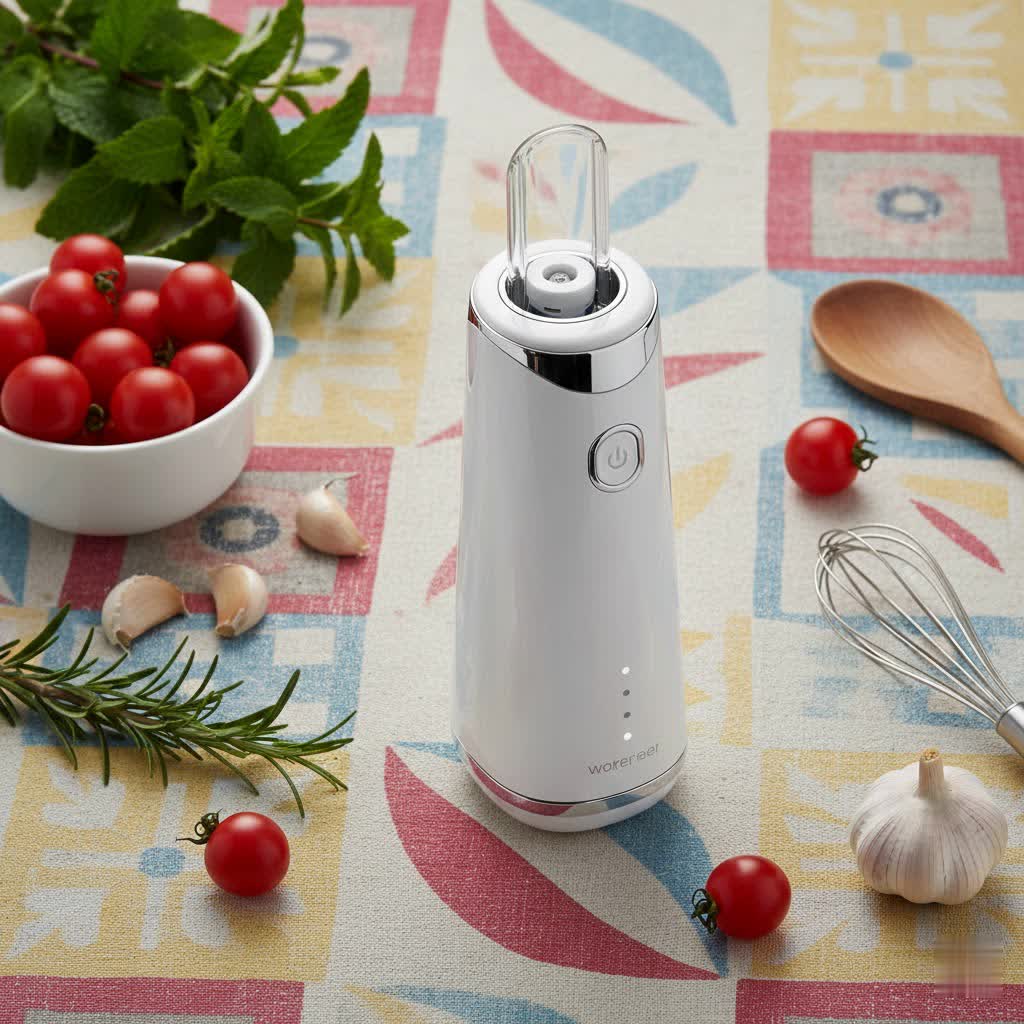
A water flosser, also known as an oral irrigator, is a dental hygiene device that uses a stream of pulsating water to remove food particles, plaque, and bacteria from between teeth and below the gum line. Instead of scraping with a string, it gently yet powerfully flushes out debris, making it an excellent complement to brushing. The principle behind its operation involves a motor-driven pump that pressurizes water from a reservoir, sending it through a specialized nozzle and into your mouth.
The primary benefit of using a water flosser over traditional string floss lies in its ability to clean hard-to-reach areas and its user-friendliness. While string floss requires a certain level of dexterity and technique, a water flosser simplifies the process, making it more accessible for a wider range of users, including those with orthodontic appliances, dental crowns, bridges, or implants. It also provides a massaging effect on the gums, which can improve gum health and reduce inflammation.
Popular Types of Water Flossers
Water flossers come in various designs, each offering distinct advantages. Understanding the different types will help you determine which best fits your lifestyle and oral care needs.
Countertop Water Flosser
These models are typically larger, designed to sit on your bathroom counter. They feature a generous water reservoir, which means fewer refills during a single flossing session, and often come with a wider range of pressure settings and specialized tips.
- Pros: Larger water capacity, more powerful and consistent water pressure, multiple pressure settings, variety of interchangeable tips, generally more durable.
- Cons: Less portable, takes up more counter space, requires an electrical outlet.
- Best for: Individuals or families who prefer a robust cleaning experience at home, those with extensive dental work, or anyone needing varied settings.
|
Our Picks for the Best Water Flosser in 2026
As an Amazon Associate I earn from qualifying purchases.
|
||
| Num | Product | Action |
|---|---|---|
| 1 | Water Flosser, Water Dental Flosser Pick for Teeth, 300ML IPX7 Waterproof Oral Irrigator, 3 Modes 4 Replaceable Jet Tips, Professional Flossing Cleaning Picks for Home Travel Gums, Braces Care (Black) |

|
| 2 | Waterpik Cordless Pulse Rechargeable Portable Water Flosser for Teeth, Gums, Braces Care and Travel with 2 Flossing Tips, Waterproof for Shower, ADA Accepted, WF-20 Blue, Packaging and Tips May Vary |
|
| 3 | OILSAO Electric Toothbrush with Water Flosser Combo, All in One Sonic Toothbrush with 3 Modes & 5 Flossing Speeds, Rechargeable & Portable for Adult Teeth Cleaning and Plaque Removal,Pearl White |
|
| 4 | Onlyone Rechargeable Cordless Water Flosser with Adjustable Water Pressure for Daily Oral Care, Power Dental Flosser for Home and Travel Use, Portable Oral Irrigator for Sensitive Gums and Braces Care |
|
| 5 | COSLUS Portable Water Flosser for Teeth: 3 Modes & 6 Pressure Settings with Jet Mode Water Dental Pick for Orthodontic, Braces, Sensitive Gums, Compact for Travel, 300ML for Multiple Users, White C51 |
|
| 6 | COSLUS Portable Water Flosser for Teeth: 4 Modes & 5 Intensity Levels Professional Electric Dental Pick for Sensitive Gums, Braces & Orthodontic - Cordless for Travel Use, for Adults, BPA-Free, Pink |
|
| 7 | Bitvae Water Dental Flosser for Teeth, Cordless Water Teeth Cleaner Picks, 3 Modes 5 Intensities, IPX7 Waterproof, Rechargeable Water Dental Picks for Cleaning - Black |
|
| 8 | Waterpik Aquarius Water Flosser For Teeth Cleaning, Gums, Braces, Dental Care, Electric Power With 10 Settings, 7 Tips For Multiple Users And Needs, ADA Accepted, White WP-660, Packaging May Vary |
|
| 9 | COSLUS Water Dental Flosser Teeth Pick: Portable Cordless Oral Irrigator 300ML Rechargeable Travel Irrigation Cleaner IPX7 Waterproof Electric Flossing Machine for Teeth Cleaning C20(F5020E) |
|
| 10 | Benhip Water Flosser with Electric Toothbrush – 3 Sonic Toothbrush Modes & 5 Water Flossing Pressure – Fast Charging & IPX7 Waterproof – Portable Travel Case Included |
|
Cordless/Rechargeable Water Flosser
Cordless models are compact, battery-operated, and designed for portability and convenience. They are excellent for travel or for those with limited counter space.
- Pros: Portable and travel-friendly, compact design, no cords tethering you to an outlet, generally quieter.
- Cons: Smaller reservoir requires more frequent refills, battery needs recharging, may have fewer pressure settings compared to countertop models, potentially less powerful water pressure.
- Best for: Travelers, individuals with small bathrooms, or those who prefer the flexibility of not being tethered to an outlet during use.
When deciding, consider your daily routine. If you need a powerful, feature-rich device for consistent home use, a countertop model might be ideal. If convenience, portability, and ease of use on the go are your priorities, a cordless flosser would be more suitable.
Water Flosser Buying Guide
Choosing the Best Water Dental Flosser involves evaluating several key factors to ensure it meets your specific oral health requirements and preferences.
Essential Factors to Consider:
- Water Pressure: Look for a model with adjustable pressure settings. Beginners or those with sensitive gums should start with lower pressure, while higher settings are effective for deep cleaning and removing stubborn plaque. A wide range offers versatility.
- Reservoir Capacity: A larger reservoir means less refilling during a single flossing session, providing uninterrupted cleaning. Countertop models usually have larger tanks (600ml+), while cordless versions are typically smaller (150-300ml). Aim for at least 60 seconds of continuous flossing capacity.
- Nozzle Types: Most water flossers come with several interchangeable tips. Common types include:
- Classic Jet Tip: For general cleaning.
- Orthodontic Tip: Designed for cleaning around braces and orthodontic appliances.
- Plaque Seeker Tip: For implants, crowns, and other dental work.
- Pik Pocket Tip: For periodontal pockets.
- Tongue Cleaner: To remove bacteria causing bad breath.
- Ensure the flosser includes tips relevant to your dental needs.
- Modes: Beyond just pressure, some flossers offer different modes like “massage” for gum stimulation, “sensitive,” or “deep clean.” These can enhance your experience and cater to various needs.
- Noise Level: Some water flossers can be noisy. If quiet operation is important to you, look for models specifically marketed as low-noise.
- Size and Weight: For countertop models, consider available space. For cordless models, evaluate portability – a lighter, more compact design is better for travel.
- Price: Water flossers range widely in price. Determine your budget, but remember that investing in a quality device can lead to better oral health outcomes.
Reputable Brands:
When it comes to water flossers, a few brands consistently stand out for their reliability, performance, and dental professional recommendations. Waterpik is often considered the pioneer and a gold standard, with many models carrying the American Dental Association (ADA) Seal of Acceptance. Philips Sonicare is another highly regarded brand, also offering ADA-approved options, known for its innovative technology. Other reputable brands that offer good performance and value include Aquasonic, H2ofloss, MySmile, and Bitvae. Always check for product reviews and expert opinions before making a purchase.
Comparison of the Best Water Flosser Models
To help you narrow down your choices, here’s a comparison of some highly-rated water flosser models that cater to different needs and budgets.
| Model | Type | Water Pressure Settings | Reservoir Capacity | Key Features | Price Range | Best For |
|---|---|---|---|---|---|---|
| Waterpik Aquarius Water Flosser | Countertop | 10 | 650ml (90s) | Floss Mode, Hydro-Pulse Massage Mode, 7 Tips, Sleek Design | Mid-High | Overall best, customization, family use |
| Philips Sonicare Power Flosser 3000 | Cordless | 2 (Clean, Deep Clean) | 250ml (60s) | Pulse Wave Technology, 360-degree nozzle, Easy to fill | Mid | Powerful cordless, travel, good for newbies |
| Waterpik ION Professional Cordless | Cordless | 10 | 650ml (90s) | Retractable hose, 7 Tips, Rechargeable battery, Compact for a countertop | Mid-High | Cordless power, minimal counter clutter |
| Aquasonic Aqua Flosser | Cordless | 3 | 300ml (50s) | Portable, Rechargeable, 4 Tips, Good budget option | Low-Mid | Budget-conscious, travel |
| H2ofloss Cordless Oral Irrigator | Cordless | 5 | 300ml (60s) | Rechargeable, 8 Tips, Intuitive design | Low-Mid | Beginners, budget-friendly |
| Waterpik Sonic-Fusion 2.0 | Combo (Toothbrush & Flosser) | 10 | 450ml (60s) | Sonic brushing & water flossing, 2 brush heads, 1 flossing tip | High | All-in-one convenience, braces, implants |
| MySmile Cordless Oral Irrigator | Cordless | 5 | 300ml (60s) | 8 Tips, 2-minute timer, Effective deep cleaning | Low-Mid | Deep cleaning, multiple tips |
Please note: Prices are approximate and subject to change based on retailer and promotions.
> “Water flossers are invaluable for reaching areas where traditional string floss struggles, especially for patients with braces or complex dental work. They significantly improve gum health and help prevent common issues like gingivitis.” – Dr. Rhonda Kalasho, Cosmetic Dentist.
How to Use a Water Flosser Correctly
To maximize the benefits of your water flosser, proper technique is crucial. Follow these steps for an effective and comfortable experience:
Preparation Before Use:
- Fill the Reservoir: Remove the reservoir and fill it with lukewarm water. You can add a small amount of mouthwash if desired, but always rinse with plain water afterward to prevent mineral buildup.
- Select a Tip: Choose the appropriate nozzle tip for your needs and securely insert it into the flosser handle.
- Adjust Pressure: If you’re a first-time user or have sensitive gums, start with the lowest pressure setting and gradually increase it as you get comfortable.
Steps for Using Your Water Flosser:
- Lean Over Sink: Lean over the sink to allow the water to drain, preventing splashes.
- Place Tip in Mouth: Place the tip in your mouth, pointing it towards your gumline. Close your lips enough to prevent splashing but allow water to flow into the sink.
- Start Flosser: Turn on the water flosser.
- Target Gumline: Direct the stream of water at a 90-degree angle to your gumline, working your way around each tooth.
- Pause Between Teeth: Briefly pause the stream between teeth, allowing the water to clean the interdental spaces and below the gumline.
- Work Around the Mouth: Systematically move around your mouth, cleaning both the front and back of your teeth. Spend approximately two minutes to clean your entire mouth thoroughly.
Tips for Best Results:
- Use Daily: For optimal oral health, use your water flosser at least once a day, preferably before or after brushing.
- Warm Water: Using lukewarm water can make the experience more comfortable, especially for sensitive teeth.
- Aim Precisely: Focus the water stream on the gumline and between teeth to effectively dislodge plaque and food particles.
- Take Your Time: Don’t rush. A thorough cleaning takes about 1-2 minutes.
Cleaning and Maintenance:
After each use, empty any remaining water from the reservoir. For countertop models, wipe down the unit. Periodically, clean the reservoir and handle with a mild soap and water solution. If you use mouthwash, run plain water through the flosser afterward to prevent clogs and buildup. Replace nozzle tips every 3-6 months, or sooner if they show signs of wear.
Benefits of Water Flossers for Oral Health
Incorporating a water flosser into your daily routine offers a myriad of advantages for your overall oral health, going beyond what traditional brushing alone can achieve.
Removes Plaque and Bacteria
The pulsating water stream effectively dislodges and rinses away plaque, food debris, and harmful bacteria from tooth surfaces and below the gumline. This thorough cleaning helps prevent the accumulation of biofilm that leads to dental problems.
Prevents Cavities and Gum Disease
By consistently removing plaque and bacteria, water flossers play a significant role in preventing cavities (tooth decay) and gingivitis, the early stage of gum disease. Reducing bacteria buildup helps maintain a healthier oral environment.
Improves Gum Health
The gentle massage action of the water stream stimulates gum tissue, promoting better circulation and reducing inflammation. This can lead to healthier, firmer gums and helps reverse early signs of gum disease.
Cleans Hard-to-Reach Areas
Water flossers excel at cleaning spaces that are difficult for toothbrushes and string floss to access, such as the back molars, deep gum pockets, and around dental work.
Ideal for Specific Dental Needs
- Braces: The orthodontic tip is specifically designed to clean around wires and brackets, making it much easier and more effective than string floss for individuals with braces.
- Dental Implants, Crowns, and Bridges: Water flossers can gently clean around these restorations, helping to prevent peri-implantitis and other complications by removing debris without damaging the dental work.
- Periodontal Disease: For those with gum disease, water flossers can help manage the condition by flushing out bacteria from periodontal pockets.
- Dexterity Issues: Individuals with arthritis, carpal tunnel syndrome, or other conditions affecting hand dexterity find water flossers significantly easier to use than string floss.
A water flosser is a powerful tool in your oral hygiene arsenal, offering a superior clean and contributing significantly to long-term dental health.
Important Considerations When Using a Water Flosser
While water flossers are highly beneficial, it’s essential to use them correctly and be aware of certain considerations to ensure optimal results and avoid potential issues.
- Not a Substitute for Brushing: A water flosser should complement, not replace, regular toothbrushing. Brushing removes plaque and food particles from tooth surfaces, while water flossing targets areas between teeth and below the gumline. For comprehensive care, brush twice daily and water floss once daily.
- Adjust Water Pressure: Always start with the lowest pressure setting and gradually increase it. Using too high a pressure initially can cause gum irritation or sensitivity. Listen to your gums and adjust accordingly to ensure a comfortable and effective experience.
- Consult Your Dentist: If you have severe gum disease, very sensitive gums, or specific dental concerns, consult your dentist or periodontist before incorporating a water flosser into your routine. They can offer personalized advice and recommend the best settings or tips for your individual needs.
- Maintenance is Key: Regular cleaning of your water flosser’s reservoir and components is crucial to prevent the buildup of bacteria, mold, or mineral deposits, ensuring hygienic operation and longevity of the device.
By keeping these points in mind, you can maximize the effectiveness of your water flosser and enjoy improved oral health with confidence.
Conclusion
Choosing the best water dental flosser is a significant step towards achieving superior oral hygiene. From countertop powerhouses to portable cordless units, the market offers a diverse range of options tailored to every need. Key factors like adjustable water pressure, reservoir capacity, and specialized nozzle tips are crucial in making an informed decision, with reputable brands like Waterpik and Philips Sonicare leading the way in innovation and reliability. By integrating a water flosser into your daily routine and using it correctly, you can effectively combat plaque, prevent gum disease, and maintain a healthier, brighter smile. Isn’t it time to experience the next level of dental clean?
Frequently Asked Questions
What is the primary difference between a water flosser and traditional string floss?
A water flosser uses a stream of pulsating water to remove plaque and food debris from between teeth and below the gumline, whereas traditional string floss physically scrapes these areas. Water flossers are often more effective for cleaning around braces, implants, and for individuals with dexterity challenges.
Can a water flosser replace brushing my teeth?
No, a water flosser is not a substitute for brushing. Brushing is essential for removing plaque and food particles from the surfaces of your teeth. A water flosser complements brushing by cleaning areas that a toothbrush might miss, particularly between teeth and below the gumline.
Are water flossers safe for people with braces or dental implants?
Yes, water flossers are highly recommended for individuals with braces, dental implants, crowns, or bridges. Specialized orthodontic tips are designed to clean around wires and brackets effectively, and the gentle yet powerful water stream can clean around implants without causing damage, promoting overall oral health.
How often should I use a water flosser?
For optimal oral hygiene, it is recommended to use a water flosser at least once a day, preferably after brushing. Consistent daily use significantly helps in reducing plaque buildup, preventing gum disease, and maintaining fresh breath.
What kind of water should I put in my water flosser?
Always use lukewarm water in your water flosser for comfort, especially if you have sensitive teeth. While some models allow for a small amount of non-abrasive mouthwash, it’s generally best to follow up with a plain water rinse to prevent mineral buildup and extend the life of your device.
