Navigating daily oral hygiene with braces can feel like an intricate challenge, transforming a simple routine into a frustrating chore. If you’ve ever found yourself struggling to thread floss around wires and brackets, you’re not alone. This comprehensive guide will illuminate how a water flosser can revolutionize your dental care, making it easier to maintain exceptional oral health throughout your orthodontic journey. Discover the benefits, explore the best options, and learn expert tips to keep your smile sparkling clean while wearing braces.
What is a Water Flosser?
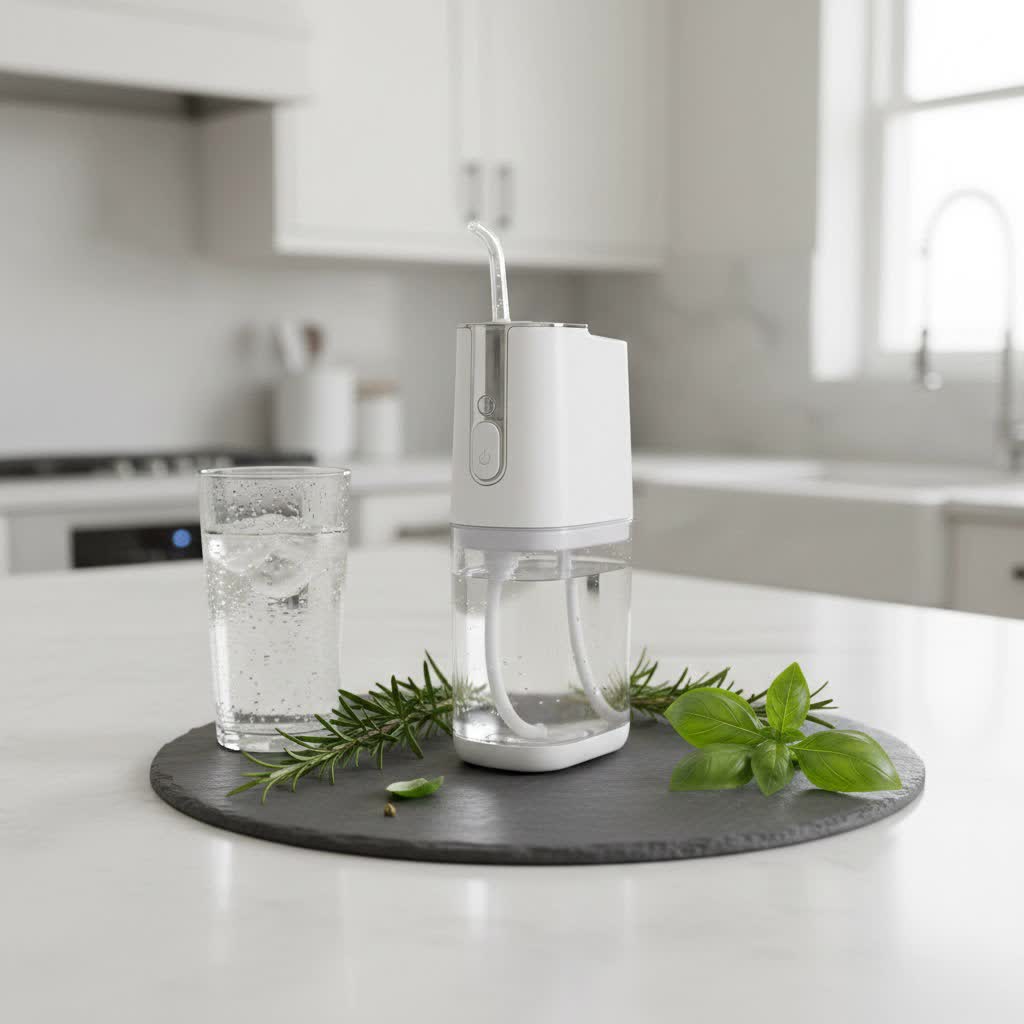
A water flosser, often referred to as an oral irrigator, is a dental device that uses a pulsating stream of pressurized water to remove food particles, plaque, and bacteria from between teeth and below the gumline. Unlike traditional string floss, which requires manual manipulation around each tooth, a water flosser effortlessly cleans hard-to-reach areas. This modern approach to interdental cleaning is particularly beneficial for those with orthodontic appliances, providing a gentle yet powerful solution to maintaining oral hygiene.
For individuals wearing braces, the presence of brackets and wires creates numerous nooks and crannies where food debris and plaque can easily accumulate. Traditional flossing can be time-consuming and often ineffective in these complex areas, leading to increased risks of gum inflammation, cavities, and unsightly decalcification marks around the brackets. A water flosser addresses these challenges directly, making it an indispensable tool for protecting your oral health during orthodontic treatment.
Common Types of Water Flossers
Water flossers come in various designs, each offering distinct advantages depending on your lifestyle and specific needs. Understanding the differences between these types can help you choose the best device for your daily oral care routine with braces.
Countertop Water Flossers
Countertop models are typically larger devices designed to sit permanently on your bathroom counter. They feature a generous water reservoir, which means fewer refills during a single cleaning session. These units often offer a wide range of pressure settings, allowing for customized cleaning from gentle to deep. Their powerful motors and stable design usually provide consistent water pressure for a thorough clean.
- Pros: Large water capacity, multiple pressure settings, powerful and consistent water stream, often come with various specialized tips.
- Cons: Bulky, less portable, requires counter space and an electrical outlet.
|
Our Picks for the Best Water Flosser in 2026
As an Amazon Associate I earn from qualifying purchases.
|
||
| Num | Product | Action |
|---|---|---|
| 1 | Bitvae Water Dental Flosser for Teeth, Cordless Water Teeth Cleaner Picks, 3 Modes 5 Intensities, IPX7 Waterproof, Rechargeable Water Dental Picks for Cleaning - Black |

|
| 2 | COSLUS Portable Water Flosser for Teeth: 3 Modes & 6 Pressure Settings with Jet Mode Water Dental Pick for Orthodontic, Braces, Sensitive Gums, Compact for Travel, 300ML for Multiple Users, White C51 |
|
| 3 | COSLUS Water Dental Flosser Teeth Pick: Portable Cordless Oral Irrigator 300ML Rechargeable Travel Irrigation Cleaner IPX7 Waterproof Electric Flossing Machine for Teeth Cleaning C20(F5020E) |
|
| 4 | Benhip Water Flosser with Electric Toothbrush – 3 Sonic Toothbrush Modes & 5 Water Flossing Pressure – Fast Charging & IPX7 Waterproof – Portable Travel Case Included |
|
| 5 | Onlyone Rechargeable Cordless Water Flosser with Adjustable Water Pressure for Daily Oral Care, Power Dental Flosser for Home and Travel Use, Portable Oral Irrigator for Sensitive Gums and Braces Care |
|
| 6 | Waterpik Cordless Pulse Rechargeable Portable Water Flosser for Teeth, Gums, Braces Care and Travel with 2 Flossing Tips, Waterproof for Shower, ADA Accepted, WF-20 Blue, Packaging and Tips May Vary |
|
| 7 | Water Flosser, Water Dental Flosser Pick for Teeth, 300ML IPX7 Waterproof Oral Irrigator, 3 Modes 4 Replaceable Jet Tips, Professional Flossing Cleaning Picks for Home Travel Gums, Braces Care (Black) |
|
| 8 | Waterpik Aquarius Water Flosser For Teeth Cleaning, Gums, Braces, Dental Care, Electric Power With 10 Settings, 7 Tips For Multiple Users And Needs, ADA Accepted, White WP-660, Packaging May Vary |
|
| 9 | OILSAO Electric Toothbrush with Water Flosser Combo, All in One Sonic Toothbrush with 3 Modes & 5 Flossing Speeds, Rechargeable & Portable for Adult Teeth Cleaning and Plaque Removal,Pearl White |
|
| 10 | COSLUS Portable Water Flosser for Teeth: 4 Modes & 5 Intensity Levels Professional Electric Dental Pick for Sensitive Gums, Braces & Orthodontic - Cordless for Travel Use, for Adults, BPA-Free, Pink |
|
Cordless/Rechargeable Water Flossers
Cordless water flossers are compact, battery-operated devices that offer superior portability. These models are ideal for smaller bathrooms, travel, or for individuals who prefer the flexibility of not being tethered to an outlet. While their reservoirs are smaller, requiring more frequent refills, their convenience often outweighs this minor drawback for many users.
- Pros: Highly portable, travel-friendly, compact design, no cord restrictions.
- Cons: Smaller reservoir requires refilling, often fewer pressure settings than countertop models, may have less sustained power.
Choosing the right type depends on your personal preferences and how you intend to use the device. For consistent home use and maximum features, a countertop model might be suitable. However, if portability and space-saving are priorities, a cordless water flosser offers unmatched convenience.
Essential Guidance for Selecting a Water Flosser
Selecting the perfect water flosser for your orthodontic needs involves considering several key factors. A well-informed choice ensures you invest in a device that provides effective cleaning, ease of use, and lasting value.
Key Factors to Consider
- Water Pressure: Look for models with adjustable pressure settings. Starting with a lower pressure is crucial, especially when your gums might be sensitive due to braces adjustments. You can gradually increase the intensity as you become more comfortable and your gums adapt.
- Reservoir Capacity: A larger reservoir means you won’t need to stop and refill during your cleaning session, ensuring a continuous and complete clean. For countertop models, aim for at least 600ml; for cordless, consider if a 150-250ml tank suffices for your routine before needing a refill.
- Nozzle Types: The right tips are paramount for cleaning around braces effectively. Many water flossers come with specialized orthodontic tips designed with a tapered brush to navigate wires and brackets. A classic jet tip is standard, while plaque seeker tips can also be beneficial.
- Modes: Different cleaning modes like “clean,” “deep clean,” “sensitive,” or “massage” offer versatility. These modes allow you to customize your experience based on your comfort level and specific oral health needs.
- Noise Level: Some water flossers can be noisy, which might be a concern for some users. Checking reviews for noise complaints can give you an idea of how quiet or loud a particular model might be.
- Size and Weight: This factor is especially relevant when deciding between countertop and cordless units. If counter space is limited or if you plan to travel, a compact, lightweight cordless model is preferable.
- Price: Water flossers range in price, with basic cordless models starting around $30-$50 and premium countertop units or integrated systems reaching $100-$200 or more. Balance features with your budget, remembering that a higher price often correlates with more settings, better build quality, and specialized tips.
Reputable Brands
Several brands consistently receive high marks from users and dental professionals for their water flossers. Waterpik is a widely recognized pioneer in the field, offering a broad range of models with various features. Philips Sonicare and Oral-B also produce highly-rated water flossers, often incorporating advanced technology like sonic pulses and quad-stream tips. Other notable brands include Aquasonic and Oclean, which offer competitive options, particularly in the cordless and budget-friendly categories. When choosing, look for models that are ADA (American Dental Association) accepted, which indicates a higher standard of efficacy and safety.
Best Water Flosser Models for Braces
Selecting the right water flosser can significantly enhance your oral hygiene routine with braces. Here’s a comparison of some top models often recommended by dental professionals and users alike:
| Model | Type | Reservoir (mL) | Pressure Settings | Nozzle Tips Included | Key Features for Braces | Pros | Cons |
|---|---|---|---|---|---|---|---|
| Waterpik Aquarius WP-660 | Countertop | 650 | 10 (10-100 PSI) | 7 (incl. Ortho) | Dedicated orthodontic tip, wide pressure range for sensitivity. | Most advanced Waterpik, in-handle control, effective plaque removal. | Bulky, requires counter space, corded. |
| Philips Sonicare Power Flosser 5000 | Countertop | 550 | 10 | 3 (incl. Ortho) | Efficient cleaning around brackets, focused stream. | Extremely efficient, clear instructions for braces, compact size. | Slightly higher price point than some Waterpik models. |
| Waterpik Cordless Advanced WP-580 | Cordless | 200 | 3 | 4 (incl. Ortho) | Portable, orthodontic tip included, ideal for travel. | Rechargeable, lightweight, convenient for on-the-go. | Smaller reservoir (more refills), fewer pressure settings. |
| Aquasonic Aqua Flosser | Cordless | 150 | 3 | 4 | Ergonomic, pulse mode effective against brackets. | Budget-friendly, comfortable to hold, easy to use. | Smaller tank, limited pressure settings compared to premium. |
| Oclean W10 Water Flosser | Cordless | 200 | 5 | 4 | Quad Pacer + Smart Timer for balanced cleaning, 1400 pulses/min. | Long battery life (30 days), USB-C charging, multiple modes. | May be less widely known than Waterpik/Sonicare. |
| Waterpik Ultra WP-100 | Countertop | 650 | 10 (10-100 PSI) | 6 | Adjustable pressure, proven effective for gum health with braces. | #1 model recommended by dental professionals, powerful, reliable. | Similar to Aquarius, but without some advanced digital features. |
For optimal results with braces, models like the Waterpik Aquarius and Philips Sonicare Power Flosser 5000 stand out for their dedicated orthodontic tips and comprehensive features. If portability is your priority, the Waterpik Cordless Advanced or Oclean W10 offer excellent performance without sacrificing convenience.
How to Effectively Use Your Water Flosser with Braces
Mastering the use of a water flosser with braces is straightforward and can dramatically improve your oral hygiene. Follow these steps for an effective and comfortable cleaning experience:
- Preparation: Fill the water reservoir with lukewarm water. If your water flosser has an orthodontic tip, attach it securely to the handle. Lukewarm water is generally more comfortable, especially if your teeth or gums are sensitive due to recent brace adjustments.
- Adjust Pressure: If you’re a first-time user or have sensitive gums, start with the lowest pressure setting. You can gradually increase the pressure as you become more accustomed to the sensation and your gums toughen up.
- Position Yourself: Lean over a sink to allow the water to flow out of your mouth, preventing splashes. Place the water flosser tip in your mouth, aiming it at your gumline.
- Target the Gumline: Start with your back teeth and work your way around, focusing on one tooth at a time. Aim the tip at a 90-degree angle to your gumline, gently tracing along it to flush out debris and bacteria from underneath the gums.
- Clean Around Brackets and Wires: Carefully guide the water stream around each bracket and under the archwire. Pause briefly on each tooth, allowing the pulsating water to dislodge any trapped food particles and plaque. Ensure you clean both the top and bottom surfaces of the wires and brackets.
- Work in Quadrants: Divide your mouth into four quadrants (upper right, upper left, lower right, lower left) and spend approximately 15-30 seconds cleaning each section. This methodical approach ensures you don’t miss any areas.
- Rinse and Maintain: Once you’ve cleaned your entire mouth, empty any remaining water from the reservoir. For countertop models, detach and clean the reservoir regularly to prevent bacterial growth. Replace orthodontic tips every three to six months, as their effectiveness can diminish over time.
“Consistent use of a water flosser, paired with proper technique, is a game-changer for braces wearers,” explains Dr. Sarah Chen, a leading orthodontist. “It reaches where brushes and traditional floss often can’t, significantly reducing the risk of common orthodontic complications.”
The Significant Benefits of Water Flossers for Oral Health with Braces
Incorporating a water flosser into your daily routine offers a multitude of advantages for maintaining optimal oral health throughout your orthodontic treatment. These benefits extend beyond simple cleaning, contributing to a healthier, more confident smile.
Superior Plaque and Debris Removal
Braces create numerous new surfaces and crevices where plaque and food particles can easily accumulate. A water flosser’s pulsating stream is highly effective at dislodging trapped debris from around brackets, under archwires, and in between teeth, areas often challenging for toothbrushes and traditional floss. This thorough cleaning helps to prevent the buildup of harmful bacteria that can lead to dental issues.
Prevention of Cavities, Gingivitis, and Decalcification
By effectively removing plaque and food particles, water flossers play a crucial role in preventing common orthodontic complications. Reducing plaque significantly lowers the risk of cavities, particularly around the brackets. Consistent cleaning also helps to mitigate gingivitis, an early stage of gum disease characterized by inflamed, bleeding gums. Moreover, water flossers help prevent decalcification, the formation of white spots on tooth enamel that can become visible once braces are removed.
Enhanced Gum Health
The gentle massaging action of the water stream stimulates gum tissue, promoting healthy circulation and reducing inflammation. For individuals whose gums may be sensitive or irritated due to braces, a water flosser offers a less abrasive and more comfortable cleaning experience than string floss, often leading to a noticeable reduction in gum bleeding and soreness.
Cleaning Hard-to-Reach Areas
The unique design of water flossers, especially when equipped with specialized orthodontic tips, allows them to navigate the complex landscape of braces with ease. They can reach deep into periodontal pockets and around fixed appliances like permanent retainers and dental implants, ensuring a comprehensive clean that traditional methods might miss. This precision cleaning is vital for comprehensive oral health.
Faster and More Convenient
Many braces wearers find traditional flossing with threaders to be a time-consuming and cumbersome process. A water flosser simplifies this, allowing for a full mouth clean in about one minute. This efficiency encourages more consistent adherence to an oral hygiene routine, which is key to successful orthodontic treatment outcomes. The ease of use can transform a dreaded chore into a quick and comfortable step in your daily care.
Important Considerations When Using a Water Flosser
While water flossers are incredibly beneficial for individuals with braces, it’s important to understand their role within a complete oral hygiene regimen. They are powerful tools, but they work best when used thoughtfully.
- Supplement, Don’t Replace, Brushing and Flossing: A water flosser is an excellent addition to your oral care routine, but it should not entirely replace regular brushing and, ideally, some form of traditional interdental cleaning. Brushing physically removes plaque from tooth surfaces, and string floss (or floss threaders) provides a scrubbing action between teeth that water alone might not fully replicate in very tight contacts. Many dentists recommend using both methods for the most comprehensive clean, with water flossing primarily for removing debris and cleaning around appliances.
- Adjust Pressure Appropriately: Always start with the lowest pressure setting, especially if you have sensitive gums or recently had your braces adjusted. High pressure can cause discomfort or irritate delicate gum tissue. Gradually increase the pressure only if it feels comfortable and necessary for effective cleaning.
- Consult Your Orthodontist or Dentist: If you have any concerns about using a water flosser with your specific orthodontic setup, or if you experience persistent gum sensitivity or bleeding, always consult your orthodontist or dentist. They can provide personalized advice and demonstrate the correct technique for your individual needs.
- Regular Tip Replacement: Water flosser tips are not designed to last forever. Over time, they can wear down and become less effective. Most manufacturers recommend replacing standard tips every three to six months, and orthodontic tips may need replacement more frequently due to the specialized brush-like structure. Regular replacement ensures optimal cleaning performance.
By keeping these considerations in mind, you can maximize the benefits of your water flosser and ensure it contributes effectively to your overall oral health while wearing braces.
Conclusion
Maintaining impeccable oral hygiene is paramount when undergoing orthodontic treatment, and a water flosser for braces emerges as an indispensable tool in this journey. By delivering a powerful yet gentle pulsating stream of water, these devices effectively clear away trapped food particles and plaque from the intricate landscape of wires and brackets. This not only eases the daily cleaning struggle but significantly reduces the risks of gingivitis, cavities, and decalcification, ensuring your gums remain healthy and your teeth stay pristine.
With various types and features available, from powerful countertop models to convenient cordless options, there’s a water flosser perfectly suited to every individual’s needs. While a water flosser remarkably enhances your cleaning routine, remember it acts as a supplement to, rather than a replacement for, brushing and occasional string flossing. Embrace this innovative solution, and you’ll undoubtedly find that achieving a confident, radiant smile throughout your orthodontic treatment has never been easier or more effective. Are you ready to transform your daily dental care with the power of a water flosser?
Frequently Asked Questions
Is a water flosser necessary with braces?
While not strictly “necessary” as a standalone tool, a water flosser is highly recommended for individuals with braces. It significantly simplifies cleaning around brackets and wires, effectively removing food debris and plaque that traditional brushing and flossing often miss, thereby improving overall oral hygiene and reducing the risk of complications.
Can a water flosser damage braces?
When used correctly with appropriate pressure settings and specialized orthodontic tips, a water flosser will not damage your braces. In fact, its gentle, non-abrasive action is often safer than aggressive string flossing, which can snag wires or dislodge brackets.
How often should I use a water flosser with braces?
Most dental professionals recommend using a water flosser at least once a day, preferably after brushing. Some individuals may choose to use it after every meal to remove trapped food particles, especially if they are prone to food getting stuck in their braces.
What type of water flosser tip is best for braces?
For braces, the specialized orthodontic tip is highly recommended. These tips typically feature a tapered brush that effectively cleans around brackets and under wires, providing a more targeted and thorough clean than standard jet tips.
Can children with braces use a water flosser?
Yes, children and teenagers with braces can greatly benefit from using a water flosser. It often makes flossing easier and more enjoyable for them, promoting better compliance with their oral hygiene routine. Look for models designed with children in mind or those with very gentle pressure settings.
Is a water flosser better than interdental brushes for braces?
Both water flossers and interdental brushes are excellent tools for cleaning around braces, and they can complement each other. Water flossers excel at flushing out loose debris and plaque, while interdental brushes can provide a mechanical scrub in specific, wider gaps around brackets. Many orthodontists recommend using both for comprehensive care.
