Maintaining optimal oral hygiene extends beyond just brushing; it requires thorough cleaning between teeth and below the gumline. While traditional string floss has its place, many individuals seek a more comfortable and effective alternative. Enter the water flosser, and specifically, the innovative Panasonic water flosser range, which offers advanced technology to revolutionize your daily dental routine. This comprehensive guide will delve into everything you need to know about selecting, using, and benefiting from these exceptional devices, ensuring your oral health is at its peak.
What is a Water Flosser?
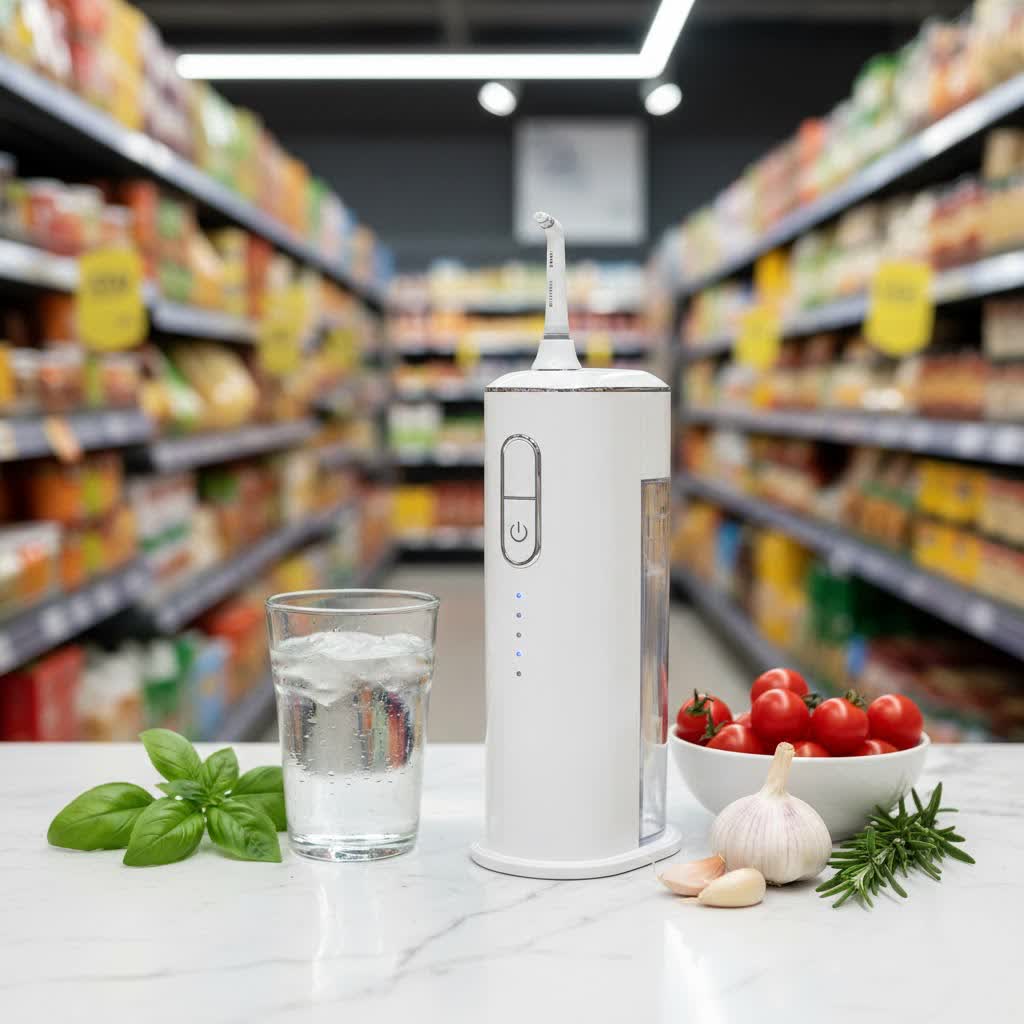
A water flosser, also known as an oral irrigator, is a dental hygiene device that uses a stream of pulsating water to remove food particles, plaque, and bacteria from between teeth and below the gumline. Unlike traditional string floss, which manually scrapes surfaces, a water flosser powerfully yet gently cleans by flushing out debris. The principle involves a small pump that creates a pressurized stream of water, often with micro-bubbles, which dislodges trapped particles and massages the gums. This method is particularly beneficial for reaching areas that toothbrushes and string floss often miss, promoting cleaner teeth and healthier gums.
The primary benefit of a water flosser over traditional string floss lies in its ability to clean effectively without the manual dexterity or potential discomfort associated with string. For many, string flossing can be tedious, difficult to maneuver, or even painful, leading to inconsistent habits. Water flossers offer a simpler, faster, and often more comfortable way to achieve interdental cleaning, making daily flossing more accessible and enjoyable for a wider range of users.
Types of Water Flossers
Panasonic offers a variety of water flosser designs to suit different preferences and lifestyles, broadly categorized into countertop and cordless/portable models. Understanding the distinctions between these types is crucial for choosing the right device for your oral care needs.
Countertop Water Flossers
Countertop models are typically larger units designed to remain on your bathroom counter. They feature a generous water reservoir, which means less frequent refilling during use, and often come with a wider range of pressure settings and specialized tips. The Panasonic EW1611 is a prime example of a countertop water flosser, known for its powerful performance and ultrasonic technology.
- Pros:
- Larger water tank capacity, providing longer flossing time.
- Usually more powerful and offer a broader range of pressure settings.
- Often include multiple specialized tips for various needs.
- Consistent power delivery due to being plugged into an outlet.
- Cons:
- Less portable, taking up more space on the counter.
- Require an electrical outlet nearby.
|
Our Picks for the Best Water Flosser in 2026
As an Amazon Associate I earn from qualifying purchases.
|
||
| Num | Product | Action |
|---|---|---|
| 1 | Onlyone Rechargeable Cordless Water Flosser with Adjustable Water Pressure for Daily Oral Care, Power Dental Flosser for Home and Travel Use, Portable Oral Irrigator for Sensitive Gums and Braces Care |

|
| 2 | OILSAO Electric Toothbrush with Water Flosser Combo, All in One Sonic Toothbrush with 3 Modes & 5 Flossing Speeds, Rechargeable & Portable for Adult Teeth Cleaning and Plaque Removal,Pearl White |
|
| 3 | COSLUS Portable Water Flosser for Teeth: 4 Modes & 5 Intensity Levels Professional Electric Dental Pick for Sensitive Gums, Braces & Orthodontic - Cordless for Travel Use, for Adults, BPA-Free, Pink |
|
| 4 | Benhip Water Flosser with Electric Toothbrush – 3 Sonic Toothbrush Modes & 5 Water Flossing Pressure – Fast Charging & IPX7 Waterproof – Portable Travel Case Included |
|
| 5 | Waterpik Aquarius Water Flosser For Teeth Cleaning, Gums, Braces, Dental Care, Electric Power With 10 Settings, 7 Tips For Multiple Users And Needs, ADA Accepted, White WP-660, Packaging May Vary |
|
| 6 | COSLUS Portable Water Flosser for Teeth: 3 Modes & 6 Pressure Settings with Jet Mode Water Dental Pick for Orthodontic, Braces, Sensitive Gums, Compact for Travel, 300ML for Multiple Users, White C51 |
|
| 7 | Bitvae Water Dental Flosser for Teeth, Cordless Water Teeth Cleaner Picks, 3 Modes 5 Intensities, IPX7 Waterproof, Rechargeable Water Dental Picks for Cleaning - Black |
|
| 8 | Waterpik Cordless Pulse Rechargeable Portable Water Flosser for Teeth, Gums, Braces Care and Travel with 2 Flossing Tips, Waterproof for Shower, ADA Accepted, WF-20 Blue, Packaging and Tips May Vary |
|
| 9 | Water Flosser, Water Dental Flosser Pick for Teeth, 300ML IPX7 Waterproof Oral Irrigator, 3 Modes 4 Replaceable Jet Tips, Professional Flossing Cleaning Picks for Home Travel Gums, Braces Care (Black) |
|
| 10 | COSLUS Water Dental Flosser Teeth Pick: Portable Cordless Oral Irrigator 300ML Rechargeable Travel Irrigation Cleaner IPX7 Waterproof Electric Flossing Machine for Teeth Cleaning C20(F5020E) |
|
Cordless/Rechargeable Water Flossers
Cordless water flossers are compact, battery-powered devices ideal for travel or bathrooms with limited counter space. Models like the Panasonic EW1511 (cordless with ultrasonic tech) and the highly portable, collapsible Panasonic EW-DJ10/EW-DJ10-A are popular choices in this category. These devices offer the flexibility of use in the shower and easy storage.
- Pros:
- Highly portable and convenient for travel or small bathrooms.
- No cord restrictions during use, offering greater maneuverability.
- Many models are waterproof and can be used in the shower.
- Rechargeable batteries (like EW1511) or replaceable AA batteries (like EW-DJ10) offer flexibility.
- Cons:
- Smaller water reservoirs, often requiring refills during a single flossing session.
- Generally have fewer pressure settings compared to countertop models.
- Battery life needs to be monitored and charged/replaced.
Which Type Suits Your Needs?
If you prioritize consistent, powerful cleaning and don’t mind a dedicated space on your counter, a countertop model like the Panasonic EW1611 is an excellent choice. It’s perfect for families or individuals who use their water flosser daily at home. However, if portability, compactness, and the flexibility to floss on the go are more important, a cordless model such as the Panasonic EW1511 or the collapsible EW-DJ10-A would be a better fit. These are ideal for frequent travelers, those with smaller bathrooms, or anyone who prefers the convenience of a handheld device.
How to Choose a Panasonic Water Flosser (Buying Guide)
Selecting the ideal Panasonic water flosser involves considering several key factors to match your specific oral care needs and lifestyle. Each feature contributes to the overall effectiveness and user experience of the device.
Water Pressure
The pressure of the water jet is crucial for effective cleaning. Panasonic models typically offer multiple pressure settings, allowing you to customize the intensity. The EW1511 boasts five levels, providing a good range from gentle to powerful. The countertop EW1611 takes this further with ten pressure settings, offering precise control from 10-100 PSI. Meanwhile, travel-friendly models like the EW-DJ10 usually have two settings: normal and soft. For sensitive gums or beginners, a lower setting is recommended, gradually increasing as your gums adapt. A higher pressure is generally more effective for dislodging stubborn plaque and debris.
Reservoir Capacity
The water tank size determines how long you can floss before needing a refill.
- The Panasonic EW1611 countertop model features a generous 600 mL tank, providing approximately two minutes of continuous flossing on the highest setting – usually enough for a complete cleaning without refilling.
- The EW1511 cordless unit has a 200 mL reservoir, offering about 60 seconds of use.
- The EW-DJ10 portable model, designed for compactness, has a smaller 160 mL (5.5 oz) tank, which provides about 40-50 seconds of flossing. While smaller tanks require more frequent refills, they contribute significantly to the device’s portability.
Number and Type of Nozzles
Most Panasonic water flossers, particularly the portable models, come with one or two standard nozzles. Unlike some brands that offer a wide array of specialized tips (e.g., orthodontic, periodontal), Panasonic generally focuses on a versatile standard nozzle that effectively cleans most areas. The design of Panasonic’s nozzles is often praised for its ability to reach tight areas. If you plan to share the flosser, ensure you have individual nozzles for hygiene.
Modes
Beyond simple pressure adjustment, some Panasonic water flossers incorporate advanced cleaning modes. The EW1511 and EW1611 feature ultrasonic technology, which generates micro-bubbles that burst and create shock waves, amplifying the cleaning power. This ultrasonic action helps remove plaque and bacteria more effectively, even from periodontal pockets. The EW-DJ10 offers basic “Normal” and “Soft” modes, catering to different sensitivity levels.
Noise Level
While water flossers are generally louder than brushing, some models are designed for quieter operation. Reviews suggest the Panasonic EW-DJ86 is a relatively quiet option, which can be a significant factor for those with sensory sensitivities or living in close quarters. The EW-DJ10, while compact, has been noted as being relatively loud for a portable unit.
Size and Weight
For those who travel frequently or have limited bathroom space, size and weight are paramount. The Panasonic EW-DJ10 stands out with its unique collapsible design, allowing it to compact to half its height for easy storage in bags or drawers, making it one of the most travel-friendly water flossers available. Cordless models are inherently lighter and more maneuverable than countertop units.
Price
Panasonic water flossers are generally considered a mid-to-high-range option, reflecting their quality and advanced features like ultrasonic technology. Portable models like the EW-DJ10 are often more affordable than advanced cordless or countertop units. Consider your budget alongside the features you need for optimal value.
Trusted Brands
While this guide focuses on Panasonic, it’s worth noting that Panasonic stands as a reputable brand in oral care, known for its commitment to technology and quality. Other brands like Waterpik are also prominent, but Panasonic offers unique innovations, particularly with its ultrasonic technology and highly portable designs.
Comparing Top Panasonic Water Flosser Models
Panasonic offers several standout water flosser models, each with distinct features catering to different needs. Here’s a comparison of some of the most popular and highly-regarded Panasonic water flossers:
| Feature | Panasonic EW1511 (Cordless, Ultrasonic) | Panasonic EW-DJ10/DJ10-A (Cordless, Collapsible) | Panasonic EW1611 (Countertop, Ultrasonic) | Panasonic EW-DJ86 (Cordless) |
|---|---|---|---|---|
| Type | Cordless, Portable | Cordless, Travel-friendly | Countertop | Cordless, Portable |
| Ultrasonic Technology | Yes | No | Yes | Yes (implied, often featured in higher-end Panasonic) |
| Water Pressure Levels | 5 levels (Max 647 kPa) | 2 levels (Normal, Soft) | 10 levels (10-100 PSI) | Multiple (Adjustable) |
| Reservoir Capacity | 200 mL (approx. 60 seconds) | 160 mL (5.5 oz, approx. 40-50 seconds) | 600 mL (approx. 2 minutes) | Standard cordless size (likely 150-200ml) |
| Charging/Power | 1-hour quick charge, rechargeable | 2 x AA batteries (no charging cord needed for travel) | AC powered | USB charging, rechargeable |
| Portability | High | Extremely High (collapsible design) | Low (stationary) | High |
| Nozzles Included | Typically 1-2 standard | Typically 1 standard | Multiple nozzles, often with storage | Typically 1-2 standard |
| Noise Level | Moderate | Noted as relatively loud | Moderate | Noted as quiet |
| Key Advantage | Ultrasonic power in a cordless design | Ultra-compact, ideal for travel | Maximum power, capacity, and settings | Quiet and effective |
The Panasonic EW1511 is an excellent all-rounder, combining the convenience of a cordless design with the advanced cleaning power of ultrasonic technology. Its quick charging time and five pressure settings make it a versatile choice for daily use.
For the frequent traveler, the Panasonic EW-DJ10/EW-DJ10-A is hard to beat. Its unique collapsible design and reliance on AA batteries mean you can truly take it anywhere without worrying about chargers or space. While it has fewer pressure settings and a smaller tank, its portability is unmatched.
If you desire the ultimate in power and capacity for home use, the Panasonic EW1611 countertop model is a powerhouse. Its large tank and ten ultrasonic pressure settings provide a comprehensive and highly effective cleaning experience, though it sacrifices portability.
The Panasonic EW-DJ86 balances effectiveness with a quiet operation, making it a good choice for those sensitive to noise who still want strong cleaning performance.
How to Use a Water Flosser Correctly
Using a Panasonic water flosser effectively requires a simple technique that maximizes its cleaning power while ensuring comfort.
Prepare Before Use
- Fill the Reservoir: Always use lukewarm water. Cold water can be uncomfortable for sensitive teeth and gums. You can also add a small amount of non-foaming mouthwash for an extra fresh feeling, but always check your device’s manual first.
- Select a Tip: Insert the desired nozzle firmly into the handle.
- Adjust Pressure: Start with the lowest pressure setting, especially if you’re new to water flossing or have sensitive gums. Gradually increase the pressure over several days as your gums become accustomed to the sensation.
Steps for Using Your Water Flosser
- Lean Over the Sink: To avoid splashing, lean over the sink and place the nozzle tip into your mouth.
- Aim Correctly: Position the nozzle tip at a 90-degree angle to your teeth and gumline. Do not direct the water directly into your gums, but rather along the gumline.
- Turn On the Device: Close your lips enough to prevent splashing, but allow water to flow from your mouth into the sink.
- Trace Your Teeth: Glide the tip along your gumline, pausing briefly between each tooth. Make sure to clean both the front and back surfaces of your teeth. Focus on one arch (upper or lower) at a time, moving systematically from the back teeth to the front.
- Clean All Areas: Pay special attention to hard-to-reach spots, around braces, or dental work like crowns and implants.
- Empty and Clean: Once finished, turn off the device, remove the nozzle, and empty any remaining water from the reservoir to prevent bacterial growth.
Tips for Best Results
- Warm Water is Key: Using warm water significantly enhances comfort.
- Systematic Approach: Clean your mouth in quadrants to ensure no area is missed.
- Don’t Rush: Take your time, typically 1-2 minutes for a complete clean.
- Daily Use: Incorporate water flossing into your routine at least once a day, ideally after brushing.
Cleaning and Maintaining Your Device
Regular cleaning and maintenance extend the life of your Panasonic water flosser and ensure hygienic operation. After each use, empty the water tank and rinse it thoroughly. For cordless models with removable reservoirs, detach and air dry. Periodically, clean the internal components by running a mixture of warm water and white vinegar through the system to remove mineral buildup. Always refer to your specific model’s manual for detailed cleaning instructions.
Benefits of Water Flossing for Oral Health
Integrating a Panasonic water flosser into your daily routine offers numerous benefits that go beyond what traditional brushing alone can achieve, leading to significantly improved oral health.
Removes Plaque and Bacteria More Effectively
The pulsating water jets are highly effective at dislodging food particles, plaque, and bacteria from areas that toothbrushes often miss, such as between teeth and beneath the gumline. Panasonic’s ultrasonic technology, found in models like the EW1511 and EW1611, further enhances this by creating micro-bubbles that intensify the cleaning action, providing a deeper clean and helping to flush out harmful biofilms.
Prevents Cavities and Gingivitis
By consistently removing plaque and food debris, water flossers play a crucial role in preventing the buildup of tartar, which is a leading cause of cavities. Furthermore, the gentle massage of the gums by the water jet can significantly reduce gum inflammation, thereby preventing and even reversing early stages of gingivitis, a common form of gum disease.
Improves Gum Health
Regular water flossing stimulates gum tissue, improving blood circulation and reducing bleeding gums. Users often report healthier, firmer gums within weeks of consistent use. The thorough cleaning action removes irritants that contribute to gum sensitivity and disease, leading to an overall healthier oral environment.
Cleans Hard-to-Reach Areas
Water flossers are exceptionally beneficial for individuals with braces, dental implants, crowns, bridges, or periodontal pockets. The fine stream of water can easily navigate around orthodontic wires and brackets, flush out debris from under bridges, and clean around implants, where traditional floss struggles. This targeted cleaning helps prevent complications and maintain the longevity of dental work.
Ideal for Specific Oral Health Needs
For those with limited dexterity due to arthritis or other conditions, or individuals who find string flossing cumbersome or painful, a water flosser provides an easy, comfortable, and highly effective alternative. It offers a gentle yet powerful cleaning solution for a wide range of users, ensuring everyone can maintain excellent interdental hygiene.
Important Considerations When Using a Water Flosser
While water flossers are a powerful tool for enhancing oral hygiene, it’s essential to understand their role and use them correctly to maximize benefits and avoid potential issues.
Not a Replacement for Brushing
A water flosser is designed to complement, not replace, regular tooth brushing. Brushing with a fluoride toothpaste cleans the surfaces of your teeth, removing plaque and food debris through mechanical action and the chemical benefits of toothpaste. Water flossing addresses the areas between teeth and below the gumline. For comprehensive oral care, both brushing and water flossing are indispensable.
Adjust Water Pressure Appropriately
Always start with the lowest water pressure setting, especially if you have sensitive gums or are new to water flossing. High pressure can sometimes cause discomfort or, if not aimed correctly, potentially irritate gum tissue. Gradually increase the pressure over time as your gums become accustomed to the sensation. The goal is effective cleaning without pain or irritation.
Consult Your Dentist
If you have pre-existing gum disease, dental implants, braces, or any other specific oral health concerns, it’s always advisable to consult your dentist or periodontist before incorporating a water flosser into your routine. They can provide personalized advice on the most suitable water flosser for your condition, recommend specific techniques, and ensure it integrates well with your overall treatment plan. Your dentist can also advise on whether to use any additives in your water flosser, such as antimicrobial rinses, for therapeutic purposes.
Conclusion
Embracing a Panasonic water flosser can truly transform your oral hygiene routine, offering a powerful, comfortable, and efficient way to achieve a cleaner mouth and healthier gums. From the advanced ultrasonic technology in models like the EW1511 and EW1611 to the unparalleled portability of the collapsible EW-DJ10, Panasonic provides innovative solutions tailored to diverse needs. By effectively removing plaque, preventing gum disease, and reaching areas traditional floss often misses, these devices empower you to take proactive steps towards superior dental health. With a Panasonic water flosser, you’re not just cleaning your teeth; you’re investing in a lifetime of brighter smiles and robust oral wellness. Isn’t it time to experience the difference a Panasonic water flosser can make for your smile?
Frequently Asked Questions
Is a Panasonic water flosser better than string floss?
Many find Panasonic water flossers to be a more comfortable and effective alternative to string floss, especially for cleaning around braces, implants, and in periodontal pockets. While string floss requires precise technique, a water flosser efficiently flushes out debris with less effort, making daily interdental cleaning more accessible for consistent results.
How often should I use my Panasonic water flosser?
For optimal oral health, it is recommended to use your Panasonic water flosser at least once a day, ideally after brushing your teeth. Consistent daily use helps to effectively remove food particles, plaque, and bacteria, preventing gum disease and cavities.
Can I use mouthwash in my Panasonic water flosser?
Yes, you can typically use a non-foaming mouthwash in your Panasonic water flosser. However, it is crucial to always check your specific model’s instruction manual for guidance. After using mouthwash, always flush the unit with clean water to prevent buildup and prolong the device’s lifespan.
Are Panasonic water flossers good for sensitive gums?
Yes, Panasonic water flossers are generally suitable for sensitive gums. Many models, like the EW1511 and EW-DJ10, offer multiple pressure settings, including a “soft” or lower-pressure mode. This allows users to start with a gentle stream and gradually increase intensity as their gums adapt, ensuring effective cleaning without irritation.
How long does the battery last on a cordless Panasonic water flosser?
Battery life varies by model. For instance, the Panasonic EW1511 can be fully charged in about an hour and provides approximately 60 seconds of use per fill on the highest setting. The Panasonic EW-DJ10, powered by AA batteries, offers around 40-50 seconds of continuous use per tank, with batteries typically lasting for multiple sessions depending on usage.
