Achieving optimal oral hygiene goes beyond brushing alone. Many people overlook a crucial step: interdental cleaning. While traditional string floss has been the go-to for decades, water flossers are revolutionizing how we approach this vital part of our routine, offering an effective and often more comfortable alternative. This comprehensive guide will delve into everything you need to know about water flossers, from understanding their mechanics to choosing the perfect model for your needs and mastering their use for a truly dentist-clean feeling.
What is a Water Flosser and How Does it Work?
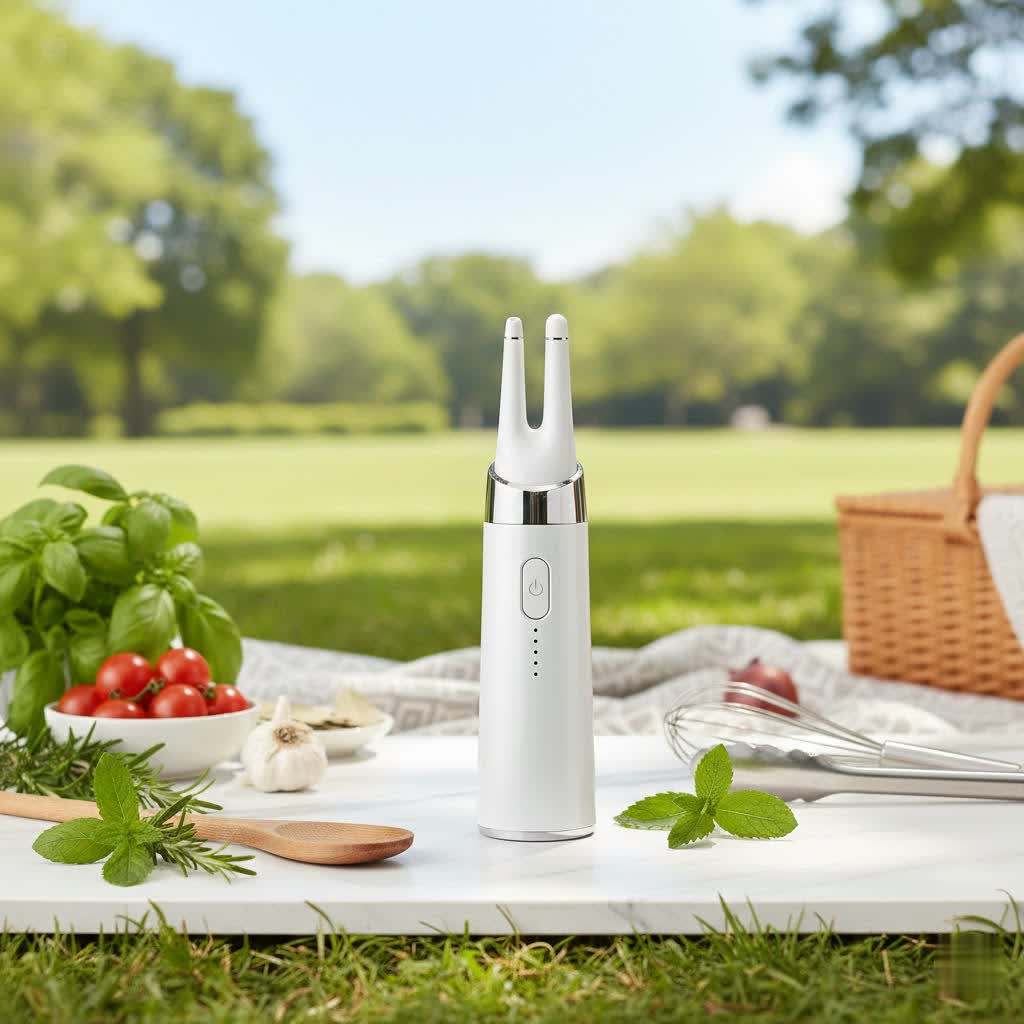
A water flosser, also known as an oral irrigator, is a dental device that uses a targeted stream of pressurized water to remove food particles, plaque, and bacteria from between your teeth and below the gum line. Its principle of operation is simple yet highly effective: a motor pumps water from a reservoir through a slender nozzle, creating a pulsating jet that dislodges debris and massages the gums. This powerful yet gentle action can reach areas that traditional floss might miss, such as deep pockets and around orthodontic appliances.
Compared to traditional string floss, water flossers offer several distinct benefits. They can be more comfortable, especially for individuals with sensitive gums, braces, implants, or bridges, where maneuvering string floss can be challenging or even painful. The massaging action of the water jet also stimulates gum tissue, promoting better circulation and overall gum health. Studies suggest that combining a water flosser with a manual toothbrush can be significantly more effective at removing plaque than string floss alone, particularly on surfaces between teeth.
Popular Types of Water Flossers
Water flossers come in various designs, each catering to different needs and lifestyles. Understanding the distinctions will help you determine which type best fits your daily routine and available space.
Countertop Water Flossers
These are typically larger units with a substantial water reservoir and plug directly into an electrical outlet. They offer a wide range of pressure settings and often come with multiple specialized tips for various oral care needs.
- Pros:
- Large water capacity, minimizing refills during a session.
- Numerous pressure settings for customized cleaning, from gentle to intense.
- Often include a variety of specialized tips (e.g., orthodontic, periodontal, plaque seeker).
- Generally more powerful and consistent water pressure.
- Cons:
- Require counter space and an electrical outlet.
- Not portable, making them unsuitable for travel.
- Can be bulkier and less aesthetically pleasing.
|
Our Picks for the Best Water Flosser in 2026
As an Amazon Associate I earn from qualifying purchases.
|
||
| Num | Product | Action |
|---|---|---|
| 1 | OILSAO Electric Toothbrush with Water Flosser Combo, All in One Sonic Toothbrush with 3 Modes & 5 Flossing Speeds, Rechargeable & Portable for Adult Teeth Cleaning and Plaque Removal,Pearl White |

|
| 2 | Waterpik Cordless Pulse Rechargeable Portable Water Flosser for Teeth, Gums, Braces Care and Travel with 2 Flossing Tips, Waterproof for Shower, ADA Accepted, WF-20 Blue, Packaging and Tips May Vary |
|
| 3 | Water Flosser, Water Dental Flosser Pick for Teeth, 300ML IPX7 Waterproof Oral Irrigator, 3 Modes 4 Replaceable Jet Tips, Professional Flossing Cleaning Picks for Home Travel Gums, Braces Care (Black) |
|
| 4 | COSLUS Water Dental Flosser Teeth Pick: Portable Cordless Oral Irrigator 300ML Rechargeable Travel Irrigation Cleaner IPX7 Waterproof Electric Flossing Machine for Teeth Cleaning C20(F5020E) |
|
| 5 | Benhip Water Flosser with Electric Toothbrush – 3 Sonic Toothbrush Modes & 5 Water Flossing Pressure – Fast Charging & IPX7 Waterproof – Portable Travel Case Included |
|
| 6 | Onlyone Rechargeable Cordless Water Flosser with Adjustable Water Pressure for Daily Oral Care, Power Dental Flosser for Home and Travel Use, Portable Oral Irrigator for Sensitive Gums and Braces Care |
|
| 7 | COSLUS Portable Water Flosser for Teeth: 3 Modes & 6 Pressure Settings with Jet Mode Water Dental Pick for Orthodontic, Braces, Sensitive Gums, Compact for Travel, 300ML for Multiple Users, White C51 |
|
| 8 | Waterpik Aquarius Water Flosser For Teeth Cleaning, Gums, Braces, Dental Care, Electric Power With 10 Settings, 7 Tips For Multiple Users And Needs, ADA Accepted, White WP-660, Packaging May Vary |
|
| 9 | COSLUS Portable Water Flosser for Teeth: 4 Modes & 5 Intensity Levels Professional Electric Dental Pick for Sensitive Gums, Braces & Orthodontic - Cordless for Travel Use, for Adults, BPA-Free, Pink |
|
| 10 | Bitvae Water Dental Flosser for Teeth, Cordless Water Teeth Cleaner Picks, 3 Modes 5 Intensities, IPX7 Waterproof, Rechargeable Water Dental Picks for Cleaning - Black |
|
Cordless/Rechargeable Water Flossers
Designed for portability and convenience, these compact units feature a built-in rechargeable battery and a smaller water tank. They are ideal for travel or for those with limited bathroom counter space.
- Pros:
- Portable and travel-friendly.
- Space-saving design, cordless operation.
- Can often be used in the shower (look for IPX7 waterproof rating).
- Easy to handle and maneuver.
- Cons:
- Smaller reservoir requires more frequent refilling during a single use.
- Fewer pressure settings compared to countertop models.
- Battery needs regular recharging.
Which type is right for you? If you have ample counter space, prioritize consistent power, and want a wide array of customization options, a countertop model like the Waterpik Aquarius is an excellent choice. If flexibility, portability, and minimal clutter are more important, a cordless flosser such as the Philips Sonicare Cordless 3000 or Quip Rechargeable Cordless Water Flosser might be a better fit.
How to Choose the Best Water Flosser (Buying Guide)
Selecting the right water flosser can seem daunting with the array of options available. Consider these crucial factors to ensure you pick a device that effectively meets your oral hygiene demands.
Key Factors to Consider:
- Water Pressure: Look for models with adjustable pressure settings. Starting with a lower pressure is recommended, gradually increasing it as your gums become accustomed. A range of 10 to 100 PSI (pounds per square inch) is common for effective cleaning.
- Reservoir Capacity: A larger tank means fewer refills during a flossing session. Countertop models typically offer 600ml+ capacities, while cordless units range from 150ml to 400ml. Consider your flossing duration and frequency.
- Nozzle Types: Most water flossers come with standard jet tips. However, specialized tips exist for specific needs:
- Orthodontic tip: Designed to navigate around braces.
- Plaque seeker tip: Targets plaque around implants, crowns, and bridges.
- Periodontal tip: Delivers therapeutic rinses into gum pockets.
- Tongue scraper: For enhanced breath freshness.
- Modes: Beyond standard cleaning, some flossers offer pulse modes for gum massage or “deep clean” settings for more thorough plaque removal.
- Noise Level: While not always listed, a quieter model can significantly improve the user experience, especially for early morning or late-night use.
- Size and Weight: Countertop models are stationary, so size matters for your bathroom aesthetics. Cordless models should be lightweight and ergonomic for comfortable handling.
- Price: Water flossers vary widely in price. Budget-friendly options can start around $30-$50, while advanced models or combo units can exceed $100-$200. Evaluate features against your budget.
Reputable Brands:
Several brands consistently receive high marks for their water flossers, known for reliability and performance. Waterpik is often considered the industry standard and a top choice, frequently recommended by dental professionals. Other highly-rated brands include Philips Sonicare, Oral-B, and Aquasonic, each offering innovative features and designs.
Comparing Top Water Flosser Models
To help you make an informed decision, here’s a comparison of some highly-regarded water flossers based on expert reviews and user feedback.
| Model | Type | Pressure Settings | Reservoir Capacity | Nozzle Types | Key Features | Pros | Cons |
|---|---|---|---|---|---|---|---|
| Waterpik Aquarius Water Flosser | Countertop | 10 | 22 oz (650 ml) | 7 | Built-in timer, massage mode | Excellent cleaning, large reservoir, versatile tips, ADA Accepted | Shorter cord from flosser to reservoir, requires counter space |
| Aquasonic Aqua Flosser | Cordless | 3 | 150 ml | 4 | Pulse mode, travel pouch | Ergonomic, effective pulse mode, good value for cordless, easy to fill | Not as many pressure settings as some competitors |
| Waterpik Cordless Plus | Cordless | 3 | 7 oz (200 ml) | 4 | Travel pouch | Simple to use, good for beginners, compact | Basic features, smaller reservoir, less customizable pressure |
| Philips Sonicare Power Flosser 5000 | Countertop | 10 | 550 ml | 3 | Quad Stream tip, magnetic dock, auto shut-off | Highly efficient, great for braces, “Deep Clean” mode, compact size | Lowest setting might still be too strong for very sensitive gums |
| Quip Rechargeable Cordless Water Flosser | Cordless | 2 | 150 ml | 1 | Magnetic charging, rotating nozzle | Highly effective plaque removal, minimalist design, convenient charging | Small reservoir, replacement nozzles can add up, slightly bulky |
| Waterpik Sonic Fusion Toothbrush & Flosser Combo | Countertop Combo | 10 | 16 oz (470 ml) | 2 (brush heads) | Brush, floss, or both simultaneously | All-in-one convenience, compact for a combo unit, very effective | Nozzle variety is limited, higher price point |
| Waterpik Ultra Professional | Countertop | 10 (10-100 PSI) | 650 ml | 7 | Wide pressure range, comprehensive tip set | Powerful, large tank, flexible operation, excellent for families | Takes up counter space, not portable, requires stooping for taller users |
| Operan Cordless Oral Irrigator | Cordless | 4 (40-120 PSI) | 300 ml | 4 | IPX7 waterproof, USB-C charging | Very affordable, effective, good tank capacity for cordless, shower-safe | Some reports of reliability issues, not perfect when used upside down |
| Philips Sonicare Cordless 3000 | Cordless | (not stated) | 250 ml | 2 | Quad Stream tip, deep clean setting, USB-C | Innovative Quad Stream tip, powerful coverage, good design | Only two tips, proprietary charging for some versions |
This table highlights some of the leading models, showcasing their strengths and weaknesses to help you identify the best fit for your unique needs.
How to Use Your Water Flosser Correctly
Using a water flosser effectively is key to maximizing its benefits. Follow these steps for an optimal clean and healthy gums.
- Preparation: Fill the reservoir with lukewarm water. You can add a small amount of non-alcoholic mouthwash for extra freshness, though dentists suggest this is primarily for feel and not significantly more effective than water alone. Attach your preferred nozzle tip firmly.
- Positioning: Lean over the sink to avoid splashing. Place the nozzle tip in your mouth, aiming it at your gum line at a 90-degree angle. Close your lips enough to prevent excessive splashing while still allowing water to flow into the sink.
- Start Flossing: Turn the device on, starting with the lowest pressure setting. Glide the tip along your gum line, pausing briefly between each tooth, allowing the water jet to clean thoroughly. Work your way around your entire mouth, focusing on both the front and back surfaces of your teeth.
- Optimal Technique: For best results, trace your gum line, pausing for a few seconds on each tooth, ensuring you clean both the inside and outside surfaces. Some experts recommend an “intermittent spraying” technique where the device pulses rather than a continuous stream to avoid simply flushing water without effect.
- Cleaning and Storage: After use, empty any remaining water from the reservoir to prevent bacterial growth. Rinse the reservoir and tip, and allow them to air dry. Store your flosser in a clean, dry place. Replace nozzle tips every three to six months, or as recommended by the manufacturer.
Benefits of Water Flossing for Oral Health
Incorporating a water flosser into your daily regimen offers a cascade of benefits for your overall oral health.
- Removes Plaque and Bacteria: The pulsating water jet is highly effective at dislodging plaque, food particles, and bacteria from hard-to-reach areas, preventing their accumulation.
- Prevents Cavities and Gum Disease: By thoroughly cleaning between teeth and along the gum line, water flossers help prevent the buildup of plaque that leads to tooth decay and gingivitis (gum inflammation).
- Improves Gum Health: The gentle massage from the water stream can improve circulation in the gums, reducing inflammation and promoting healthier gum tissue. Users often notice less bleeding during brushing and flossing.
- Cleans Hard-to-Reach Areas: Water flossers excel at cleaning around braces, dental implants, crowns, bridges, and in periodontal pockets, where traditional floss struggles.
- Ideal for Specific Needs: They are particularly beneficial for individuals with orthodontics, those with dexterity issues, or anyone experiencing chronic gum inflammation or periodontal disease.
Important Considerations When Using a Water Flosser
While water flossers are excellent tools, it’s essential to use them correctly and understand their role in your oral hygiene routine.
- Not a Replacement for Brushing: A water flosser complements, but does not replace, regular brushing. Always brush your teeth twice a day with toothpaste for comprehensive cleaning.
- Adjust Water Pressure: Start with the lowest pressure setting, especially if you have sensitive gums or are new to water flossing. Gradually increase the pressure to a comfortable yet effective level. Using too high a setting too soon can cause discomfort or irritation.
- Consult Your Dentist: If you have severe gum disease, recent oral surgery, or any persistent dental concerns, consult your dentist before using a water flosser. They can provide personalized advice and recommend the best technique for your specific condition.
“A water flosser is easy to use, even for kids and older adults. That’s why I often recommend it – not as a replacement for floss across the board, but as a realistic alternative for those who aren’t flossing at all.” – Dr. Johannes Jacobs, Founder of Jacobs & Associates Dental Office.
Conclusion
Water flossers have emerged as a powerful ally in the pursuit of superior oral hygiene, offering a comfortable, efficient, and often more accessible way to clean between teeth and along the gum line. Whether you choose a robust countertop model for comprehensive home use or a compact cordless device for on-the-go convenience, incorporating a water flosser into your daily routine can significantly enhance your dental health, leaving you with that fresh, dentist-clean feeling every day. By understanding the different types, considering key buying factors, and practicing proper usage, you can unlock a new level of oral care.
Are you ready to experience the refreshing difference a water flosser can make in your daily routine?
Frequently Asked Questions
Can a water flosser replace string floss entirely?
Many dentists view water flossers as an excellent supplement to brushing and a great alternative for those who struggle with traditional string floss, but not necessarily a complete replacement. While water flossers are highly effective at removing loose debris and plaque, string floss provides a “scraping” action that can be more effective at removing sticky plaque biofilms directly from the tooth surface. For optimal health, a combination of both is often recommended.
How often should I use a water flosser?
For best results, most dental professionals recommend using a water flosser at least once a day, preferably after brushing your teeth. Consistency is key to preventing plaque buildup and maintaining healthy gums.
Can water flossers damage my gums or teeth?
When used correctly, water flossers are generally safe and cannot damage healthy teeth or gums. It’s crucial to start with the lowest pressure setting and gradually increase it to a comfortable level. Initial mild irritation or bleeding might occur if your gums are inflamed, but this usually subsides as gum health improves.
What kind of water should I use in my water flosser?
Lukewarm tap water is typically recommended for filling your water flosser’s reservoir. Some users opt to add a small amount of non-alcoholic mouthwash for a fresher feeling, but this is not necessary for effectiveness. Avoid using harsh chemicals or highly concentrated solutions unless specifically instructed by your dentist or the device manufacturer.
Are water flossers good for braces?
Absolutely! Water flossers are often highly recommended for individuals with braces, as they can effectively clean around wires and brackets where traditional string floss is difficult to maneuver. Specialized orthodontic tips are available to make this process even easier and more thorough.
