Has the phrase “periodontal disease” sent shivers down your spine, conjuring images of painful gum issues and potential tooth loss? You’re not alone. Periodontal disease, also known as gum disease, affects a significant portion of the adult population and can quietly wreak havoc on your oral and overall health. But what if there was a powerful, yet gentle, tool to help you reclaim control and support your gums against this insidious condition? Enter the water flosser. This comprehensive guide will delve into how a water flosser can become your greatest ally in the fight against periodontal disease, from understanding its mechanics to mastering its use and selecting the perfect device for your needs.
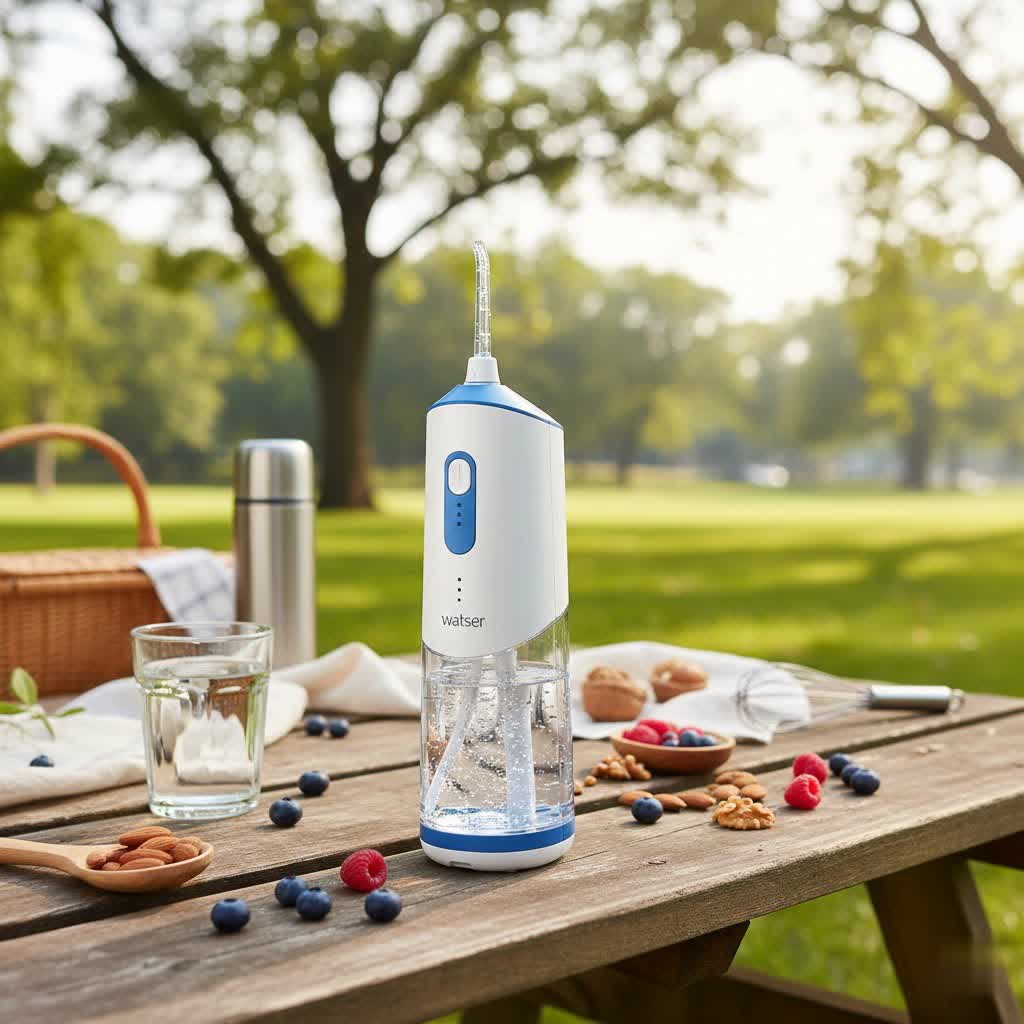
What is a Water Flosser?
|
Our Picks for the Best Water Flosser in 2026
As an Amazon Associate I earn from qualifying purchases.
|
||
| Num | Product | Action |
|---|---|---|
| 1 | Bitvae Water Dental Flosser for Teeth, Cordless Water Teeth Cleaner Picks, 3 Modes 5 Intensities, IPX7 Waterproof, Rechargeable Water Dental Picks for Cleaning - Black |

|
| 2 | Water Flosser, Water Dental Flosser Pick for Teeth, 300ML IPX7 Waterproof Oral Irrigator, 3 Modes 4 Replaceable Jet Tips, Professional Flossing Cleaning Picks for Home Travel Gums, Braces Care (Black) |
|
| 3 | Onlyone Rechargeable Cordless Water Flosser with Adjustable Water Pressure for Daily Oral Care, Power Dental Flosser for Home and Travel Use, Portable Oral Irrigator for Sensitive Gums and Braces Care |
|
| 4 | Benhip Water Flosser with Electric Toothbrush – 3 Sonic Toothbrush Modes & 5 Water Flossing Pressure – Fast Charging & IPX7 Waterproof – Portable Travel Case Included |
|
| 5 | OILSAO Electric Toothbrush with Water Flosser Combo, All in One Sonic Toothbrush with 3 Modes & 5 Flossing Speeds, Rechargeable & Portable for Adult Teeth Cleaning and Plaque Removal,Pearl White |
|
| 6 | COSLUS Portable Water Flosser for Teeth: 3 Modes & 6 Pressure Settings with Jet Mode Water Dental Pick for Orthodontic, Braces, Sensitive Gums, Compact for Travel, 300ML for Multiple Users, White C51 |
|
| 7 | Waterpik Cordless Pulse Rechargeable Portable Water Flosser for Teeth, Gums, Braces Care and Travel with 2 Flossing Tips, Waterproof for Shower, ADA Accepted, WF-20 Blue, Packaging and Tips May Vary |
|
| 8 | Waterpik Aquarius Water Flosser For Teeth Cleaning, Gums, Braces, Dental Care, Electric Power With 10 Settings, 7 Tips For Multiple Users And Needs, ADA Accepted, White WP-660, Packaging May Vary |
|
| 9 | COSLUS Portable Water Flosser for Teeth: 4 Modes & 5 Intensity Levels Professional Electric Dental Pick for Sensitive Gums, Braces & Orthodontic - Cordless for Travel Use, for Adults, BPA-Free, Pink |
|
| 10 | COSLUS Water Dental Flosser Teeth Pick: Portable Cordless Oral Irrigator 300ML Rechargeable Travel Irrigation Cleaner IPX7 Waterproof Electric Flossing Machine for Teeth Cleaning C20(F5020E) |
|
A water flosser, also known as an oral irrigator or dental water jet, is an innovative oral hygiene device designed to clean between teeth and below the gumline using a pulsating stream of water. Unlike traditional string floss, which relies on physical friction, a water flosser uses hydrokinetic energy to dislodge food particles, plaque, and bacteria from hard-to-reach areas. This pressurized stream can penetrate deeper into gum pockets, making it an exceptionally effective tool for individuals focused on maintaining optimal gum health, especially those managing periodontal disease.
Water Flossers and Periodontal Disease: A Deep Dive
For individuals grappling with periodontal disease, the benefits of incorporating a water flosser into their daily routine are profound. This condition causes the gums to pull away from the teeth, forming “pockets” where bacteria thrive, leading to inflammation, bone loss, and eventually, tooth loss. Traditional brushing and flossing often struggle to reach the depths of these pockets, leaving behind harmful pathogens.
Water flossers excel where traditional methods fall short. The pulsating water jet can effectively penetrate up to 90% of gum pockets six millimeters deep or less, and even reach a substantial portion of deeper pockets, flushing out bacteria and debris that contribute to disease progression. This deep cleaning action significantly reduces plaque accumulation and the number of periodontal pathogens, which are the bacterial culprits behind gum disease. Regular use leads to a noticeable reduction in gum inflammation and bleeding, promoting healthier gum tissue. Studies have shown that water flossers can be particularly beneficial in lowering pro-inflammatory markers, leading to an overall improvement in gum health often observed within just a couple of weeks. While a water flosser cannot “cure” periodontal disease, it is an indispensable tool for its management, helping to control bacterial loads and prevent further progression.
Types of Water Flossers
Choosing a water flosser involves understanding the different types available, each with distinct advantages and considerations:
- Countertop Water Flossers: These models are typically larger, designed to sit on your bathroom counter, and plug into an electrical outlet. They feature a generous water reservoir, which means fewer refills during a single flossing session, and often offer a wider range of pressure settings and specialized tips.
- Pros: Larger water capacity, more powerful motors, greater variety of features and pressure settings, stable on the counter.
- Cons: Require counter space, less portable, tied to an outlet.
- Cordless/Rechargeable Water Flossers: Built for portability and convenience, these devices are battery-operated and ideal for travel or smaller bathrooms. Their compact design allows for use in the shower and easy storage.
- Pros: Portable, cordless design, travel-friendly, takes up less space.
- Cons: Smaller water reservoir (requires more refills), potentially less powerful than countertop models, battery life considerations.
For those with periodontal disease, a countertop model might be preferred for its consistent power and larger water tank, ensuring a thorough clean without interruption. However, a cordless model can be an excellent option for maintaining hygiene on the go or for users who prioritize flexibility.
How to Choose the Right Water Flosser for Periodontal Disease
Selecting the best water flosser is crucial, especially when managing a condition like periodontal disease. Here are the key factors to consider:
- Adjustable Water Pressure: This is paramount. Gums affected by periodontal disease can be sensitive, so a device with multiple, easily adjustable pressure settings allows you to start gently and gradually increase intensity as your gums adapt and health improves. Look for models offering a broad range of pressure.
- Specialized Nozzle Types: Certain tips are designed to address specific oral health needs. The “Pik Pocket” tip, for example, is specifically engineered for therapeutic irrigation of periodontal pockets, delivering water or antimicrobial solutions gently into deeper areas. Other tips include plaque seeker tips, orthodontic tips, and standard jet tips.
- Reservoir Capacity: A larger water tank (found mostly in countertop models) means you won’t have to refill mid-flossing, ensuring an uninterrupted and thorough cleaning session. This is particularly beneficial for longer, more focused cleaning required for periodontal care.
- Modes and Settings: Beyond pressure, some flossers offer different pulsation modes, which can enhance plaque removal and gum stimulation.
- Ease of Use and Ergonomics: The device should be comfortable to hold and easy to maneuver to ensure you can reach all areas of your mouth, especially the back teeth and around gum pockets. A rotating nozzle can greatly assist with this.
- Noise Level: While not directly affecting efficacy, a quieter water flosser can make your daily routine more pleasant.
- ADA Seal of Acceptance: Look for products that have earned the American Dental Association (ADA) Seal of Acceptance. This indicates that the product has been scientifically evaluated for safety and effectiveness.
- Brand Reputation: Brands like Waterpik are often highly recommended by dental professionals and have a long-standing reputation for effective water flossing technology. The Waterpik Aquarius is a popular choice due to its features and reliability.
Step-by-Step Guide: Using Your Water Flosser Effectively
To maximize the benefits of your water flosser for periodontal health, proper technique is essential:
- Preparation: Fill the reservoir with lukewarm water. If recommended by your dentist, you can also add an antimicrobial mouthwash to the water for enhanced therapeutic benefits. Choose the appropriate tip for your needs, such as a specialized periodontal tip.
- Setting the Pressure: Always start with the lowest pressure setting, especially if you’re new to water flossing or have sensitive gums. Gradually increase the pressure over time as your gums become healthier and more accustomed to the sensation.
- Positioning: Lean over the sink to allow water to drain from your mouth. Place the tip of the water flosser just above the gumline, at a 90-degree angle to your teeth.
- Flossing Technique:
- Start with your back teeth and work your way forward, cleaning both the inside and outside surfaces of your teeth.
- Direct the water stream at the gumline and the spaces between each tooth. For periodontal pockets, gently aim the specialized tip into the pocket.
- Pause briefly (about 3-5 seconds) on each tooth or area, allowing the pulsating water to thoroughly flush out debris and bacteria.
- Move slowly along the gumline, creating a scalloped motion to ensure comprehensive cleaning.
- Frequency: For optimal results, use your water flosser at least once daily, preferably at night, after brushing your teeth. Consistency is key for managing periodontal disease.
- Cleaning and Storage: After each use, empty any remaining water from the reservoir and rinse it. Allow the unit to air dry to prevent bacterial growth. Clean the tips regularly according to the manufacturer’s instructions.
Integrating Water Flossing into Your Oral Hygiene Routine
A water flosser is a powerful complement to, but not a replacement for, your regular oral hygiene practices. It works best in conjunction with twice-daily brushing with a fluoride toothpaste and regular visits to your dentist or periodontist.
For those with periodontal disease, consistent water flossing can dramatically improve gum health, reduce inflammation, and help prevent the progression of bone loss. However, it’s vital to remember that professional dental care is indispensable. Regular check-ups, cleanings, and, if necessary, advanced periodontal treatments from your dentist or periodontist are crucial for a comprehensive approach to managing the disease. Always discuss your oral hygiene routine with your dental professional to ensure it aligns with your specific needs. If you experience persistent bleeding, pain, or notice signs of worsening gum disease, seek immediate dental advice.
Important Considerations & Common Misconceptions
While water flossers offer significant benefits, it’s important to have realistic expectations:
- Not a Cure: A water flosser is a management tool, not a cure for periodontal disease. It helps control the bacterial load and inflammation but cannot reverse severe damage or eliminate the need for professional treatment.
- Gentle Start: Always begin with the lowest pressure setting, especially if your gums are inflamed or sensitive. Gradually increase the pressure as your gums heal and strengthen.
- Consistency is Key: The benefits of water flossing are cumulative. Daily and consistent use is necessary to see and maintain improvements in gum health.
Conclusion
For anyone striving for optimal oral health, especially those navigating the challenges of periodontal disease, the water flosser stands out as an incredibly effective and gentle tool. Its unique ability to deeply cleanse gum pockets, remove stubborn plaque, and reduce inflammation makes it an essential component of a comprehensive oral hygiene routine. By understanding how it works, choosing the right model, and mastering the proper technique, you can empower yourself to significantly improve your gum health and confidently safeguard your smile. Are you ready to embrace this advanced solution and transform your approach to dental care?
Frequently Asked Questions
Can a water flosser cure periodontal disease?
No, a water flosser cannot cure periodontal disease. It is a highly effective tool for managing the condition by reducing plaque, bacteria, and inflammation, and improving gum health. However, it should be used as part of a comprehensive oral hygiene routine alongside professional dental treatments.
How often should I use a water flosser for gum disease?
For individuals with periodontal disease, it is generally recommended to use a water flosser at least once daily, preferably in the evening after brushing, for optimal results. Consistency is vital to effectively control bacteria and inflammation in gum pockets.
Is a water flosser better than string floss for periodontitis?
For managing periodontitis, water flossers are often considered superior to traditional string floss because they can reach deeper into gum pockets and are more effective at removing plaque and bacteria from these hard-to-reach areas. They are also gentler on sensitive or inflamed gums.
What kind of tips should I use with my water flosser for gum disease?
If you have periodontal disease, consider using specialized tips like the “Pik Pocket” tip. These tips are designed to deliver a targeted stream of water or antimicrobial solution gently and effectively into the gum pockets, enhancing therapeutic benefits.
Can I use mouthwash in my water flosser?
Yes, you can typically add an antimicrobial mouthwash or a prescribed rinse to your water flosser’s reservoir, especially if recommended by your dental professional. This can provide additional benefits in fighting bacteria and inflammation associated with periodontal disease.
