Achieving optimal oral hygiene goes beyond brushing. If you’ve ever felt that traditional string flossing is a chore, or wondered if you’re truly reaching every crevice, you’re not alone. Many are turning to an advanced solution: the countertop water flosser. This powerful yet gentle device promises a deeper clean, healthier gums, and a fresher feeling mouth, transforming your daily routine into a satisfying experience. Let’s dive into the world of countertop water flossers and discover how they can revolutionize your dental health.
What is a Countertop Water Flosser?
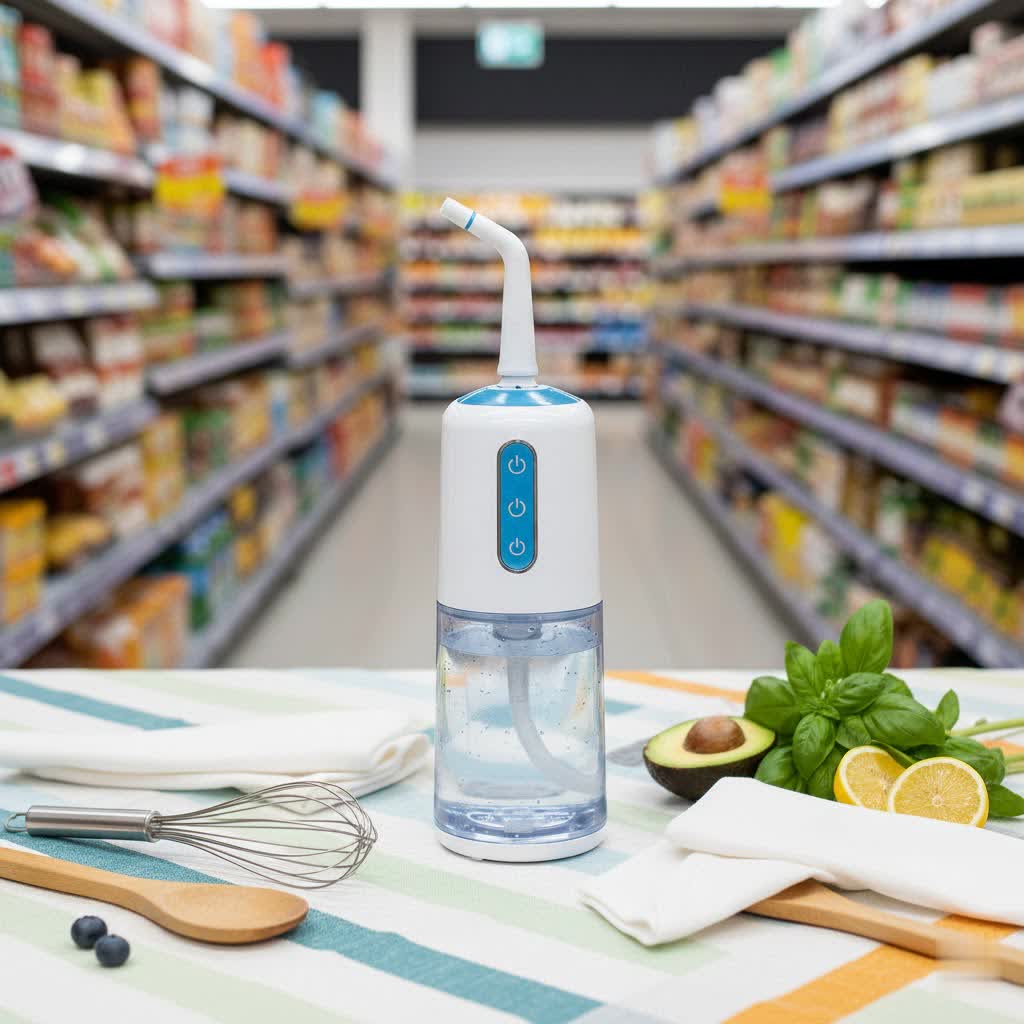
A countertop water flosser, often known as an oral irrigator or dental water jet, is an innovative dental appliance designed to remove plaque, food debris, and bacteria from your teeth and gums using a focused stream of pulsating water. Unlike string floss, which relies on manual dexterity to scrape surfaces, the water flosser effectively rinses out particles from hard-to-reach areas, including below the gumline and between teeth, where a toothbrush can’t always reach.
The core principle involves a motorized pump that delivers pressurized water from a reservoir through a specialized nozzle. This action dislodges stubborn plaque and washes away food particles, offering a superior clean and contributing significantly to overall oral health. Its ease of use and effectiveness make it a popular choice for enhancing daily dental routines.
Types of Water Flossers: Countertop vs. Cordless
When considering a water flosser, you’ll primarily encounter two main categories: countertop and cordless models. Each offers distinct advantages tailored to different lifestyles and needs. Understanding these differences is key to choosing the right device for you.
Countertop Water Flosser
Countertop models are typically plug-in units designed to sit permanently by your sink. They feature a larger base that houses a substantial water reservoir and a powerful motor, connected to a handle with an interchangeable tip via a hose.
- Pros:
- Consistent Power: Generally offer higher, more consistent water pressure and a wider range of settings (often up to 10), allowing for a highly customized and powerful clean.
- Large Reservoir Capacity: Their generous water tanks provide 90 seconds or more of flossing time, minimizing the need for refills during a single session, ideal for thorough cleaning or multiple users.
- Variety of Tips: Come with a greater assortment of specialized tips, catering to different dental needs like braces, implants, periodontal pockets, or general cleaning.
- Durability: Built for stationary use, they often have a longer lifespan without concerns about battery degradation.
- Family-Friendly: Multiple tips and a large reservoir make them convenient for shared household use.
- Cons:
- Less Portable: Their size and reliance on a power outlet make them less suitable for travel or moving between bathrooms.
- Counter Space: They require dedicated counter space, which might be a consideration for smaller bathrooms.
- Cord Dependency: Requires a nearby electrical outlet during operation.
|
Our Picks for the Best Water Flosser in 2026
As an Amazon Associate I earn from qualifying purchases.
|
||
| Num | Product | Action |
|---|---|---|
| 1 | Waterpik Aquarius Water Flosser For Teeth Cleaning, Gums, Braces, Dental Care, Electric Power With 10 Settings, 7 Tips For Multiple Users And Needs, ADA Accepted, White WP-660, Packaging May Vary |

|
| 2 | COSLUS Portable Water Flosser for Teeth: 3 Modes & 6 Pressure Settings with Jet Mode Water Dental Pick for Orthodontic, Braces, Sensitive Gums, Compact for Travel, 300ML for Multiple Users, White C51 |
|
| 3 | COSLUS Portable Water Flosser for Teeth: 4 Modes & 5 Intensity Levels Professional Electric Dental Pick for Sensitive Gums, Braces & Orthodontic - Cordless for Travel Use, for Adults, BPA-Free, Pink |
|
| 4 | Water Flosser, Water Dental Flosser Pick for Teeth, 300ML IPX7 Waterproof Oral Irrigator, 3 Modes 4 Replaceable Jet Tips, Professional Flossing Cleaning Picks for Home Travel Gums, Braces Care (Black) |
|
| 5 | Bitvae Water Dental Flosser for Teeth, Cordless Water Teeth Cleaner Picks, 3 Modes 5 Intensities, IPX7 Waterproof, Rechargeable Water Dental Picks for Cleaning - Black |
|
| 6 | OILSAO Electric Toothbrush with Water Flosser Combo, All in One Sonic Toothbrush with 3 Modes & 5 Flossing Speeds, Rechargeable & Portable for Adult Teeth Cleaning and Plaque Removal,Pearl White |
|
| 7 | Waterpik Cordless Pulse Rechargeable Portable Water Flosser for Teeth, Gums, Braces Care and Travel with 2 Flossing Tips, Waterproof for Shower, ADA Accepted, WF-20 Blue, Packaging and Tips May Vary |
|
| 8 | Benhip Water Flosser with Electric Toothbrush – 3 Sonic Toothbrush Modes & 5 Water Flossing Pressure – Fast Charging & IPX7 Waterproof – Portable Travel Case Included |
|
| 9 | COSLUS Water Dental Flosser Teeth Pick: Portable Cordless Oral Irrigator 300ML Rechargeable Travel Irrigation Cleaner IPX7 Waterproof Electric Flossing Machine for Teeth Cleaning C20(F5020E) |
|
| 10 | Onlyone Rechargeable Cordless Water Flosser with Adjustable Water Pressure for Daily Oral Care, Power Dental Flosser for Home and Travel Use, Portable Oral Irrigator for Sensitive Gums and Braces Care |
|
A newer sub-category, the “cordless countertop” flosser, like the Waterpik ION, combines the power and reservoir capacity of a countertop model with the flexibility of a rechargeable battery. This innovative design reduces cord clutter and allows for placement anywhere on the counter without being tethered to an outlet.
Cordless Water Flosser
Cordless models are compact, battery-powered (rechargeable or AA batteries) devices designed for portability and convenience. The reservoir is typically integrated into the handle, making them a single, handheld unit.
- Pros:
- Portability: Lightweight and compact, they are excellent for travel or for those with limited bathroom counter space.
- Flexibility: Can be used in the shower (if waterproof) or moved easily between bathrooms.
- Space-Saving: Takes up minimal space on your vanity or in storage.
- Cons:
- Lower Power/Pressure: Generally less powerful and offer fewer pressure settings (often 2-3) compared to their countertop counterparts.
- Smaller Reservoir: The smaller tank often means needing to refill during a full flossing session.
- Battery Management: Requires regular charging or battery replacement, which can be less convenient for some.
Which Type is Right for You?
If you prioritize maximum cleaning power, extended flossing sessions without refilling, a wide range of pressure settings, and a device for multiple users at home, a traditional countertop water flosser is likely your best choice. If portability, space-saving, and shower-use are more critical, a cordless model might be more suitable. However, for those seeking a blend of both, a cordless countertop option offers a compelling compromise.
How to Choose the Best Countertop Water Flosser (Buying Guide)
Selecting the right countertop water flosser can significantly impact your oral hygiene routine. With many options available, understanding key features will help you make an informed decision.
Key Factors to Consider
- Water Pressure: Look for models with adjustable pressure settings. A wide range (from gentle to powerful) is crucial, especially if you have sensitive gums or are new to water flossing. Starting on a lower setting and gradually increasing is recommended. Countertop models typically offer 10 settings, providing ample customization.
- Reservoir Capacity: A larger reservoir means less refilling during your flossing session. For thorough cleaning, aim for a tank that provides at least 90 seconds of continuous use, which is a common feature in countertop models. This is particularly beneficial for families or those with complex dental work.
- Nozzle Types (Tips): Different tips are designed for specific needs. A good countertop flosser should come with a variety:
- Classic Jet Tip: For general cleaning.
- Plaque Seeker Tip: For implants, crowns, bridges, and veneers.
- Orthodontic Tip: Specifically designed to clean around braces.
- Pik Pocket™ Tip: For periodontal pockets and furcations.
- Toothbrush Tip: Combines brushing and flossing action.
- Modes and Settings: Beyond just pressure, some flossers offer different cleaning modes (e.g., massage mode for gum stimulation, deep clean). More options provide greater versatility.
- Noise Level: While many water flossers produce some sound, some models are noticeably quieter than others. If noise is a concern, check product reviews or specifications; for example, certain Philips Sonicare models are noted for quiet operation.
- Size and Footprint: Countertop models vary in size. Measure your available counter space to ensure the unit fits comfortably without cluttering your bathroom. Some newer “cordless countertop” models offer a more compact footprint.
- Price: Water flossers range in price. Consider your budget, but also view it as an investment in your long-term oral health. Higher-priced models often come with more features, better durability, and a wider array of accessories.
- ADA Seal of Acceptance: This seal from the American Dental Association signifies that a product has been tested and meets stringent standards for safety and effectiveness. Choosing a water flosser with the ADA Seal provides an extra layer of confidence in its performance.
Reputable Brands
Market leaders like Waterpik and Philips Sonicare are consistently top-rated for their quality, innovation, and reliability. Oral-B also offers competitive models. When selecting, look for these brands, as they often have a proven track record and strong customer support.
Top Countertop Water Flosser Models Compared
Choosing among the best can be tough, so here’s a comparison of some highly-rated countertop water flossers, highlighting their key features to help you decide.
| Feature / Model | Waterpik Aquarius WF-10 | Waterpik ION Cordless Countertop WF-11 | Philips Sonicare Power Flosser 7000 | H2Ofloss Countertop Oral Irrigator |
|---|---|---|---|---|
| Type | Corded Countertop | Cordless Countertop (rechargeable) | Corded Countertop | Corded Countertop |
| Water Pressure (PSI) | 10-100 PSI (10 settings) | 10-100 PSI (7 settings) | Up to 90 PSI (10 intensity levels, 4 modes) | Adjustable (up to 10 settings) |
| Reservoir Capacity | 22 oz (90+ seconds) | 22 oz (90+ seconds) | 20 oz (60-90 seconds) | 800ml / 27 oz (150+ seconds) |
| Nozzle/Tip Types | 7 tips (3 classic, plaque, ortho, pik pocket, brush) | 7 tips (3 classic, plaque, ortho, pik pocket, brush) | 2 tips (Quad Stream, Standard) | 12 multifunctional tips (jet, ortho, perio, tongue) |
| Special Features | Massage Mode, 1-Minute Timer, 30-Second Pacer | Magnetic Charger, Compact, Less Clutter | SenseIQ Technology, Pause Button, LED Guidance | UV Sterilizer for tips, Quiet Design |
| Approx. Price Range | $70 – $90 | $90 – $120 | $100 – $140 | $50 – $70 |
| Pros | Excellent overall performance, easy to use, ADA accepted. | Cordless flexibility, compact footprint, strong pressure. | Superior plaque removal, advanced tech, gentle for sensitive gums. | Highly affordable, large reservoir, many tips for families. |
| Cons | Requires counter space, corded. | Battery needs charging, slightly louder than some. | Higher price point, fewer included tip types. | Less established brand, design may vary. |
How to Use Your Countertop Water Flosser Correctly
Using a countertop water flosser is simple, but proper technique ensures maximum effectiveness. Follow these steps to get the most out of your device:
- Prepare the Reservoir: Fill the water reservoir with warm water. You can also add a small amount of non-alcoholic mouthwash if recommended by your dentist. Ensure the reservoir is firmly placed back on the base.
- Select and Insert Tip: Choose the appropriate tip for your needs (e.g., a classic jet tip for general cleaning, an orthodontic tip for braces) and firmly click it into the handle.
- Prime the Pump (First Use): If it’s your first time using the unit or if it hasn’t been used in a while, set the pressure control to high, point the tip into the sink, and turn on the unit until water flows. Then, turn it off. This primes the pump.
- Position Yourself: Lean over the sink and place the tip into your mouth. Partially close your lips around the tip to prevent splashing, but allow water to flow from your mouth into the sink. Avoid looking in the mirror with your mouth wide open, as this will lead to a messy experience.
- Start Flossing: Power on the unit at the lowest pressure setting. Direct the tip towards your gumline at a 90-degree angle. Start with your back teeth and work your way forward, pausing briefly between each tooth. Aim to trace along the gumline on both the front and back surfaces of your teeth.
- Adjust Pressure: As you become more comfortable, gradually increase the water pressure to a setting that feels effective yet gentle, like a comfortable gum massage. Never use a setting that causes pain or discomfort.
- Complete Your Routine: Continue for at least one minute, ensuring you cover all areas of your mouth. Many countertop models have a built-in timer or pacer to guide you.
- Clean Up: Once done, turn off the unit. Remove the tip and rinse it under water. Empty any remaining water from the reservoir and allow it to air dry to prevent bacterial growth.
Tips for Best Results
- Warm Water: Using warm water can make the experience more comfortable, especially for sensitive teeth.
- Angle is Key: Maintain the 90-degree angle to effectively clean below the gumline.
- Slow and Steady: Don’t rush. Pause for a second or two between each tooth to allow the water jet to thoroughly clean the area.
- Consistency: Daily use is the most important factor for achieving and maintaining optimal oral health benefits.
Benefits of Countertop Water Flossers for Oral Health
Incorporating a countertop water flosser into your daily routine offers a multitude of advantages that go beyond what traditional brushing and string flossing alone can achieve.
- Superior Plaque and Debris Removal: Water flossers are clinically proven to remove up to 99.9% of plaque from treated areas, significantly more effective than traditional string floss. The pulsating water stream reaches deep into crevices and pockets, dislodging food particles and bacteria that often escape other cleaning methods.
- Gum Health Improvement: Regular use helps prevent and reduce gingivitis, a common form of gum disease. By thoroughly cleaning along the gumline and within periodontal pockets, water flossers can reduce gum inflammation and bleeding, promoting healthier, firmer gum tissue.
- Effective for Specific Needs: These devices are a game-changer for individuals with dental challenges.
- Braces: The jet stream can easily navigate around wires and brackets, removing trapped food and plaque.
- Implants, Crowns, Bridges, and Veneers: Water flossers are gentle yet effective at cleaning around these restorations without causing damage.
- Periodontal Disease: Specialized tips, like the Pik Pocket™ tip, can deliver therapeutic rinses deep into gum pockets, aiding in managing gum disease.
- Sensitive Gums: With adjustable pressure settings, water flossers provide a gentle cleaning experience that can be more comfortable than string floss, which can sometimes cause irritation.
- Fresher Breath: By eliminating odor-causing bacteria from between teeth and below the gumline, water flossers contribute to significantly fresher breath.
- Enhanced Oral Hygiene Routine: Many find water flossing easier and more enjoyable than string flossing, which can lead to greater consistency in their daily oral care. It’s less technique-sensitive and doesn’t require putting your hands in your mouth.
> “Water flossers are excellent tools, especially for those who struggle with traditional flossing or have specific dental appliances like braces or implants. The key is consistent use with proper technique.” – Dr. Jane Smith, Periodontist
Important Considerations When Using a Water Flosser
While a countertop water flosser is a powerful ally in your oral health arsenal, it’s essential to use it wisely and understand its role in your overall dental care.
- Not a Replacement for Brushing: A water flosser is a supplemental cleaning tool, not a substitute for brushing. You should always brush your teeth twice a day for two minutes with a fluoride toothpaste to effectively remove plaque from tooth surfaces.
- String Floss vs. Water Flosser: For most people, dentists recommend incorporating both string flossing and water flossing for comprehensive cleaning. String floss excels at scraping plaque from the sides of teeth where they touch, while a water flosser is superior at flushing debris from below the gumline and in irregular surfaces. Always consult your dentist to determine the best flossing regimen for your individual needs.
- Adjusting Pressure: Always start with the lowest pressure setting and gradually increase it until you find a comfortable yet effective level. High pressure can sometimes cause gum irritation if your gums are very sensitive or if you’re new to the device.
- Consult Your Dentist: If you have any existing gum disease, deep periodontal pockets, or complex dental work, talk to your dentist or hygienist. They can advise you on the best type of water flosser, recommend specific tips, and demonstrate proper technique tailored to your oral health situation. They might also suggest adding antimicrobial rinses to your water flosser for targeted treatment.
- Regular Cleaning of the Unit: To prevent the buildup of bacteria, mold, or mineral deposits (especially in hard water areas), regularly clean your water flosser. This often involves running a solution of warm water and white vinegar through the unit. Refer to your device’s manual for specific cleaning instructions.
Conclusion
A countertop water flosser is more than just a gadget; it’s a significant investment in your long-term oral health, offering a level of cleanliness and gum care that traditional methods often miss. With its powerful, customizable water pressure, large reservoir, and specialized tips, it provides a thorough and comfortable cleaning experience, especially beneficial for those with braces, implants, or sensitive gums. By integrating this advanced tool into your daily routine, you can effectively remove plaque, prevent gum disease, and enjoy a noticeably fresher, healthier smile. So, are you ready to upgrade your oral hygiene and feel the difference a countertop water flosser can make?
Frequently Asked Questions
Can a water flosser replace brushing or string floss?
No, a water flosser should not replace brushing or traditional string floss. It is an excellent complementary tool that enhances your oral hygiene routine by cleaning areas that brushing and string flossing might miss, but it doesn’t entirely fulfill their functions. Dentists generally recommend using all three for comprehensive oral care.
How often should I use my countertop water flosser?
For optimal results, it is recommended to use your countertop water flosser at least once a day, preferably in the evening after brushing, to remove food particles and plaque accumulated throughout the day. Consistent daily use is key to improving gum health and maintaining a clean mouth.
Is a countertop water flosser suitable for sensitive gums?
Yes, countertop water flossers are often suitable for sensitive gums. Most models come with multiple pressure settings, allowing you to start with the lowest, most gentle setting and gradually increase it as your gums become accustomed. The pulsating water stream is generally less abrasive than string floss, making it a comfortable option.
What type of water should I use in my water flosser?
Always use lukewarm water in your water flosser for maximum comfort, especially if you have sensitive teeth. You can also add a non-alcoholic mouthwash, if recommended by your dentist, to the reservoir for additional benefits, but avoid using saltwater or essential oils unless specifically approved by the manufacturer.
How do I clean my countertop water flosser?
To clean your countertop water flosser, detach and rinse the tips after each use. Periodically, clean the reservoir and run a mixture of warm water and white vinegar (a 1:1 ratio is common) through the unit to descale and disinfect it. Always consult your product manual for specific cleaning and maintenance instructions.
What is the ADA Seal of Acceptance?
The ADA (American Dental Association) Seal of Acceptance is a trusted symbol indicating that a dental product has been scientifically evaluated and meets the ADA’s criteria for safety and effectiveness. Choosing a water flosser with this seal provides assurance that the product performs as advertised and is safe for oral use.
