Achieving a truly clean and healthy mouth goes beyond mere brushing. In the quest for optimal oral hygiene, many are discovering the transformative power of combining advanced tools like a water flosser and an electric toothbrush. These modern devices offer a comprehensive approach that traditional methods often miss, ensuring every corner of your mouth receives the attention it deserves. This article delves into how these innovative tools work, their distinct advantages, how to select the best options for your needs, and why integrating them into your daily routine is the key to unlocking a healthier, more confident smile.
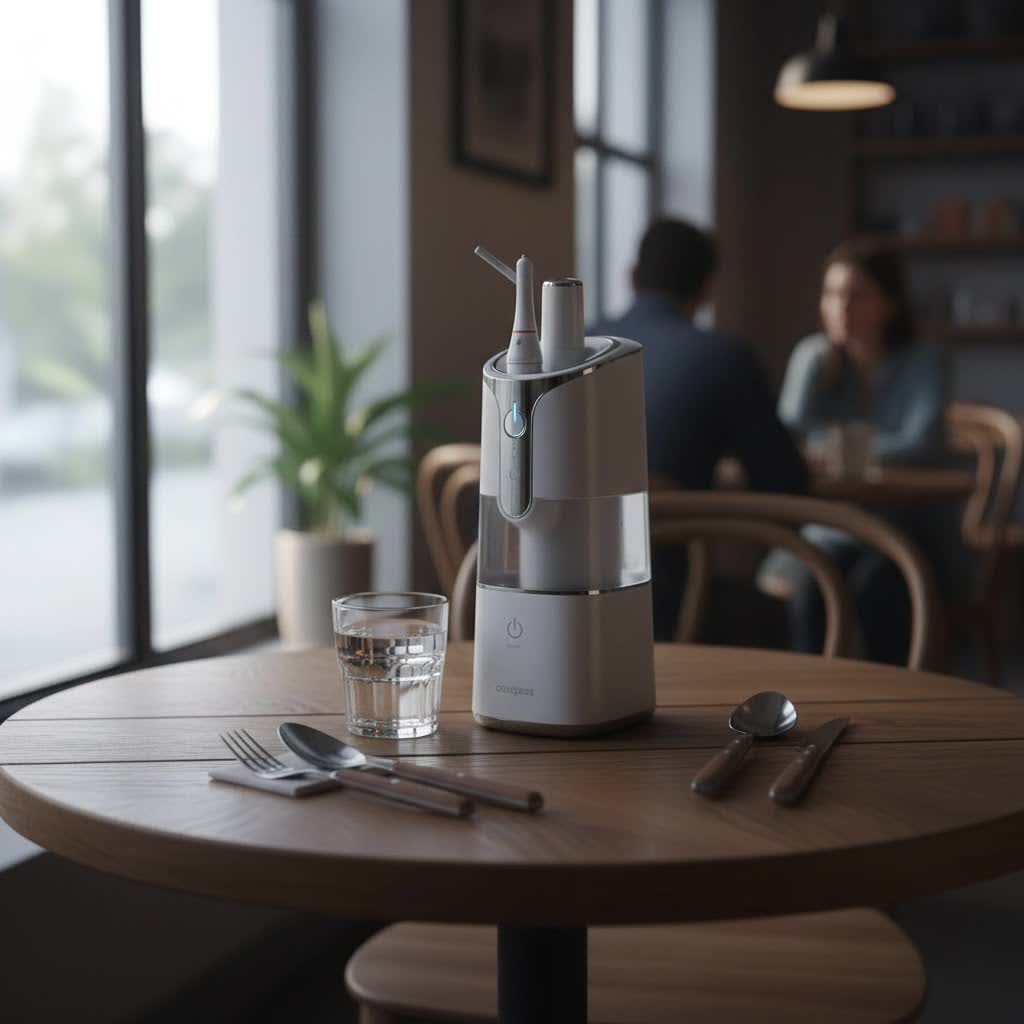
What is a Water Flosser and an Electric Toothbrush?
At the heart of superior oral care are two distinct yet complementary technologies: the water flosser and the electric toothbrush. A water flosser, also known as an oral irrigator, utilizes a targeted stream of pulsating water to dislodge food particles and plaque from between teeth and beneath the gumline. This powerful yet gentle action reaches areas traditional string floss might struggle with, effectively rinsing away debris and bacteria.
An electric toothbrush, on the other hand, cleans the surfaces of your teeth with high-speed vibrations or oscillating-rotating motions. Unlike a manual toothbrush, it performs thousands of strokes per minute, efficiently removing plaque and polishing enamel. While the electric toothbrush excels at scrubbing tooth surfaces, the water flosser meticulously cleans the interdental spaces and gum pockets. Together, they form a formidable duo, addressing both surface plaque and hard-to-reach debris for an unparalleled clean.
The Evolution: Water Flosser and Electric Toothbrush Combos
Innovations in oral care have led to the creation of water flosser and electric toothbrush combos, offering a streamlined solution for comprehensive dental hygiene. Devices like the Waterpik Sonic-Fusion integrate both technologies into a single unit, providing the convenience of brushing and water flossing simultaneously or independently with the push of a button. These all-in-one systems are designed to save counter space and simplify your routine.
Combo devices typically feature a sonic toothbrush head that also delivers a pulsating stream of water. This unique design allows you to brush your teeth while simultaneously flossing, maximizing efficiency and effectiveness. They often come with a shared charging base, making them ideal for busy individuals or anyone looking to declutter their bathroom. This integration means you can enjoy the deep cleaning benefits of both tools without switching between separate devices.
Types of Water Flossers and Electric Toothbrushes
The market offers a variety of water flossers and electric toothbrushes, each designed to meet different needs and preferences. Understanding their types can help you make an informed choice.
Water Flossers:
- Countertop Water Flossers: These are typically larger, plug-in models with a generous water reservoir and multiple pressure settings. They offer consistent power and are ideal for home use, often accommodating various family members with different tips.
- Cordless/Portable Water Flossers: Compact and battery-operated, these models are perfect for travel or smaller bathrooms. While their reservoirs are smaller, requiring refills, they offer excellent convenience and portability.
Electric Toothbrushes:
- Sonic Toothbrushes: These brushes use high-frequency vibrations to create fluid dynamics, cleaning not only where the bristles touch but also reaching beyond to dislodge plaque and debris further away. Brands like Philips Sonicare are well-known in this category.
- Oscillating-Rotating Toothbrushes: Featuring a small, round brush head that oscillates and rotates, these brushes vigorously scrub away plaque from tooth surfaces. Oral-B is a prominent brand offering this technology.
- Combo Devices: As discussed, these innovative units combine both an electric toothbrush and a water flosser, offering a seamless and comprehensive cleaning experience in one system.
Each type has its unique strengths, catering to varying requirements for power, portability, and integrated functionality.
Your Guide to Choosing the Best Oral Care Devices
Selecting the right water flosser or electric toothbrush (or a combo) is crucial for an effective oral care routine. Consider these key factors:
For Water Flossers:
- Water Pressure: Look for adjustable pressure settings (measured in PSI) to customize intensity for comfort and effectiveness, especially if you have sensitive gums. A range from 10 to 100 PSI is common.
- Reservoir Capacity: A larger reservoir means longer flossing time without refills, which is convenient for countertop models. Cordless versions will have smaller, travel-friendly tanks.
- Nozzle Types: Different tips are available for specific needs: standard, orthodontic for braces, periodontal for gum disease, plaque seeker for implants/crowns, and tongue cleaners.
- Modes: Beyond basic cleaning, some flossers offer massage or pulse modes for gum stimulation.
For Electric Toothbrushes:
- Brush Head Type: Decide between sonic (vibrating) or oscillating-rotating (scrubbing) based on your preference and dental professional’s recommendation. Ensure bristles are soft to prevent enamel damage.
- Cleaning Modes: Many electric toothbrushes offer multiple modes such as daily clean, sensitive, gum care, whitening, and deep clean.
- Battery Life: Especially for cordless models, consider how long the battery lasts on a single charge.
- Timer and Pacer: A built-in 2-minute timer and 30-second pacer ensure you brush for the dentist-recommended duration in each quadrant of your mouth.
For Combo Devices: Prioritize the effectiveness of both the brushing and flossing components. Look for reputable brands like Waterpik, ToiletTree, or Bitvae that offer robust features, good battery life, and multiple settings for both functions. Reading user reviews and consulting your dentist can provide valuable insights.
Using Your Water Flosser and Electric Toothbrush for Maximum Impact
Proper technique is vital to maximize the benefits of these advanced oral care tools.
Preparation: Always start with a charged device and a full water reservoir. For water flossers, use lukewarm water for comfort, and you can add a small amount of mouthwash if desired.
Brushing with an Electric Toothbrush:
- Apply a pea-sized amount of toothpaste to the brush head.
- Place the brush at a 45-degree angle to your gumline.
- Turn the brush on and gently glide it over each tooth surface, letting the brush do the work. Avoid scrubbing aggressively.
- Spend about 30 seconds on each quadrant of your mouth (upper right, upper left, lower right, lower left) for a total of two minutes.
Flossing with a Water Flosser:
- Lean over the sink to prevent splashing.
- Start with the lowest pressure setting and increase gradually as you get comfortable.
- Aim the water stream at a 90-degree angle to your teeth, slightly above the gumline.
- Trace the gumline, pausing briefly between each tooth to allow water to flush out debris. Work your way around both the front and back of your teeth.
For Combo Devices: Follow the manufacturer’s instructions, but generally, you can brush and floss simultaneously. Position the brush head and water jet carefully to target both tooth surfaces and interdental spaces.
Order of Use: If using separate devices, many dentists recommend brushing first to remove surface plaque, then water flossing to clear dislodged debris and clean between teeth and below the gumline.
Maintenance: Regularly clean your devices and replace brush heads every three months, or sooner if bristles are frayed. Replace water flosser tips every 3-6 months as recommended by the manufacturer. This ensures optimal performance and hygiene.
Unlocking a Healthier Smile: Benefits of This Dynamic Duo
Integrating a water flosser and an electric toothbrush into your daily routine offers a wealth of benefits for your oral health, going far beyond what traditional methods can achieve.
Superior Plaque and Debris Removal: Electric toothbrushes excel at eliminating plaque from tooth surfaces, while water flossers reach deep into interdental spaces and beneath the gumline, where plaque and food particles often hide. This combined action significantly reduces the overall plaque burden in your mouth, contributing to a truly clean feeling.
Enhanced Gum Health: The thorough cleaning provided by both tools is instrumental in preventing and reversing gingivitis, an early stage of gum disease. Electric toothbrushes gently stimulate gums, and water flossers effectively remove bacteria that cause inflammation and bleeding. Many users report reduced gum bleeding and improved gum health after consistent use.
Reaching Hidden Areas: Both braces and dental implants present unique challenges for cleaning. Water flossers are particularly effective for individuals with orthodontics, crowns, bridges, or implants, as the pulsating water can navigate around wires, brackets, and prosthetic structures to remove trapped food and bacteria.
Ideal for Specific Needs: For those with sensitive gums, water flossers offer a gentler alternative to string floss while still providing a deep clean. Electric toothbrushes with sensitive modes can also be a game-changer for comfortable and effective brushing.
Fresher Breath: By efficiently removing food particles and bacteria that cause unpleasant odors, this dynamic duo contributes to significantly fresher breath, boosting your confidence throughout the day.
The synergistic effect of these two tools provides a comprehensive cleaning experience that targets all aspects of your oral hygiene, leading to a healthier mouth and a brighter smile.
Important Considerations for Daily Use
While water flossers and electric toothbrushes offer significant advantages, it’s essential to use them correctly and understand their limitations.
Firstly, a water flosser should not replace an electric toothbrush, nor vice versa. Each tool performs a distinct and crucial function in maintaining oral hygiene. The electric toothbrush is designed to clean the broad surfaces of your teeth, removing plaque and stains, while the water flosser targets the hard-to-reach areas between teeth and below the gumline. For optimal results, both should be integral parts of your daily routine.
Secondly, always start with the lowest pressure setting on your water flosser and gradually increase it as your gums become accustomed. Using too high a pressure initially can cause discomfort or even gum irritation. Similarly, let your electric toothbrush do the work; applying too much pressure can damage gum tissue or tooth enamel.
Finally, consistent maintenance is key. This includes regularly cleaning both devices, especially the water reservoir for your flosser, to prevent bacterial buildup. Remember to replace brush heads every three months and flosser tips every three to six months, as worn bristles and tips are less effective. If you have any specific dental concerns, such as advanced gum disease or complex restorations, consult your dentist for personalized advice on incorporating these tools into your care regimen.
Frequently Asked Questions
Can a water flosser replace an electric toothbrush?
|
Our Picks for the Best Water Flosser in 2026
As an Amazon Associate I earn from qualifying purchases.
|
||
| Num | Product | Action |
|---|---|---|
| 1 | Onlyone Rechargeable Cordless Water Flosser with Adjustable Water Pressure for Daily Oral Care, Power Dental Flosser for Home and Travel Use, Portable Oral Irrigator for Sensitive Gums and Braces Care |

|
| 2 | Waterpik Cordless Pulse Rechargeable Portable Water Flosser for Teeth, Gums, Braces Care and Travel with 2 Flossing Tips, Waterproof for Shower, ADA Accepted, WF-20 Blue, Packaging and Tips May Vary |
|
| 3 | Bitvae Water Dental Flosser for Teeth, Cordless Water Teeth Cleaner Picks, 3 Modes 5 Intensities, IPX7 Waterproof, Rechargeable Water Dental Picks for Cleaning - Black |
|
| 4 | COSLUS Portable Water Flosser for Teeth: 4 Modes & 5 Intensity Levels Professional Electric Dental Pick for Sensitive Gums, Braces & Orthodontic - Cordless for Travel Use, for Adults, BPA-Free, Pink |
|
| 5 | COSLUS Portable Water Flosser for Teeth: 3 Modes & 6 Pressure Settings with Jet Mode Water Dental Pick for Orthodontic, Braces, Sensitive Gums, Compact for Travel, 300ML for Multiple Users, White C51 |
|
| 6 | Benhip Water Flosser with Electric Toothbrush – 3 Sonic Toothbrush Modes & 5 Water Flossing Pressure – Fast Charging & IPX7 Waterproof – Portable Travel Case Included |
|
| 7 | COSLUS Water Dental Flosser Teeth Pick: Portable Cordless Oral Irrigator 300ML Rechargeable Travel Irrigation Cleaner IPX7 Waterproof Electric Flossing Machine for Teeth Cleaning C20(F5020E) |
|
| 8 | OILSAO Electric Toothbrush with Water Flosser Combo, All in One Sonic Toothbrush with 3 Modes & 5 Flossing Speeds, Rechargeable & Portable for Adult Teeth Cleaning and Plaque Removal,Pearl White |
|
| 9 | Water Flosser, Water Dental Flosser Pick for Teeth, 300ML IPX7 Waterproof Oral Irrigator, 3 Modes 4 Replaceable Jet Tips, Professional Flossing Cleaning Picks for Home Travel Gums, Braces Care (Black) |
|
| 10 | Waterpik Aquarius Water Flosser For Teeth Cleaning, Gums, Braces, Dental Care, Electric Power With 10 Settings, 7 Tips For Multiple Users And Needs, ADA Accepted, White WP-660, Packaging May Vary |
|
No, a water flosser cannot replace an electric toothbrush. An electric toothbrush is essential for cleaning the surfaces of your teeth and removing plaque effectively. The water flosser complements this by targeting debris and plaque in between teeth and below the gumline, areas an electric toothbrush might miss. Both are vital for comprehensive oral hygiene.
What is the ideal order for brushing and water flossing?
While individual preferences vary, many dental professionals recommend brushing your teeth with an electric toothbrush first to remove surface plaque and loosen debris. Afterward, use your water flosser to rinse away any dislodged particles and clean the interdental spaces and gumline thoroughly.
Are water flosser and electric toothbrush combos effective?
Yes, combination devices that integrate both a water flosser and an electric toothbrush can be highly effective. They offer the convenience of performing both essential cleaning steps with a single device, often simultaneously. This streamlined approach can lead to superior plaque removal and improved gum health, especially for those seeking efficiency.
How often should I use my water flosser and electric toothbrush?
For optimal oral hygiene, you should use your electric toothbrush at least twice a day for two minutes each time. A water flosser should be used at least once a day, preferably after brushing, to ensure thorough cleaning of interdental spaces and gumlines. Consistency is more important than frequency.
Is it safe to use a water flosser with braces or implants?
Absolutely. Water flossers are particularly beneficial for individuals with braces, implants, crowns, or bridges. The pulsating water stream can effectively clean around orthodontic appliances and dental restorations, reaching areas that are difficult to access with traditional brushing or string floss, thus helping to prevent plaque buildup and maintain gum health.
