Maintaining impeccable oral hygiene is a cornerstone of overall health, and while brushing twice daily is essential, cleaning between your teeth is just as crucial. For many, traditional string flossing can be a tedious and challenging task, often leading to inconsistent habits. This is where the handheld water flosser steps in as a game-changer, offering a convenient, effective, and often more enjoyable way to achieve a truly clean mouth. If you’ve been searching for a simpler, more efficient method to elevate your dental routine, a portable water flosser might be the perfect solution you’ve been waiting for.
What is a Water Flosser?
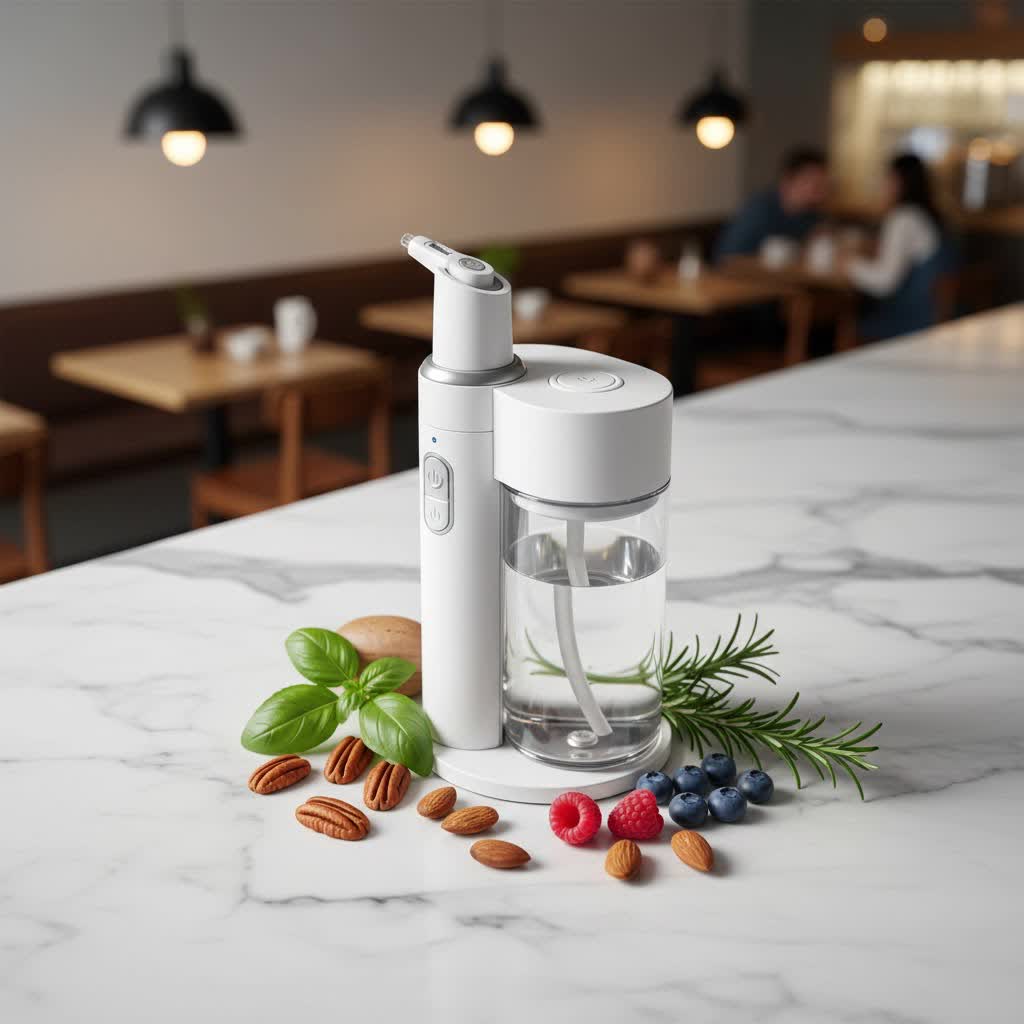
A water flosser, also known as an oral irrigator or dental water jet, is an innovative oral care device designed to enhance your daily cleaning routine. It works by directing a pulsating stream of water between your teeth and along your gumline. This powerful yet gentle stream effectively dislodges food particles, plaque, and bacteria that your toothbrush might miss, reaching areas traditional string floss often struggles with. The fundamental principle is simple: pressurized water cleans where bristles and string cannot, promoting healthier gums and a cleaner mouth.
The benefits of incorporating a water flosser into your routine extend beyond simple debris removal. Unlike string floss, which relies on manual dexterity and can sometimes be harsh on sensitive gums, a water flosser offers a gentler approach while still being incredibly thorough. It can penetrate deeper into gum pockets, stimulate gum tissue, and effectively clean around complex dental work such as braces, bridges, and implants. For many, this translates to reduced plaque buildup, fresher breath, and a noticeable improvement in gum health, making it a compelling alternative or complement to traditional flossing methods.
Types of Water Flossers: Focusing on Handheld Convenience
When considering a water flosser, you’ll primarily encounter two main categories: countertop and handheld (often referred to as cordless or portable) models. Both serve the same fundamental purpose of interdental cleaning, but they cater to different lifestyles and needs.
Countertop Water Flossers
These models are designed for stationary use in your bathroom. They typically feature a larger water reservoir, which means less frequent refilling during a single cleaning session, and often boast a wider range of water pressure settings for highly customizable cleaning. The main unit usually remains on your counter, connected to an electrical outlet, while a lightweight handle delivers the water stream. Countertop models are generally more powerful and may offer more specialized tips. However, their larger footprint and need for an outlet limit their portability.
Handheld (Cordless/Portable) Water Flossers
Handheld water flossers are the epitome of convenience and flexibility, making them the focus for those seeking an uncompromised cleaning experience on the go. These compact, battery-operated devices integrate the motor, pump, and a smaller water reservoir into a single unit, designed to be held comfortably in one hand.
-
Pros of Handheld Water Flossers:
- Portability: Their compact size makes them ideal for travel, fitting easily into carry-on luggage or a gym bag.
- Space-Saving: Perfect for smaller bathrooms or those with limited counter space, as they can be stored away after use.
- Flexibility of Use: Many handheld models are waterproof, allowing you to use them in the shower, which can minimize mess and streamline your routine.
- Ease of Handling: The cordless design offers greater maneuverability around your entire mouth without being tethered to an outlet.
-
Cons of Handheld Water Flossers:
- Smaller Reservoir: Due to their compact design, handheld units have smaller water tanks, often requiring one or more refills during a full flossing session.
- Fewer Pressure Settings: While still effective, most handheld models offer 2-3 pressure settings (low, medium, high) compared to the broader range found in countertop units.
- Battery Life: They require regular charging, and battery life can vary significantly between models.
Choosing between a countertop and a handheld water flosser ultimately depends on your priorities. If maximum power, a large water capacity, and a wide array of settings are paramount, and you have ample counter space, a countertop model might be appealing. However, if convenience, portability, shower-friendly use, and a clutter-free bathroom are at the top of your list, a handheld water flosser is undoubtedly the more suitable and practical choice for your daily oral care.
How to Choose the Best Handheld Water Flosser: A Buying Guide
Selecting the ideal handheld water flosser can feel overwhelming with the variety of options available. By considering a few key factors, you can narrow down your choices and find a device that perfectly suits your dental needs and lifestyle.
Key Factors to Consider:
- Water Pressure Settings: Look for models with adjustable pressure settings. While handheld units generally offer 2-3 modes, having options from gentle to strong is important. A lower setting is ideal for sensitive gums or first-time users, gradually increasing as your gums get accustomed to the water stream.
- Reservoir Capacity: Handheld flossers inherently have smaller reservoirs than countertop models. A larger reservoir (e.g., 5-7 ounces) means you might complete a full flossing session (typically 30-45 seconds) without needing a refill. Consider your preferred flossing time and whether frequent refilling is a concern.
- Nozzle Types: Some models come with multiple interchangeable tips, such as classic jet tips, plaque seeker tips, orthodontic tips for braces, or periodontal tips for gum pockets. A variety of tips can enhance the versatility and effectiveness of your flosser for different dental needs.
- Cleaning Modes: Beyond basic pressure settings, some handheld flossers offer different cleaning modes like “pulse,” “massage,” or “deep clean.” These modes can provide varying sensations and targeted cleaning for specific areas or gum stimulation.
- Battery Life and Charging: As a cordless device, battery performance is crucial. Look for models that offer a decent battery life – some can last for several days or even weeks on a single charge. USB-C charging is a convenient feature for travel, allowing you to use common chargers.
- Size, Weight, and Portability: Since you’re opting for a handheld model, compactness and lightweight design are key. Ensure it’s comfortable to hold and easy to pack if you plan to travel frequently.
- Noise Level: While most water flossers produce some sound, some models are designed to be quieter than others. If noise is a concern, check reviews for mentions of operating volume.
- Price: Handheld water flossers come in a range of prices. Establish a budget, but remember that investing in a reputable brand with good features can offer better long-term value for your oral health.
|
Our Picks for the Best Water Flosser in 2026
As an Amazon Associate I earn from qualifying purchases.
|
||
| Num | Product | Action |
|---|---|---|
| 1 | COSLUS Portable Water Flosser for Teeth: 3 Modes & 6 Pressure Settings with Jet Mode Water Dental Pick for Orthodontic, Braces, Sensitive Gums, Compact for Travel, 300ML for Multiple Users, White C51 |

|
| 2 | COSLUS Water Dental Flosser Teeth Pick: Portable Cordless Oral Irrigator 300ML Rechargeable Travel Irrigation Cleaner IPX7 Waterproof Electric Flossing Machine for Teeth Cleaning C20(F5020E) |
|
| 3 | Waterpik Cordless Pulse Rechargeable Portable Water Flosser for Teeth, Gums, Braces Care and Travel with 2 Flossing Tips, Waterproof for Shower, ADA Accepted, WF-20 Blue, Packaging and Tips May Vary |
|
| 4 | COSLUS Portable Water Flosser for Teeth: 4 Modes & 5 Intensity Levels Professional Electric Dental Pick for Sensitive Gums, Braces & Orthodontic - Cordless for Travel Use, for Adults, BPA-Free, Pink |
|
| 5 | Benhip Water Flosser with Electric Toothbrush – 3 Sonic Toothbrush Modes & 5 Water Flossing Pressure – Fast Charging & IPX7 Waterproof – Portable Travel Case Included |
|
| 6 | Onlyone Rechargeable Cordless Water Flosser with Adjustable Water Pressure for Daily Oral Care, Power Dental Flosser for Home and Travel Use, Portable Oral Irrigator for Sensitive Gums and Braces Care |
|
| 7 | OILSAO Electric Toothbrush with Water Flosser Combo, All in One Sonic Toothbrush with 3 Modes & 5 Flossing Speeds, Rechargeable & Portable for Adult Teeth Cleaning and Plaque Removal,Pearl White |
|
| 8 | Bitvae Water Dental Flosser for Teeth, Cordless Water Teeth Cleaner Picks, 3 Modes 5 Intensities, IPX7 Waterproof, Rechargeable Water Dental Picks for Cleaning - Black |
|
| 9 | Waterpik Aquarius Water Flosser For Teeth Cleaning, Gums, Braces, Dental Care, Electric Power With 10 Settings, 7 Tips For Multiple Users And Needs, ADA Accepted, White WP-660, Packaging May Vary |
|
| 10 | Water Flosser, Water Dental Flosser Pick for Teeth, 300ML IPX7 Waterproof Oral Irrigator, 3 Modes 4 Replaceable Jet Tips, Professional Flossing Cleaning Picks for Home Travel Gums, Braces Care (Black) |
|
Reputable Brands:
Several brands consistently receive high marks for their handheld water flossers, known for reliability, innovation, and effectiveness. Some of the most well-regarded names include:
- Waterpik: Often considered the industry standard, Waterpik offers a variety of cordless models like the Cordless Advanced and Cordless Plus, known for their strong performance and effectiveness.
- Philips Sonicare: Renowned for their electric toothbrushes, Philips Sonicare also produces quality cordless power flossers, such as the Power Flosser 3000, which often feature unique nozzle designs for enhanced cleaning.
- Quip: Known for its minimalist design and subscription model, Quip offers rechargeable cordless water flossers that combine aesthetics with effective cleaning.
- Ordo: The Ordo Hydro Sonic is another highly-rated cordless option, often praised for its sleek design and multiple cleaning modes.
- Boka: Offering advanced features like long battery life and multiple nozzles, Boka’s handheld water flossers are gaining popularity for their comprehensive approach to oral care.
By carefully evaluating these factors and exploring models from these trusted brands, you can confidently select a handheld water flosser that fits your individual needs and helps you achieve an optimal level of oral cleanliness.
Top Handheld Water Flosser Models: Exploring Key Features
While a detailed comparison table with specific models and prices can quickly become outdated, understanding the common features and what to look for in top handheld water flossers will empower you to make an informed decision. Leading brands consistently innovate to deliver devices that are powerful, user-friendly, and portable.
When exploring highly-rated handheld water flossers, you’ll often find a blend of features designed to maximize cleaning efficiency and user comfort:
- Ergonomic Design: Top models prioritize comfort, featuring slim, easy-to-grip handles that make maneuvering the device around your mouth effortless. This is particularly important for handheld units, where the entire device is held during use.
- Multiple Pressure Settings: Expect at least two to three pressure settings (e.g., “gentle,” “daily,” “deep clean”) to cater to various sensitivities and cleaning needs. Some advanced models may offer more nuanced control, allowing you to customize the intensity of the water stream.
- Long-Lasting Battery: A significant advantage of premium handheld water flossers is their extended battery life. Many can operate for a week or even a month on a single charge, making them ideal for travel and reducing the hassle of frequent recharging. Look for models with rapid charging capabilities and convenient USB-C charging.
- Generous, Easy-to-Fill Reservoirs: While smaller than countertop versions, good handheld flossers optimize their reservoir size to provide sufficient water for at least a 30-45 second cleaning session without interruption. Easy-fill designs, often with wide openings or detachable tanks, are a plus.
- Variety of Nozzle Tips: Many high-quality handheld flossers come with multiple tips, each designed for a specific purpose. This might include classic jet tips for general cleaning, orthodontic tips to navigate braces, plaque seeker tips for targeted removal, or tongue cleaners for fresh breath.
- Waterproof Construction: Essential for convenience, many top handheld water flossers are fully waterproof, allowing for safe use in the shower. This helps contain any potential mess and integrates seamlessly into your bathing routine.
- 360-Degree Tip Rotation: The ability to rotate the nozzle 360 degrees allows you to easily reach all areas of your mouth, including the backs of your molars, ensuring a comprehensive clean.
- Quiet Operation: While subjective, brands are continuously working to reduce the noise level of their devices, offering a more pleasant user experience.
For example, models like the Waterpik Cordless Advanced are frequently praised for their ergonomic design, multiple pressure settings, and magnetic rapid charging system. The Philips Sonicare Power Flosser 3000 often highlights its unique X-shaped nozzle, designed to divide the water flow into four jets for a faster, deeper clean. Brands like Quip focus on sleek aesthetics alongside effective cleaning, providing a minimalist device with essential features.
When making your choice, consider reading recent reviews for specific models, focusing on user experiences regarding battery life, water pressure, ease of filling, and overall effectiveness to ensure it aligns with your expectations for a premium handheld water flosser.
How to Use Your Handheld Water Flosser Correctly
Using a handheld water flosser effectively is simple once you get the hang of it, and it can significantly boost your oral hygiene. Follow these steps to ensure you’re getting the most out of your device:
Preparation Before Use:
- Charge Your Device: If your handheld water flosser is new or hasn’t been used recently, ensure it’s fully charged. Many manufacturers recommend an initial 24-hour charge before the very first use for optimal battery conditioning.
- Fill the Reservoir: Detach the water reservoir (if applicable) or open the filling port. Fill it with lukewarm water. You can also add a dentist-recommended mouthwash for an enhanced clean, though plain water is perfectly effective. Securely close the reservoir.
- Insert the Tip: Firmly press your chosen nozzle tip into the handle until it clicks into place. If your device has multiple tips, select the one appropriate for your needs (e.g., standard, orthodontic, plaque seeker).
Step-by-Step Usage Instructions:
- Position Yourself: Lean over a sink. This helps catch the water and prevents splashing.
- Place Tip in Mouth: Place the tip of the water flosser into your mouth before turning it on. Partially close your lips around the tip to create a gentle seal, allowing the water to flow into the sink while preventing excessive splashing.
- Turn On and Select Pressure: Turn the unit on and select your desired pressure setting. If you’re new to water flossing or have sensitive gums, start with the lowest setting and gradually increase it as you become comfortable.
- Aim at the Gumline: Aim the water stream at your gumline at a 90-degree angle. Start with your back teeth and work your way forward.
- Clean Each Tooth: Glide the tip along the gumline, pausing briefly between each tooth. Make sure to clean both the front and back surfaces of your teeth, as well as the top of your molars if needed. Allow the water to run from your mouth into the sink.
- Maintain Upright Position: Keep the unit upright during use to ensure a continuous and consistent water flow from the reservoir.
- Complete the Session: Continue until you have cleaned all areas of your mouth or the reservoir is empty, which typically takes about 30-45 seconds for handheld models. Refill and continue if needed for a thorough clean.
- Turn Off and Empty: Turn off the device and remove the tip from your mouth. Empty any remaining water from the reservoir to prevent bacterial growth and extend the life of your device.
Tips for Optimal Results:
- Don’t Rush: Take your time, ensuring you trace every tooth surface and gumline.
- Move Steadily: Keep the water stream moving; don’t leave it in one spot for too long, as this can cause discomfort.
- Avoid Direct Pressure on Gaps: Instead of pressing the tip directly into tooth gaps, aim the stream at the gap to flush out debris.
- Use Daily: For best results, incorporate water flossing into your routine at least once a day, ideally after brushing.
- Consult Your Dentist: If you have specific dental conditions or concerns, always consult your dentist or hygienist for personalized advice on how to best use your water flosser.
Cleaning and Maintenance:
- Empty and Rinse Reservoir: After each use, empty any remaining water from the reservoir and rinse it with clean water.
- Clean the Tip: Remove the nozzle tip and rinse it under running water.
- Wipe Down Unit: Wipe the exterior of the handheld unit with a damp cloth to remove any toothpaste residue or water spots.
- Air Dry: Allow all components to air dry thoroughly before reassembling and storing to prevent mold and mildew buildup.
- Descaling (Monthly): If you live in an area with hard water, consider descaling your water flosser monthly by running a solution of water and white vinegar through it according to the manufacturer’s instructions.
By following these guidelines, your handheld water flosser will remain a hygienic and effective tool for maintaining your oral health for years to come.
The Advantages of Handheld Water Flossers for Your Oral Health
Integrating a handheld water flosser into your daily oral care routine offers a multitude of benefits that contribute significantly to a healthier mouth and a brighter smile. These devices go beyond what traditional brushing and string flossing alone can achieve, addressing common dental concerns with efficiency and ease.
Effective Plaque and Bacteria Removal
The pulsating stream of water from a handheld water flosser is highly effective at dislodging and rinsing away food particles, plaque, and harmful bacteria from between your teeth and beneath the gumline. This thorough cleaning action reaches areas that are often missed by toothbrushes and where string floss may struggle to penetrate, such as the concave surfaces of teeth. By reducing the accumulation of plaque, water flossers play a crucial role in preventing the development of tartar, which can only be removed by a dental professional.
Prevention of Cavities and Gum Disease
Consistent and effective removal of plaque and bacteria is fundamental to preventing two of the most common oral health issues: cavities and gum disease (gingivitis and periodontitis). By flushing out these culprits from critical areas, handheld water flossers drastically reduce the risk of acid attacks on tooth enamel and the inflammation that leads to gum bleeding and recession. Over time, this contributes to stronger teeth and gums, safeguarding against more serious and costly dental problems.
Enhanced Gum Health
The gentle massaging action of the water stream not only cleans the gumline but also stimulates gum tissue. This stimulation can improve blood circulation in the gums, leading to healthier, firmer tissue and a reduction in inflammation and bleeding often associated with gingivitis. Many users report a noticeable improvement in gum health and a fresher feeling mouth after incorporating a water flosser into their regimen.
Reaching Difficult Areas
For individuals with unique dental challenges, handheld water flossers are particularly advantageous. They excel at cleaning around areas that are traditionally hard to access with string floss, such as:
- Between crowded teeth: The fine stream can navigate tight spaces.
- Around dental work: Bridges, crowns, and veneers can harbor food and plaque, which water flossers can effectively clean.
- Deep gum pockets: The water stream can reach into gum pockets to flush out bacteria, which is especially beneficial for those managing periodontal disease.
Ideal for Orthodontics, Implants, and Other Dental Work
One of the most significant advantages of water flossers, especially handheld models, is their compatibility with various dental appliances and treatments.
- Braces: Wires and brackets make traditional flossing nearly impossible. Water flossers can easily clean around orthodontic hardware, removing trapped food and preventing plaque buildup, thereby reducing the risk of decalcification and gum inflammation during orthodontic treatment.
- Dental Implants: Maintaining cleanliness around dental implants is vital for their longevity and to prevent peri-implantitis. Water flossers provide a gentle yet effective way to clean around the implant site without causing damage.
- Bridges and Permanent Retainers: These fixed appliances create crevices where food and plaque can accumulate. The water stream can access these areas, ensuring thorough cleaning that string floss often cannot.
In essence, a handheld water flosser offers a powerful, convenient, and adaptable tool for anyone looking to significantly upgrade their daily oral care routine, leading to a cleaner, healthier, and more confident smile.
Important Considerations When Using a Water Flosser
While a handheld water flosser is a fantastic addition to your oral hygiene toolkit, it’s important to understand how to best integrate it into your routine for maximum benefit and safety. These devices are powerful and effective, but they are part of a comprehensive approach to dental care.
Complementing, Not Replacing, Brushing
It’s crucial to remember that a water flosser is designed to complement your toothbrush, not replace it. Brushing physically removes plaque and food debris from the surfaces of your teeth, while water flossing focuses on cleaning between teeth and below the gumline. For optimal oral health, dentists recommend brushing your teeth for two minutes, twice a day, and incorporating interdental cleaning with a water flosser or string floss at least once daily. Some dental professionals suggest that water flossing can effectively replace string flossing for many individuals, particularly those with braces or dexterity challenges, due to its superior ability to clean certain areas and promote gum health. However, for the most comprehensive care, a combined approach is often recommended.
Adjusting Water Pressure
Modern handheld water flossers offer adjustable pressure settings, which is a key feature for personalized comfort and effectiveness. Always start with the lowest pressure setting, especially if you are new to water flossing or have sensitive gums. Gradually increase the pressure as your gums become accustomed to the sensation. Using a pressure setting that is too high too soon can cause discomfort or even irritate your gums. The goal is a comfortable yet powerful stream that effectively cleans without causing pain or bleeding. If you experience persistent sensitivity, lower the pressure or consult your dentist.
When to Consult Your Dentist
While water flossers are generally safe and beneficial, maintaining regular dental check-ups is paramount. Your dentist or dental hygienist can assess your specific oral health needs and provide personalized recommendations on how to best use your water flosser. It’s especially important to consult your dentist if you:
- Experience persistent gum bleeding or sensitivity after using your water flosser.
- Have specific dental conditions such as advanced periodontal disease, severe gum recession, or complex restorative work, as they may recommend particular tips or techniques.
- Are unsure about the appropriate pressure settings for your unique oral health profile.
Your dental professional can offer expert guidance, demonstrate proper technique, and ensure that your water flossing routine is contributing positively to your overall oral health strategy. They are your primary resource for any questions or concerns regarding your dental care.
Conclusion
Embracing a handheld water flosser can truly transform your daily oral hygiene, offering a convenient, effective, and often more enjoyable alternative to traditional interdental cleaning. With its pulsating water stream, this portable device excels at dislodging plaque, food particles, and bacteria from those hard-to-reach areas between your teeth and beneath the gumline, actively contributing to the prevention of cavities and gum disease. Its versatility makes it particularly invaluable for individuals with braces, implants, or those seeking a gentler yet thorough cleaning experience.
By choosing a handheld water flosser that suits your needs in terms of pressure settings, reservoir capacity, and portability, you’re not just investing in a gadget; you’re investing in a consistent habit that fosters healthier gums and a cleaner smile. Remember to use it daily as a powerful complement to your brushing routine, and consult with your dentist for personalized advice. Isn’t it time you experienced the refreshing difference a handheld water flosser can make in your quest for optimal oral health?
Frequently Asked Questions
Is a handheld water flosser better than string floss?
For many individuals, particularly those with braces, implants, or dexterity issues, a handheld water flosser can be more effective and easier to use than traditional string floss. It excels at cleaning below the gumline and around dental work, though some dental professionals still recommend using both for the most comprehensive clean.
How often should I use my handheld water flosser?
For optimal results, it is generally recommended to use your handheld water flosser at least once a day, ideally after brushing your teeth. Consistent daily use helps prevent plaque buildup, reduces bacteria, and promotes healthier gums.
Can I use mouthwash in my water flosser?
Yes, you can use a non-alcoholic mouthwash in your water flosser’s reservoir. Using mouthwash can provide an extra layer of freshness and antiseptic benefits. However, always remember to rinse the reservoir thoroughly with plain water after each use to prevent residue buildup.
Are handheld water flossers suitable for travel?
Absolutely. Handheld water flossers are specifically designed for portability. Their compact size, cordless operation, and often long-lasting batteries make them an excellent choice for maintaining your oral hygiene routine while traveling, ensuring you never compromise on cleanliness.
How do I clean my handheld water flosser?
After each use, empty and rinse the water reservoir with clean water. Remove and rinse the nozzle tip. Wipe the exterior of the unit with a damp cloth and allow all components to air dry completely before reassembling and storing. For hard water areas, consider descaling with a vinegar solution monthly.
