Maintaining optimal oral hygiene extends beyond just brushing; flossing is an equally critical step. For many, traditional string floss can be cumbersome, leading to inconsistent routines. This is where a good water flosser, also known as an oral irrigator or dental water jet, revolutionizes daily dental care. These devices offer an efficient, comfortable, and often more enjoyable way to clean between teeth and along the gumline. If you’re looking to elevate your oral health, understanding how water flossers work and which one best suits your needs is the first step.
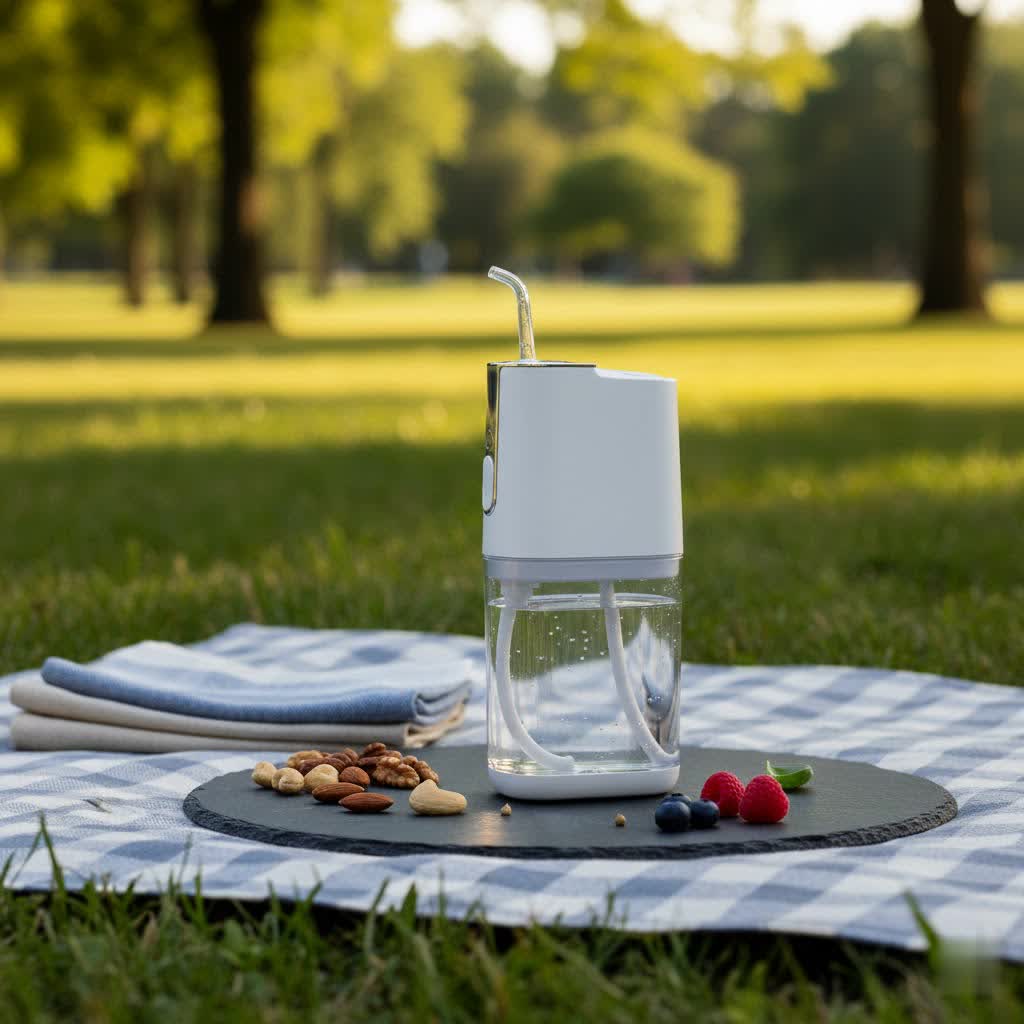
This comprehensive guide will walk you through the world of water flossers, from their fundamental operation to the diverse types available. We will explore the key features to consider when making a purchase, highlight top-rated models, and provide practical advice on how to use and maintain your device for maximum effectiveness. Get ready to discover if a water flosser is the perfect addition to your oral hygiene arsenal.
What is a Water Flosser and How Does It Work?
A water flosser is a handheld device that uses a targeted stream of pressurized water to dislodge food particles, plaque, and bacteria from areas that a toothbrush might miss. Unlike string floss, which manually scrapes plaque, a water flosser cleans by hydro-pulsation. This method involves rapidly pulsating water, creating a combination of pressure and massage that effectively cleans teeth and stimulates gums.
The core principle involves a motor and pump that draws water from a reservoir and propels it through a thin nozzle. The pulsating water jet reaches deep between teeth and below the gumline, flushing out debris and disrupting bacterial biofilm. This action is not only highly effective but often perceived as gentler and more comfortable than traditional flossing, making it an excellent option for those with sensitive gums, orthodontic appliances like braces, or dental work such as implants and crowns. The continuous flow of water ensures a thorough rinse, leaving your mouth feeling remarkably clean and refreshed.
Types of Water Flossers
Water flossers primarily come in two main types: countertop and cordless. Each offers distinct advantages and caters to different lifestyles and needs.
Countertop Water Flosser
Countertop models are typically larger units designed to sit on your bathroom counter, plugged into an electrical outlet.
- Pros:
- Larger Reservoir: Often boast a generous water tank, allowing for a complete flossing session without needing to refill.
- More Pressure Settings: Generally offer a wider range of pressure adjustments, sometimes up to 10 settings, providing greater customization for different sensitivities and cleaning needs.
- More Powerful: Tend to have stronger motors and consistent water pressure, delivering a deep clean.
- Variety of Tips: Usually come with multiple specialized tips for various dental concerns.
- Cons:
- Less Portable: Their size and need for an outlet make them less suitable for travel.
- Takes Up Counter Space: Requires dedicated space on your bathroom vanity.
- Corded: The cord can sometimes be inconvenient.
|
Our Picks for the Best Water Flosser in 2026
As an Amazon Associate I earn from qualifying purchases.
|
||
| Num | Product | Action |
|---|---|---|
| 1 | Waterpik Aquarius Water Flosser For Teeth Cleaning, Gums, Braces, Dental Care, Electric Power With 10 Settings, 7 Tips For Multiple Users And Needs, ADA Accepted, White WP-660, Packaging May Vary |

|
| 2 | COSLUS Portable Water Flosser for Teeth: 3 Modes & 6 Pressure Settings with Jet Mode Water Dental Pick for Orthodontic, Braces, Sensitive Gums, Compact for Travel, 300ML for Multiple Users, White C51 |
|
| 3 | Onlyone Rechargeable Cordless Water Flosser with Adjustable Water Pressure for Daily Oral Care, Power Dental Flosser for Home and Travel Use, Portable Oral Irrigator for Sensitive Gums and Braces Care |
|
| 4 | Benhip Water Flosser with Electric Toothbrush – 3 Sonic Toothbrush Modes & 5 Water Flossing Pressure – Fast Charging & IPX7 Waterproof – Portable Travel Case Included |
|
| 5 | Water Flosser, Water Dental Flosser Pick for Teeth, 300ML IPX7 Waterproof Oral Irrigator, 3 Modes 4 Replaceable Jet Tips, Professional Flossing Cleaning Picks for Home Travel Gums, Braces Care (Black) |
|
| 6 | COSLUS Water Dental Flosser Teeth Pick: Portable Cordless Oral Irrigator 300ML Rechargeable Travel Irrigation Cleaner IPX7 Waterproof Electric Flossing Machine for Teeth Cleaning C20(F5020E) |
|
| 7 | Bitvae Water Dental Flosser for Teeth, Cordless Water Teeth Cleaner Picks, 3 Modes 5 Intensities, IPX7 Waterproof, Rechargeable Water Dental Picks for Cleaning - Black |
|
| 8 | Waterpik Cordless Pulse Rechargeable Portable Water Flosser for Teeth, Gums, Braces Care and Travel with 2 Flossing Tips, Waterproof for Shower, ADA Accepted, WF-20 Blue, Packaging and Tips May Vary |
|
| 9 | COSLUS Portable Water Flosser for Teeth: 4 Modes & 5 Intensity Levels Professional Electric Dental Pick for Sensitive Gums, Braces & Orthodontic - Cordless for Travel Use, for Adults, BPA-Free, Pink |
|
| 10 | OILSAO Electric Toothbrush with Water Flosser Combo, All in One Sonic Toothbrush with 3 Modes & 5 Flossing Speeds, Rechargeable & Portable for Adult Teeth Cleaning and Plaque Removal,Pearl White |
|
Cordless/Portable Water Flosser
Cordless models are compact, battery-operated devices ideal for travel or smaller bathrooms.
- Pros:
- Portability: Lightweight and compact, making them excellent for travel or use in multiple bathrooms.
- Shower-Friendly: Many are waterproof, allowing for use in the shower, which can minimize mess.
- Space-Saving: Takes up minimal counter space, or can be easily stored away.
- Cons:
- Smaller Reservoir: Typically requires refills during a single flossing session.
- Fewer Pressure Settings: Often have 2-3 pressure settings, offering less customization than countertop models.
- Rechargeable Batteries: Requires regular charging, and battery life can vary.
Choosing between a countertop and a cordless model depends on your priorities. If you value consistent power, a large water supply, and numerous settings for at-home use, a countertop unit is likely your best bet. If portability, space-saving design, and the convenience of shower use are more important, a cordless water flosser will serve you well.
How to Choose a Good Water Flosser: A Comprehensive Buying Guide
Selecting the right water flosser can significantly impact your oral hygiene routine. Here are the key factors to consider to ensure you pick a device that meets your specific needs:
Water Pressure and Settings
The ability to adjust water pressure is crucial for comfort and effectiveness. Look for models offering multiple pressure settings, typically ranging from 10 PSI to 100+ PSI. Beginners should start with lower settings to avoid gum irritation and gradually increase pressure as their gums become accustomed to the sensation. Many good water flossers also include different modes, such as:
- Clean: A standard, steady stream for daily cleaning.
- Pulse: Pulsating action that massages gums and enhances plaque removal.
- Massage: A gentle, stimulating pulse for gum health.
- Deep Clean: Often a more intense or focused stream for targeted cleaning.
Reservoir Capacity
The size of the water reservoir dictates how long you can floss without refilling.
- Countertop models typically feature larger reservoirs (10-20 ounces) that can hold enough water for a full 90-second flossing session. This ensures an uninterrupted, thorough clean.
- Cordless models have smaller reservoirs (5-8 ounces) due to their compact design, often requiring one or more refills per session. Consider your patience for refilling when making your choice.
Nozzle Types
Water flossers come with various tips designed for specific oral health needs. Common types include:
- Classic Jet Tip: Standard tip for general cleaning.
- Orthodontic Tip: Designed with a brush to clean around braces and orthodontic appliances.
- Plaque Seeker Tip: Features three thin tufts of bristles to target plaque around implants, crowns, bridges, and veneers.
- Pik Pocket Tip: A soft rubber tip for gently delivering water into periodontal pockets.
- Tongue Cleaner: A spoon-shaped tip to remove bacteria from the tongue.
- Quad Stream Tip: Some Philips Sonicare models offer an X-shaped tip that separates water into four jets to cover more tooth surface area for a faster clean.
Ensure the model you choose offers the tips relevant to your dental needs, or that additional tips can be purchased.
Ease of Use and Design
A good water flosser should be intuitive to operate. Consider:
- Ergonomics: Is the handle comfortable to grip?
- Filling and Cleaning: Is the reservoir easy to detach, fill, and clean? Clear reservoirs allow you to monitor water levels and spot any buildup.
- Controls: Are the buttons for power, mode, and pressure settings easily accessible and clear?
- Overall Footprint: How much space does it take on your counter or in your bag?
Noise Level
Some water flossers can be quite noisy, which might be a concern if you share a bathroom or floss early in the morning. Brands like Philips Sonicare are often noted for their quieter operation. If noise is a factor for you, look for reviews that specifically mention the device’s sound level.
Size and Weight
For frequent travelers or those with limited bathroom space, a compact and lightweight cordless model is preferable. Countertop units, while bulkier, often offer more features and a larger capacity, making them a better fit for a permanent spot in a spacious bathroom.
Battery Life (for Cordless Models)
For cordless units, a strong battery life is essential for convenience. Many cordless models offer weeks of use on a single charge. Look for features like a battery life indicator and quick charging times.
Price and Value
Water flossers range from budget-friendly options (around $30-$50) to premium models with advanced features ($100-$200+). Consider the features you truly need versus those that are “nice to have” to find the best value for your investment. Remember that investing in a quality water flosser can be a long-term investment in your oral health.
ADA Seal of Acceptance and Brand Reputation
The American Dental Association (ADA) Seal of Acceptance signifies that a product has been scientifically evaluated for safety and efficacy. Currently, Waterpik and Philips are two brands that carry the ADA Seal for many of their water flossers. Opting for a product with this seal or from a reputable brand like Aquasonic, Quip, H2ofloss, or Oral-B can provide peace of mind regarding quality and performance.
Top Water Flosser Models: A Comparative Look
Several water flossers consistently receive high marks for their performance and features. Here’s a brief look at some popular and highly-rated models:
- Waterpik Aquarius Water Flosser: Often considered the “best overall” countertop model, praised for its user-friendly design, 10 pressure settings, and variety of tips. It offers excellent customization and effective cleaning.
- Philips Sonicare Power Flosser 5000 / Cordless Power Flosser 3000: Known for powerful cleaning, quiet operation, and innovative Quad Stream tip that covers more tooth surface. The 5000 is a countertop model, while the 3000 offers cordless convenience.
- Aquasonic Aqua Flosser: Frequently highlighted as a top cordless option for its effectiveness, ease of use, and value. It’s often praised for its ability to remove gunk and leave teeth feeling clean.
- Waterpik Cordless Advanced 2.0 Water Flosser: A highly-rated portable option, known for its ergonomic and waterproof design, making it suitable for shower use and travel. It offers multiple pressure settings and good battery life.
- Quip Rechargeable Cordless Water Flosser: Appreciated for its minimalist design, effectiveness, and convenience. It’s a sleek option that performs well for daily use.
When comparing models, always refer to the specific features like reservoir capacity, number of pressure settings, included tips, and battery life (for cordless models) to see how they align with your personal preferences and dental needs.
How to Use Your Water Flosser Effectively
Using a water flosser correctly is key to maximizing its benefits. Follow these steps for an optimal cleaning experience:
-
Preparation:
- Fill the reservoir with lukewarm water. You can also add a small amount of mouthwash for an extra fresh feeling, but check your device’s instructions first.
- Select the appropriate nozzle tip and firmly insert it into the handle.
- Place the tip in your mouth, leaning over the sink to allow water to drain.
-
Using the Water Flosser:
- Start with the lowest pressure setting, especially if you’re new to water flossing or have sensitive gums. You can gradually increase the pressure once you’re comfortable.
- Turn on the device.
- Direct the water stream at a 90-degree angle to your gumline. Work your way around your mouth, focusing on the spaces between your teeth and along the gumline.
- Pause briefly between teeth, allowing the water to flush out debris.
- Clean both the front and back surfaces of your teeth.
- Aim for about a minute to two minutes of flossing to ensure a thorough clean. Many models have built-in timers.
-
Tips for Optimal Results:
- Close your lips slightly around the tip to prevent splashing, but allow water to flow into the sink.
- Follow a pattern: Start from the back molars and move systematically around your mouth (e.g., top outside, top inside, bottom outside, bottom inside) to ensure you don’t miss any areas.
- Don’t rush: Take your time to thoroughly clean each tooth and gumline.
- Adjust pressure: If you experience any discomfort, lower the pressure setting.
Cleaning and Maintenance
Regular cleaning and maintenance will prolong the life of your water flosser and ensure hygienic operation.
- Empty the Reservoir: After each use, empty any remaining water from the reservoir to prevent bacterial growth.
- Rinse: Rinse the reservoir with clean water. Some reservoirs are dishwasher-safe.
- Clean the Handle and Tip: Wipe down the handle and rinse the tip.
- Drying: Allow all parts to air dry before reassembling.
- Deep Clean (monthly): Periodically clean the internal components by running a solution of water and white vinegar (1:1 ratio) through the unit, followed by a rinse with plain water. This helps prevent mineral buildup.
- Replace Tips: Replace nozzle tips every three to six months, or sooner if they become worn or damaged.
The Dental Benefits of Water Flossing
Incorporating a water flosser into your daily routine offers numerous advantages for your oral health, extending beyond what traditional brushing alone can achieve.
Effective Plaque and Bacteria Removal
Water flossers are highly effective at dislodging plaque and food particles from hard-to-reach areas, including between teeth and beneath the gumline. The pulsating water stream helps to disrupt bacterial biofilms, significantly reducing the amount of harmful bacteria in your mouth. This thorough cleaning helps prevent the accumulation of plaque that can lead to various dental problems.
Prevention of Cavities and Gingivitis
By effectively removing plaque and bacteria, water flossers play a vital role in preventing common oral diseases. Reducing plaque buildup minimizes the risk of cavities forming on tooth surfaces. Furthermore, the gentle yet powerful action of water flossing can significantly reduce gingivitis, the early stage of gum disease characterized by inflammation and bleeding gums. Regular use helps keep your gums healthy and firm.
Improved Gum Health
The pulsating water not only cleans but also massages the gums, stimulating blood flow and promoting overall gum health. This gentle massage can lead to stronger, healthier gums, reducing sensitivity and susceptibility to inflammation.
Ideal for Specific Dental Conditions
Water flossers are particularly beneficial for individuals with:
- Braces: The water jet can easily navigate around wires and brackets to remove trapped food and plaque, a task often difficult with string floss.
- Dental Implants, Crowns, and Bridges: Specialized tips can clean around these dental restorations, helping to prevent peri-implantitis and other complications.
- Sensitive Gums or Periodontal Pockets: The adjustable pressure settings allow for a gentler clean, and specialized tips can target deep pockets more effectively and comfortably.
- Dexterity Issues: For individuals with arthritis or other conditions that make manual flossing challenging, a water flosser provides an easier and more comfortable alternative.
“Water flossers are a game-changer for many of my patients, especially those with orthodontics or periodontal concerns. They provide a level of clean and gum stimulation that complements brushing perfectly.” – Dr. Sarah Chen, Lead Dentist at Bright Smile Dental Clinic
Important Considerations and Tips
While a water flosser is a powerful tool for oral hygiene, it’s essential to understand its role and how to use it responsibly.
- Does Not Replace Brushing: A water flosser is an excellent supplement to brushing, but it is not a replacement. Always brush your teeth twice a day for two minutes with a fluoride toothpaste to remove plaque from tooth surfaces.
- Adjust Pressure Appropriately: Always start with the lowest pressure setting and gradually increase it as your gums adapt. Using excessively high pressure, especially initially, can cause discomfort or gum irritation. Your comfort is key to consistent use.
- Consult Your Dentist: If you have severe gum disease, recent oral surgery, or any specific dental concerns, consult your dentist or periodontist before incorporating a water flosser into your routine. They can offer personalized advice on pressure settings, tips, and frequency of use.
Conclusion
A good water flosser can be a transformative addition to your daily oral care, offering a superior clean and improved gum health beyond what brushing alone can achieve. By understanding the different types, key features like adjustable water pressure and reservoir capacity, and proper usage techniques, you can confidently choose a device that perfectly aligns with your dental needs and lifestyle. Investing in a quality water flosser means investing in a brighter smile and a healthier mouth.
Are you ready to experience the refreshing difference a water flosser can make in your oral hygiene routine?
Frequently Asked Questions
Can a water flosser replace string floss?
While highly effective, most dental professionals recommend using a water flosser as a complement to string floss, not a complete replacement. Water flossers excel at flushing out debris and bacteria, especially in hard-to-reach areas, but string floss provides a physical scraping action that can remove sticky plaque film from tooth surfaces and below the gumline. For optimal oral hygiene, consider using both.
How often should I use a water flosser?
For most individuals, using a water flosser once a day, typically before or after brushing, is sufficient to maintain good oral hygiene. However, if you have specific dental conditions like braces, periodontal disease, or frequent food trapping, your dentist might recommend using it more often. Consistency is more important than frequency for long-term benefits.
Is a water flosser good for sensitive gums?
Yes, a water flosser can be excellent for sensitive gums. Many models offer adjustable pressure settings, allowing you to start with a very gentle stream and gradually increase it as your gums become stronger. The pulsating water stream is often less abrasive and more comfortable than traditional string floss, which can sometimes cause irritation or bleeding in sensitive areas.
How do I clean my water flosser to prevent mold?
To prevent mold and mineral buildup, always empty and rinse the water reservoir after each use and allow it to air dry. Periodically, perform a deeper clean by running a solution of equal parts white vinegar and water through the unit, followed by a cycle of plain water to rinse it thoroughly. Disassemble and clean detachable parts regularly as per the manufacturer’s instructions.
What temperature water should I use in my water flosser?
Using lukewarm water is generally recommended for water flossing, as it is more comfortable and less likely to cause sensitivity than cold water. Extremely hot water should be avoided as it can damage the device or irritate oral tissues. Experiment to find the temperature that feels most pleasant for you.
